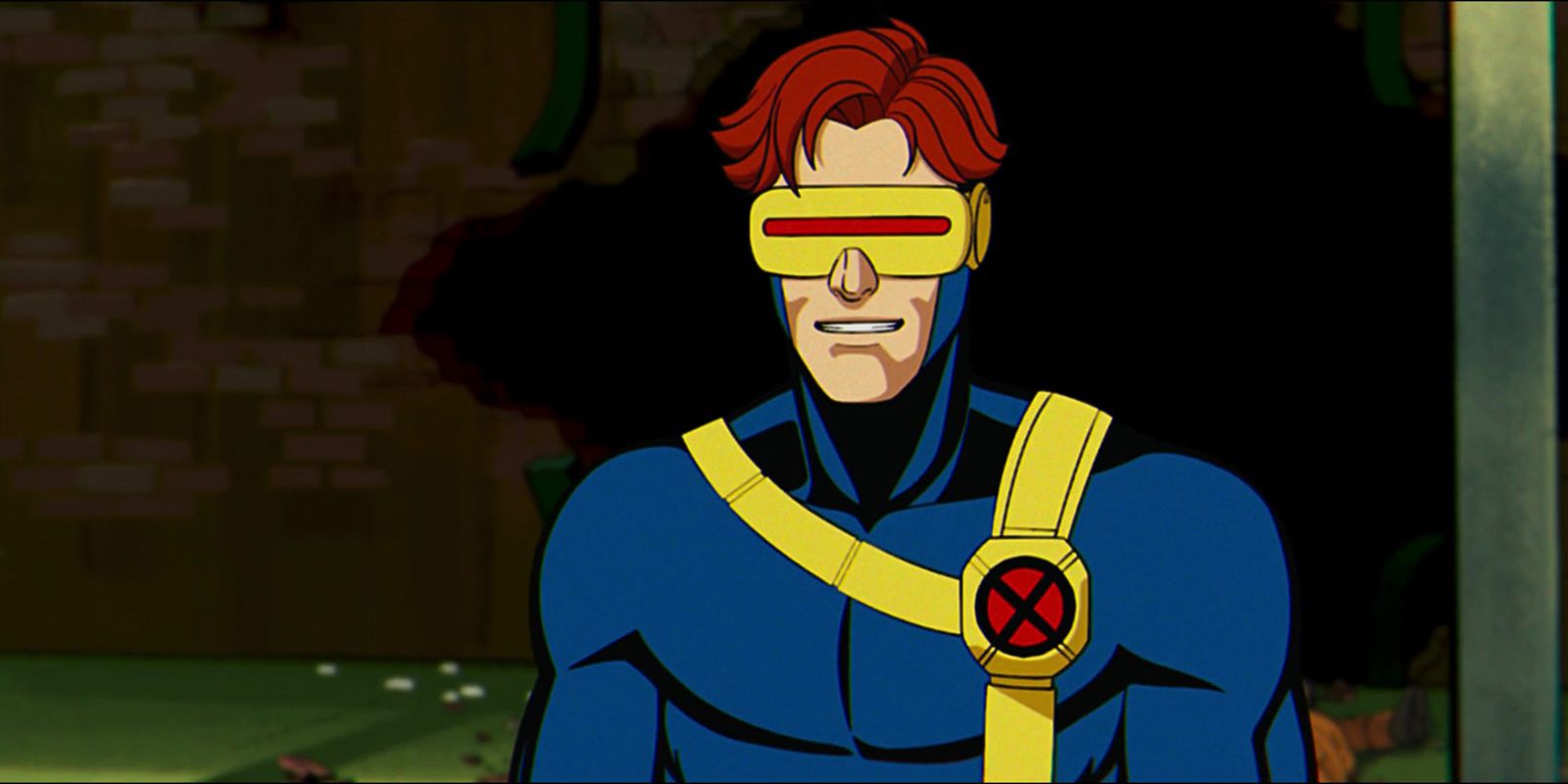
For years, being a Cyclops fan felt like a bit of a chore. You’d have to defend him against the "Wolverine is cooler" crowd or explain why he isn't just some uptight hall monitor in spandex. He was the guy who yelled "Jean!" every five minutes in the old show and got sidelined in the movies. Honestly, it was a rough era for Scott Summers.
Then X-Men 97 happened.
Suddenly, the guy who everyone thought was boring is arguably the most badass person on the screen. It wasn't just a glow-up; it was a total reclamation of what makes the leader of the X-Men actually tick. If you’ve only seen the memes or the Fox movies, you’ve basically been lied to about who Scott Summers is.
The "Boy Scout" Myth and Tactical Genius
People love to call Cyclops a boy scout like it's an insult. In X-Men 97 Cyclops, we finally see that his "rigidity" isn't because he’s a narc—it’s because he’s a tactical genius who has to account for everyone’s life while carrying a literal nuclear reactor in his skull.
The premiere episode, "To Me, My X-Men," did more for his reputation in five minutes than the last twenty years of media combined. Remember that scene where he uses his optic blasts to slide across the ground like a human railgun? Or how he uses the concussive force to stick a superhero landing without breaking every bone in his body? That’s the Scott Summers comic fans have been talking about for decades.
It’s not heat vision. Let’s get that straight.
It’s concussive force. It’s a punch from the "punch dimension" (yes, that is the actual lore). He isn't burning things; he's hitting them with the weight of a freight train. Ray Chase, the new voice actor, brings this weighted, weary authority to the role that makes you realize Scott isn't just following orders—he’s holding the world together on his shoulders.
He Finally Stopped Being a "Cuck"
Let's talk about the Jean Grey of it all. For the longest time, Scott was portrayed as the loser in a love triangle with Logan. X-Men 97 flipped the script. While Logan is pining in the corner like a sad puppy, Scott is dealing with actual, heavy-duty adult problems.
The show tackled the "Inferno" storyline—sorta. In the comics, Scott famously abandoned his wife Madelyne Pryor (who turned out to be a clone) the second the real Jean Grey came back to life. It was a character assassination that fans never really forgot.
But the show fixed it.
When the "Two Jeans" crisis hit, Scott didn't just bolt. He was devastated. He was confused. Most importantly, he fought for his son, Nathan. When he had to send baby Nathan into the future with Bishop to save his life from the techno-organic virus, you felt that. It wasn't just superhero melodrama; it was a father losing his kid. It made him human. It made him relatable in a way that "perfect leader" Scott never was.
Why the Combat Evolution Matters
- Momentum Control: He uses his blasts to steer himself in mid-air.
- Trigonometry: Scott doesn't just aim; he calculates angles in his head instantly.
- Restraint: We see what happens when he takes the visor off. He can level a mountain, but he chooses to use a needle-thin beam to disable a gun. That takes insane mental discipline.
The Weight of the Visor
Being the leader of the X-Men when Professor X is gone isn't a promotion; it’s a nightmare. X-Men 97 Cyclops explores the friction between him and Magneto, and honestly, you kind of see Scott’s point. He’s spent his whole life being the "good soldier," and now he has to take orders from the guy who used to try to kill them every Saturday morning?
The show doesn't make him "cool" by making him more like Wolverine. It makes him cool by leaning into his competence. There’s a specific kind of swagger in a guy who can walk into a room of Omega-level mutants and be the one everyone listens to because they know his plan is the only one that keeps them alive.
He's not just "the guy with the eyes." He's the guy with the plan.
Actionable Insights for Fans and Creators
If you're looking to understand why this version of the character works so well, or if you're a writer trying to fix a "boring" lead, look at these specific choices:
- Competence is Charisma: You don't need a character to be "edgy" if they are the best at what they do. Seeing Scott use his environment—bouncing blasts off shields and floors—shows his intelligence without him having to say "I am smart."
- Moral Stakes over Romance: The drama with Madelyne Pryor worked because it was about responsibility and grief, not just who is dating whom.
- Visual Storytelling: Use the power in creative ways. The "slide" and the "propulsion" moves made Cyclops dynamic. He wasn't just a turret anymore; he was a combatant.
If you haven't watched the first season yet, pay attention to how Scott's voice changes when he's talking to the team versus when he's talking to Jean. The layers are there. He’s a guy who is terrified of his own power but forced to be the strongest person in the room.
The next step is simple: go back and re-watch the Genosha episodes. Look at how Scott reacts to the tragedy. He isn't just sad; he's focused. That focus is exactly why he’s the heartbeat of the X-Men, and why we’re finally giving him the respect he deserves.