In 1997, the sci-fi world shifted.
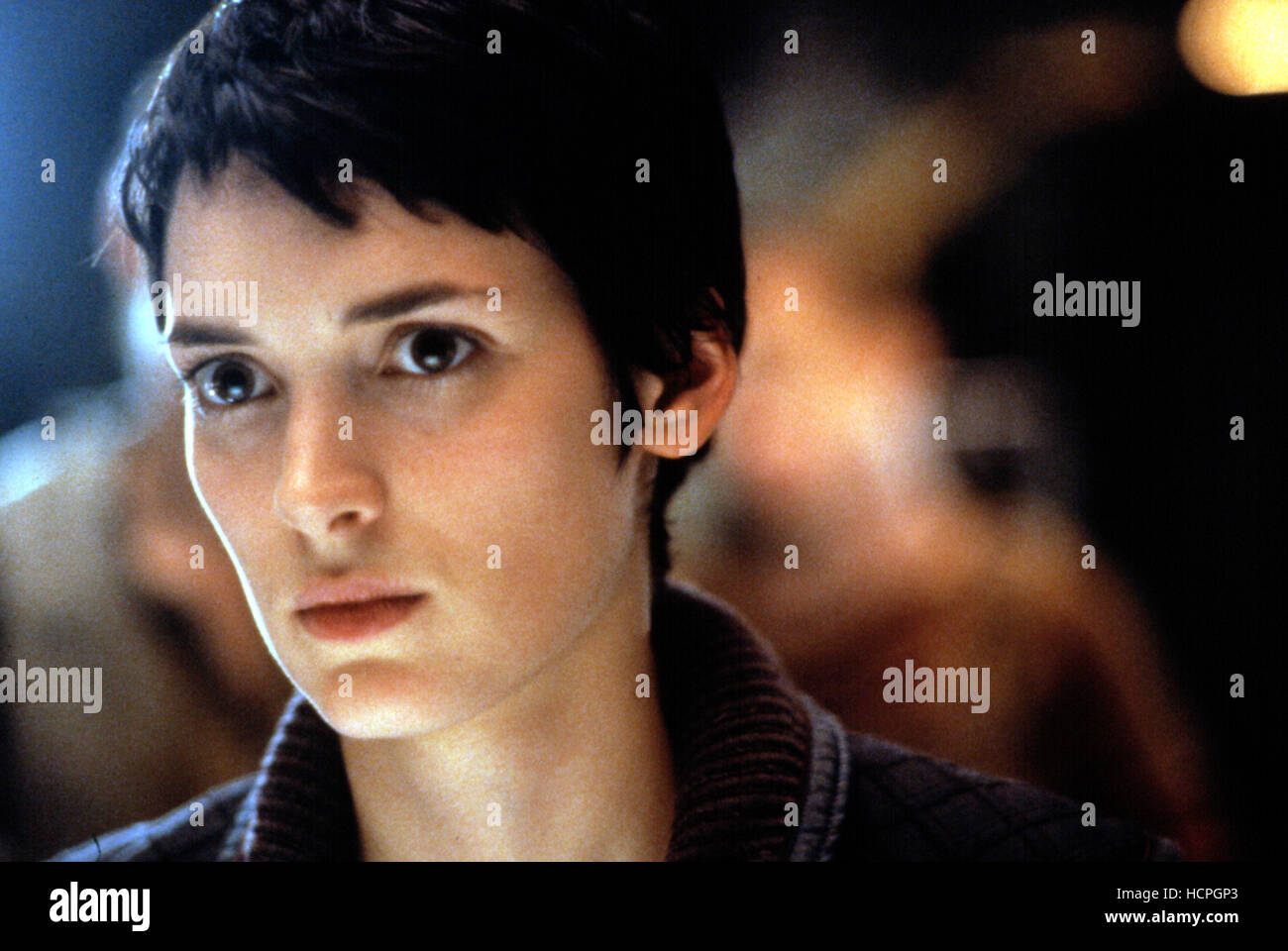
Winona Ryder—the indie darling of Heathers and the period-piece powerhouse of The Age of Innocence—stepped onto a grimy, slime-coated spaceship. Most fans expected her to be the "new Ripley." A passing of the torch. Instead, she gave us Annalee Call, a character so strange and empathetic that she still sparks debates in Reddit threads and film essays decades later.
Honestly, her casting was a huge gamble. At the time, Ryder was the "it" girl, but she wasn't an action star. She didn't have the 1980s bicep-flexing energy of Sigourney Weaver. But that was exactly why it worked—or, depending on who you ask, why it was the weirdest choice in the franchise's history.
Why Winona Ryder Took the Role Without Reading a Script
Believe it or not, Winona Ryder didn't even look at the script before saying yes.
Most actors at her level would demand 15 revisions and a guarantee of top billing. Winona? She was basically just a massive fan-girl. She had seen the original Alien at least fifteen times. For her, Ripley wasn't just a character; she was a revolutionary figure—the first woman she'd ever seen lead a sci-fi movie and survive.
When the producers approached her, they didn't have to sell her on the plot. She reportedly told them she didn't care if she died in the first five minutes. She just wanted to be able to tell her brothers that she was in an Alien movie.
There's something incredibly human about that. You've got this Oscar-nominated actress joining a massive blockbuster franchise not for the paycheck (though she reportedly made millions), but for the bragging rights at Thanksgiving dinner.
The Near-Death Experience on Set
Filming Winona Ryder Alien Resurrection wasn't exactly a walk in the park. Or a float in a pool.
If you remember the iconic underwater sequence—where the crew is hunted by swimming Xenomorphs—you know how claustrophobic it feels. For Winona, that wasn't acting. It was a nightmare. When she was twelve years old, she had a near-drowning experience that left her with a lifelong phobia of being underwater.
She had a full-blown anxiety attack during the shoot.
The production had to build a massive tank at Fox Studios, and the crew spent three weeks submerged. While Ron Perlman was almost knocking himself out hitting his head on the set, Winona was battling literal trauma. Looking back at those scenes, you can see a specific kind of wide-eyed terror in her character, Annalee Call. It’s hard to tell where the acting ends and the real-life panic begins.
The Twist Everyone Saw Coming (But No One Liked)
Let’s talk about the big "reveal."
Halfway through the movie, Call is shot. We expect blood; we get "milk." She's an Auton—a second-generation synthetic designed by other androids.
This was Joss Whedon’s big idea. He wanted a robot that was more "human" than the actual humans. While the military scientists were playing God with Ripley’s DNA, Call was the one with the moral compass. She was disgusted by her own mechanical nature, which added a layer of self-loathing that Winona played perfectly.
- The Problem: Critics at the time thought she was too "perky" or "mousy" compared to the cold brilliance of Ian Holm’s Ash or Lance Henriksen’s Bishop.
- The Reality: That was the whole point. Call wasn't built by a corporation to be a tool. She was built to be a person.
Jean-Pierre Jeunet, the director, actually loved her instinctual style. He famously said she worked like a child—no rehearsals, just pure, primal concentration the moment the camera started rolling.
The Mismatch: Joss Whedon vs. Jean-Pierre Jeunet
If the movie feels like two different films fighting for dominance, that’s because it is.
Joss Whedon wrote a witty, fast-paced script that felt a bit like Buffy the Vampire Slayer in space. He actually wanted the third act to take place on Earth, in a futuristic forest or a junkyard.
Then you had Jeunet. A French visionary who didn't speak a lick of English when he started. He wanted "grotesquerie." He wanted sweat, slime, and weird sexual tension between Ripley and the Newborn.
Whedon later basically disowned the film. He said they did everything wrong—the casting, the design, the score. He even called it "unwatchable." Jeunet fired back years later, calling Whedon a filmmaker for "American geeks" and "morons."
It’s a miracle the movie exists at all. But through all that chaos, the chemistry between Sigourney Weaver and Winona Ryder held the center. Weaver actually became a mentor to her on set, and that bond is visible on screen. They weren't just two leads; they were two survivors in a franchise that usually kills everyone off.
The Financial Reality of the "Flop"
People love to call Alien Resurrection a failure.
Is it? Not really.
It grossed over $160 million worldwide. Sure, it didn't set the domestic box office on fire, but it was a massive hit in France (unsurprisingly) and remains one of Winona’s highest-grossing projects to this day.
It also marked a turning point in her career. After this, she moved toward more experimental roles and eventually took a hiatus before her massive comeback in Stranger Things. In a weird way, Joyce Byers feels like the spiritual successor to Annalee Call—another "outsider" who sees the truth when everyone else thinks she’s crazy.
Actionable Insights for Fans and Collectors
If you’re revisiting the film or looking to dive deeper into Winona’s role, here is how to get the most out of it:
- Watch the "One Step Beyond" Documentary: This 2003 making-of film is the holy grail for fans. It features Winona talking candidly about her "fan-girl" status and the difficulties of the water tank scenes.
- Look for the Novelization: The book version of the movie includes a detail that explains why Call knew so much about Ripley. Apparently, she had read Space Beast, a book written by Robert Morse (the survivor of the third movie).
- Contrast the Performances: Watch Beetlejuice and then Alien Resurrection back-to-back. You’ll see how she took that "goth outsider" energy from her early career and hardened it into something more cynical for the 24th century.
The legacy of Winona Ryder Alien Resurrection isn't about whether it's the "best" Alien movie. It’s not. But it’s the most daring. It’s a movie that took a Hollywood sweetheart and threw her into a nihilistic, slime-covered nightmare, and she more than held her own.
To truly understand the film's cult status, pay close attention to the scene in the chapel where Call connects to the ship's computer. It’s the moment the movie stops being an action flick and starts being a character study about what it means to have a soul when you're made of wires and white liquid.