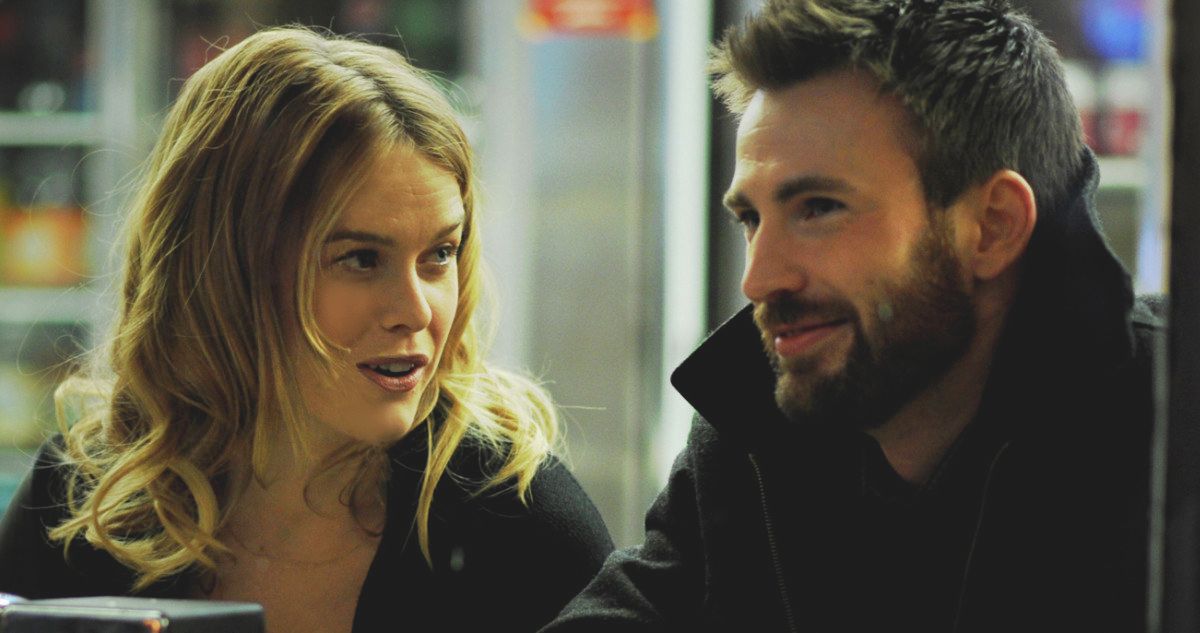
Chris Evans spent years punching villains in the face as Captain America, but then he decided to go behind the camera. He directed a movie. Not a blockbuster, either. Just two people walking around New York City at night. That movie is Before We Go, and honestly, it’s one of those films that people either totally miss or end up obsessing over because it feels so incredibly real.
It’s 1:30 AM in Grand Central Terminal. A woman, Brooke (Alice Eve), is sprinting to catch the last train to Boston. She drops her phone. It shatters. She misses the train. Enter Nick (Evans), a busker playing the trumpet who sees the whole thing go down. What follows isn’t a high-speed chase or a world-ending threat. It’s just a long, cold, complicated night in Manhattan.
The Low-Budget Magic of Chris Evans’ Directorial Debut
Most actors want their first directing gig to be some massive statement. Evans went the opposite way. Before We Go (originally titled 1:30 Train) is stripped back. It’s lean. It’s basically just dialogue and vibes. Some critics at the time—back in 2014 when it premiered at TIFF—complained that it felt too much like the Before Sunrise trilogy. They weren't entirely wrong, but that’s not a bad thing. Richard Linklater’s influence is all over this, but Evans adds a specific kind of American cynicism that makes it stand out.
You’ve got two people who are both stuck in their lives for very different reasons. Brooke is dealing with a marriage that is essentially a ticking time bomb. Nick is haunted by an ex-girlfriend and a career that isn’t going where he thought it would. They aren't "manic pixie dream" characters. They’re kind of a mess.
What People Get Wrong About the Plot
A lot of folks go into Before We Go expecting a standard rom-com. It’s not. If you’re looking for a scene where they realize they’re soulmates and run off into the sunset, you’re going to be disappointed. The movie is much more interested in the "sliding doors" moments of life. It’s about how one conversation with a stranger can act as a catalyst for a choice you were already supposed to make.
Think about the stolen purse subplot. It’s almost a MacGuffin. It gives them a reason to move through the city—hitting up dive bars and shady psychics—but the real meat is the conversation. Evans uses long takes. The camera follows them through the streets, capturing that weird, hazy energy of New York after the bars close but before the commuters wake up. It feels tactile. You can almost feel the chill coming off the screen.
The Nuance of the Ending (No Spoilers, But...)
Let’s talk about that ending. Without giving away the final frame, it’s remarkably mature. In a lesser movie, the writers would have forced a neat resolution. But Before We Go respects the characters enough to let them remain in their complicated reality. It acknowledges that you can’t fix a broken life in six hours.
Brooke’s dilemma is particularly heavy. She has a choice to make regarding her husband, and the movie doesn't make him a cartoon villain to make her choice easier. That’s rare. Usually, the "other guy" is a jerk so we can root for the leads to get together. Here? It’s gray. It’s murky. It’s life.
Why This Movie Still Matters Today
In an era of CGI and multiverse fatigue, there is something deeply refreshing about watching two actors just talk. The chemistry between Alice Eve and Chris Evans is subtle. It’s not explosive; it’s a slow burn of mutual recognition. They’re both playing people who are trying very hard to pretend they’re okay.
- The Soundtrack: The music is understated, mostly leaning into that late-night jazz aesthetic that fits Nick’s character.
- The Cinematography: John Guleserian, who also did Like Crazy, knows how to shoot intimacy. He uses a lot of natural light and close-ups that feel almost intrusive.
- The Script: Ronald Bass (who wrote Rain Man) and Jen Smolka crafted dialogue that sounds like things people actually say when they’re tired and vulnerable.
Practical Insights for Fans of the Genre
If you liked Before We Go, you’re probably into "walk and talk" movies. It’s a specific niche.
Honestly, the best way to enjoy this film is to watch it late at night. It doesn’t work as a Sunday afternoon movie. It’s a midnight movie. It’s for when you’re feeling a little bit lost or wondering "what if" about someone from your past.
For those looking to dig deeper into this style of filmmaking:
Check out Blue Jay (2016) starring Mark Duplass and Sarah Paulson. It’s even more stripped back than this. Or look into In Search of a Midnight Kiss, which captures a similar New York (well, LA in that case) energy.
One thing to keep in mind: pay attention to the phone booth scene. It’s easily the best piece of acting in the movie. It’s a bit of magical realism in an otherwise grounded story, where they "call" their past selves. It sounds cheesy on paper. On screen, it’s heartbreaking. It perfectly captures that human desire to go back and warn ourselves about the mistakes we’re about to make.
How to Apply the Lessons of the Film
The movie isn't just entertainment; it’s a reminder that everyone is carrying something heavy. Nick and Brooke look like "normal" attractive people on the surface, but five minutes of talking reveals they’re both on the edge of a breakdown.
- Listen more than you talk. That’s how Nick and Brooke actually connect. They stop trying to impress each other and just start being honest.
- Acknowledge the "middle" ground. Not every problem has a right or wrong answer. Most of the time, you’re just choosing the least worst option.
- Accept that some people are just meant to be "season" friends. Some people enter your life for a single night to show you a mirror, and then they’re gone. That doesn't make the impact any less real.
If you haven’t seen it, find it on a streaming service. Turn the lights off. Put your phone away. Just let the atmosphere of a quiet, lonely New York City wash over you. It’s a reminder that even when things are falling apart, there’s a weird kind of beauty in the chaos of a single night.
To get the most out of your next viewing, pay close attention to the hotel stationery. There's a small detail written on the back of a piece of paper in the final act that changes the entire context of Brooke's journey home. It's a "blink and you'll miss it" moment that proves Evans knew exactly what kind of story he was telling: one where the most important things are often left unsaid.
Stop looking for a sequel. There won't be one. The brilliance of the story is that it exists in a vacuum—a temporary bubble of time that can't be recreated or extended. That's the whole point of the title. It's about the space between the "now" and the "what's next." Use that perspective the next time you feel stuck in your own life. Sometimes a change in scenery, even for a few hours, is all you need to find the courage to go where you're actually supposed to be.