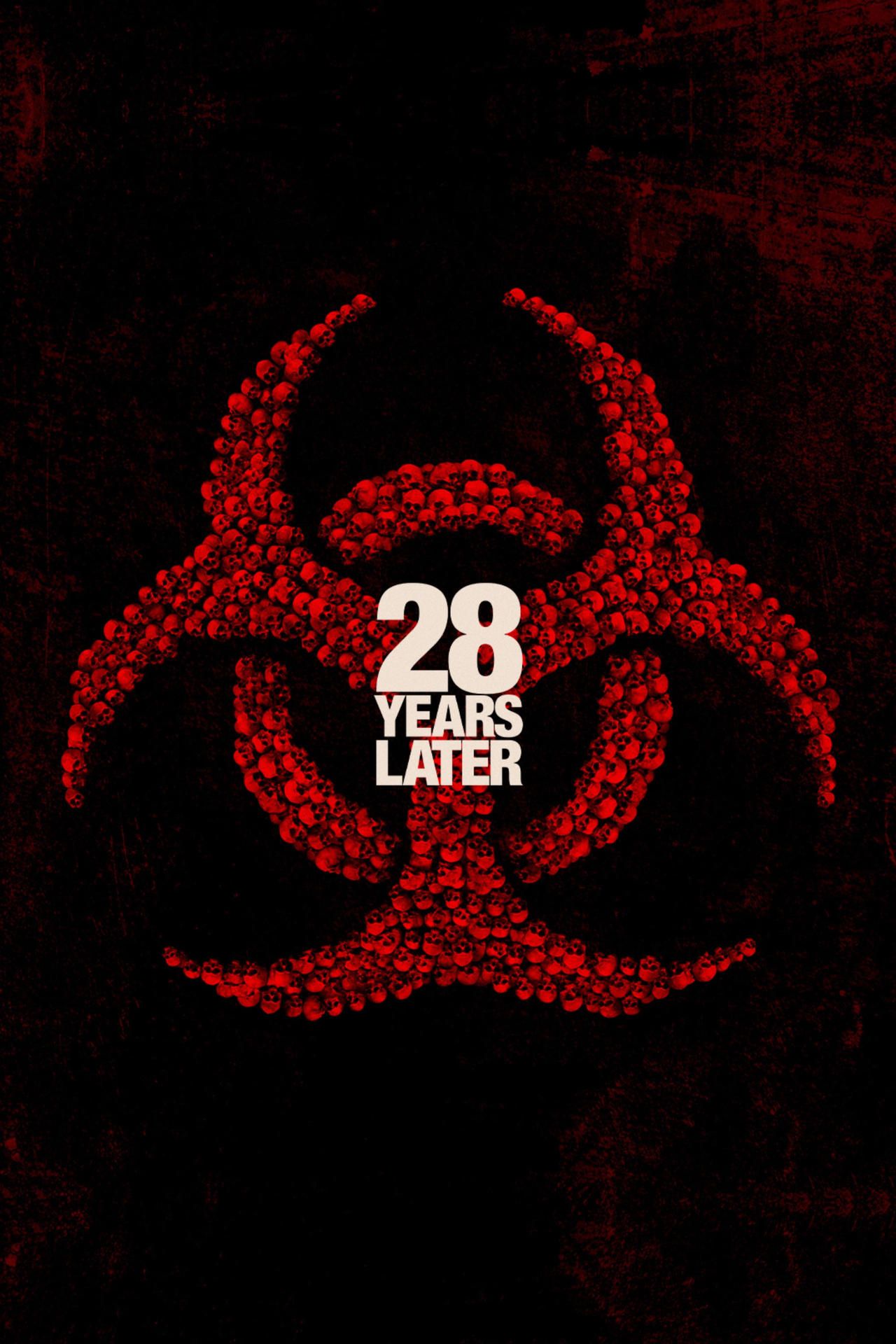
The zombies aren’t really zombies. If you’re a die-hard fan of the franchise, you already know that. They’re "Infected." They’re fast. They scream. And honestly, they changed the entire landscape of horror back in 2002. Now, after decades of rumors, false starts, and "will-they-won't-they" interviews, 28 Years Later is finally a reality. It isn’t just some cash-grab reboot either. We are looking at the return of the original dream team: Danny Boyle directing and Alex Garland writing.
That matters. It matters because the 2007 sequel, 28 Weeks Later, while fun and featuring that incredible opening scene with Robert Carlyle, didn't have that specific, gritty DNA that Garland and Boyle brought to the table. This new trilogy—yes, it's a planned trilogy—is aiming to reclaim the throne of the post-apocalyptic genre.
The Cillian Murphy Factor
Everyone wants to know if Jim is back. For a long time, it was the biggest question mark hanging over the production. Well, it’s confirmed. Cillian Murphy is returning for 28 Years Later, not just as an executive producer, but in front of the camera.
It’s a massive deal. For another angle on this story, refer to the recent coverage from Deadline.
Think about where Murphy is now compared to 2002. He’s an Oscar winner. He’s Oppenheimer. Bringing that level of gravitas back to a character who woke up in a deserted London hospital all those years ago creates a bridge that most sequels fail to build. It’s not just fan service; it’s narrative weight. The story picks up, as the title suggests, nearly three decades after the initial outbreak of the Rage Virus. Imagine the world. Not just a collapsed society, but a world that has potentially tried to rebuild and failed, or one that has evolved into something unrecognizable.
Why the Rage Virus Still Scares Us
Most zombie movies are about death. 28 Days Later was always about anger. That’s why it feels so modern even now. Garland’s script tapped into a very specific, social anxiety—the idea that our own fury is what destroys us.
In 28 Years Later, the stakes have shifted from immediate survival to long-term legacy. When you look at the casting choices—Jodie Comer, Aaron Taylor-Johnson, Ralph Fiennes—you see a lineup that belongs in a prestige drama, not a "slash-and-dash" horror flick. This suggests a pivot toward something more expansive. Reports indicate that the production filmed in locations like Northumberland, utilizing the rugged, isolated landscapes of Northern England to contrast the urban decay of the first film.
It's going to look different. Boyle is reportedly using specialized camera rigs, potentially echoing the experimental feel of the original, which was famously shot on Canon XL-1 digital cameras to give it that "newsreel" grit.
A New Kind of Production
The budget is bigger. Much bigger. We are talking about a $75 million price tag for the first installment. For context, the original was made for about $8 million. That jump in scale allows for a level of world-building we haven't seen in this universe. But there's a risk. Does more money mean less soul?
Boyle is a master of keeping things visceral.
He knows that the horror in this franchise comes from the silence. The empty streets. The sound of a single soda can rolling across the pavement. Nia DaCosta is reportedly lined up to direct the second part of the trilogy, which shows a commitment to diverse directorial voices under Garland’s overarching narrative umbrella. It’s a bold move to map out three films at once, but in an era of fragmented streaming content, a unified cinematic vision is kind of refreshing.
What to Expect from the Story
The plot is being kept under wraps tighter than a government bunker, but we can piece together the vibes. By the time 28 years have passed, the "Infected" might not even be the primary threat anymore. Nature has had time to reclaim the cities. The survivors aren't just "surviving" anymore; they are the new citizens of a broken earth.
- The evolution of the virus: Has the Rage Virus mutated?
- The generational gap: Characters played by Comer and Taylor-Johnson represent a generation that has never known a world without the Rage.
- The fate of the "Old World": Are there still pockets of government, or is it all tribal now?
Ralph Fiennes brings an element of "authority" to the cast. It’s easy to imagine him as a leader of a struggling community or perhaps a scientist still trying to untangle the mess started in that Cambridge lab decades ago. The tension won't just be "don't get bitten." It’ll be "who do we become when the old world is a distant memory?"
The Technical Edge: Why it Looks Different
Sony Pictures winning the rights to the film was a major turning point. They beat out several other studios and streamers because they committed to a theatrical release. This is huge. 28 Years Later is being built for the big screen.
There's something about the way Boyle uses color and light. He’s working with cinematographer Anthony Dod Mantle again. If you’ve seen Slumdog Millionaire or 127 Hours, you know their shorthand is legendary. They aren't going for the "gray and blue" washed-out look that every other post-apocalyptic show (looking at you, The Walking Dead) uses. Expect saturated colors, high-contrast shadows, and a sense of visual kineticism that makes the Infected feel like they are moving at 100 miles per hour even when the camera is still.
Navigating the Hype
It’s easy to get cynical about sequels. We’ve been burned before. But the involvement of the original creators changes the math. Alex Garland hasn't really missed when it comes to high-concept sci-fi and horror (Ex Machina, Annihilation, Civil War). His return to this world suggests he found a story worth telling, not just a paycheck.
The film is slated for a June 2025 release. That puts it right in the middle of the summer blockbuster season, a confident move for an R-rated horror-thriller. It’s positioning itself as the "event" movie for adults.
Actionable Next Steps for Fans
If you want to be ready for the premiere, there are a few things you should actually do rather than just watching the trailer on repeat.
- Track down the original comic books. "28 Days Later: The Aftermath" provides a lot of context on the spread of the virus that the movies skip. It fills in the gaps between the first and second films.
- Watch 'Civil War' (2024). If you want to understand Alex Garland’s current headspace regarding societal collapse and tension, this is essential viewing. It’s a spiritual sibling to what he might be doing with the new trilogy.
- Revisit the '28 Days Later' soundtrack. John Murphy’s "In the House - In a Heartbeat" is confirmed to be a cornerstone of the new films' musical identity. Listening to his progression as a composer will give you a feel for the tonal shift.
- Monitor the Northumberland filming locations. If you’re into film tourism, the areas around Rothbury and Holy Island are where a lot of the exterior "new world" shots were captured. They offer a glimpse into the isolated, rugged aesthetic of the film.
The return to this universe isn't just about nostalgia. It’s about seeing if the genre-defining masters can still make us run for our lives. With the original cast and crew back in the mix, 28 Years Later is the most significant horror event of the decade. This isn't just another zombie movie. It’s the return of the Rage.