If you grew up in the late eighties or early nineties, there’s a good chance a certain book cover haunted your peripheral vision in the school library. It usually featured a creepy, translucent girl looming over a graveyard or a pond. For many of us, Mary Downing Hahn’s Wait Till Helen Comes wasn't just another spooky story; it was our first introduction to the idea that ghosts aren't always rattling chains and shouting "boo." Sometimes, they're much more dangerous. They're lonely.
Honestly, looking back at it now, the book is way darker than most people remember. It’s basically a psychological thriller dressed up in middle-grade horror clothing.
The Plot That Scarred a Generation
The story follows Molly and Michael, two kids who are suddenly uprooted from their lives in Baltimore because their mom, Jean, marries a guy named Dave. This is your classic "blended family from hell" scenario. They move into a converted church—because of course it's a church—next to an overgrown, ancient graveyard.
But the real problem isn't the creepy house. It's Heather.
Heather is Dave’s seven-year-old daughter, and she is, to put it bluntly, a nightmare. She lies constantly to get Molly and Michael in trouble, she’s possessive of her dad, and she treats her new step-siblings like intruders. It’s intense. Then Heather finds a friend. A "friend" named Helen who lives in the graveyard.
The core of Wait Till Helen Comes revolves around the terrifying realization that Helen isn't just an imaginary friend. She’s the ghost of a girl who died in a fire a hundred years ago, and she has a habit of "luring" lonely children into the nearby pond to drown so they can be her friends forever.
Why It’s Not Just a Simple Ghost Story
Most ghost stories for kids are about solving a mystery to put a spirit to rest. While that happens here, the stakes feel much more personal. You've got:
- Real-world trauma: Heather isn't just "mean." She’s carrying a massive secret about how her own mother died in a fire.
- The "H.E.H." coincidence: Heather finds a grave with her exact initials. That's the kind of detail that sticks with a ten-year-old reader for life.
- Parental Gaslighting: One of the most frustrating parts of the book is how Dave and Jean refuse to believe Molly. They think she's just being "imaginative" or "resentful," which leaves the kids totally isolated.
The 2016 Movie vs. The 1986 Book
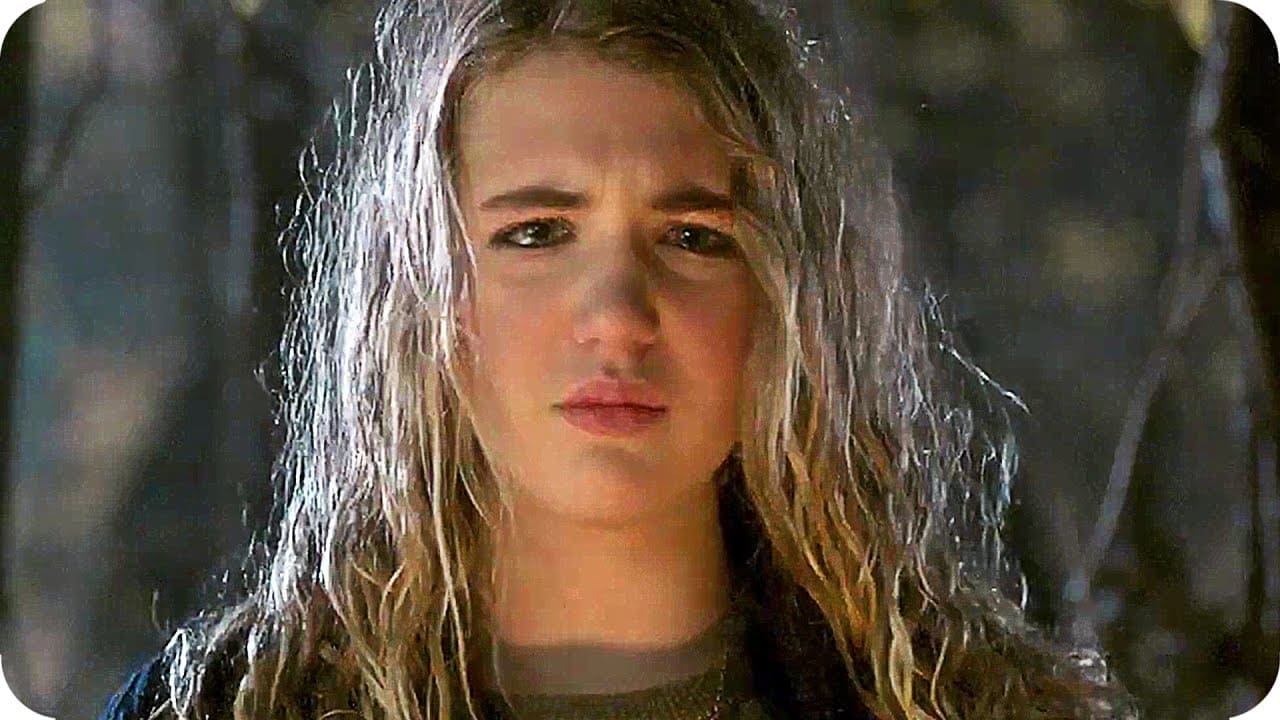
You might have missed it, but they actually made a movie version back in 2016 (sometimes titled Little Girl's Secret). It starred Maria Bello and the Nélisse sisters. It’s... okay. Kinda "horror-lite."
The film changes a few things to make it feel more "modern." In the book, the setting is contemporary to the 80s, but the movie leans into a slightly more atmospheric, timeless vibe. They also beefed up Molly’s "sixth sense." In Hahn’s novel, Molly is just a sensitive, observant girl who puts the pieces together. In the movie, she has almost supernatural visions, which sort of changes the dynamic from a "girl-saves-stepsister" story to a "chosen-one-vs-ghost" story.
Personally? The book is way scarier. There’s something about Hahn’s prose—the way she describes the "shimmer" of Helen in the ruins of the old Harper house—that a CGI ghost just can’t replicate.
Addressing the Controversies (Yes, Really)
Believe it or not, Wait Till Helen Comes has been the target of book bans and challenges over the years. Why? Because it deals with "spiritism" and "talking to the dead."
Back in the day, some parents were genuinely worried it would encourage kids to seek out ghosts. In 1986, a parent in New Hampshire even tried to get it pulled from school shelves because of its themes of suicide and death. It’s a bit of a stretch, but it speaks to how effectively Hahn tapped into primal fears. The book doesn't sugarcoat the fact that Helen is a malevolent force trying to kill a child.
The "True Story" Rumors
Is it based on a true story? Sorta, but not really.
Mary Downing Hahn has mentioned in interviews that the graveyard and the setting were inspired by real places she knew in Maryland. The "church-turned-house" was a real place she saw, and that sparked the "what if?" that led to the book. But there wasn't a real Helen Harper who lured kids into a pond. That’s all Hahn's dark imagination at work.
Actionable Insights for Fans and New Readers
If you're looking to revisit this classic or introduce it to a younger reader, here’s how to get the most out of the experience:
- Read the Graphic Novel: There’s a relatively recent graphic novel adaptation that is surprisingly good. The art captures that specific, gloomy Maryland atmosphere perfectly.
- Look for the "Deep, Dark, and Dangerous" Connection: If you liked Helen, Hahn’s other book Deep and Dark and Dangerous is basically a spiritual successor. It covers very similar themes of secrets, water, and vengeful spirits.
- Check the "Age Appropriateness": While it’s labeled for ages 9-12, know your kid. If they're sensitive to themes of parental death or fire, maybe pre-read it. It’s heavier than Goosebumps.
- Don't skip the "Author's Note": In some editions, Hahn talks about her inspiration. It adds a nice layer of reality to the fiction.
Wait Till Helen Comes holds up because it’s not just about a ghost. It’s about the guilt we carry and how hard it is to build a family when everyone is holding onto the past. It's a heavy book, but that's why we still talk about it forty years later.
If you want to dive deeper into Hahn's world, your next step should be checking out the Texas Bluebonnet Award archives—this book won in 1989, and the other winners from that era are a goldmine for anyone looking for that specific "vintage spooky" vibe.