It was late 2017 when the news hit like a lead weight: Daniel Day-Lewis was done. The man with three Best Actor Oscars—the only person to ever pull that off—was hanging up his shears. His final film, Phantom Thread, hadn't even hit theaters yet. People were confused. They were shocked. Was this just another one of his "breaks," like that time he spent years making handmade shoes in Florence?
Honestly, it felt different this time.
Day-Lewis even put out a formal statement through his representative. He’s usually incredibly private, so making a public declaration felt like he was trying to bind his own hands. He later admitted to W Magazine that he didn't want to get "sucked back into another project." He needed to draw a line.
But what was it about Phantom Thread that pushed him over the edge? More reporting by E! News explores related perspectives on this issue.
The Haunted House of Woodcock
Working with director Paul Thomas Anderson (PTA) isn't exactly a walk in the park. They had already made There Will Be Blood, which is basically a two-hour masterclass in intensity. When they reunited for Phantom Thread, they didn't have a finished script. They sat at a kitchen table and built the story of Reynolds Woodcock together.
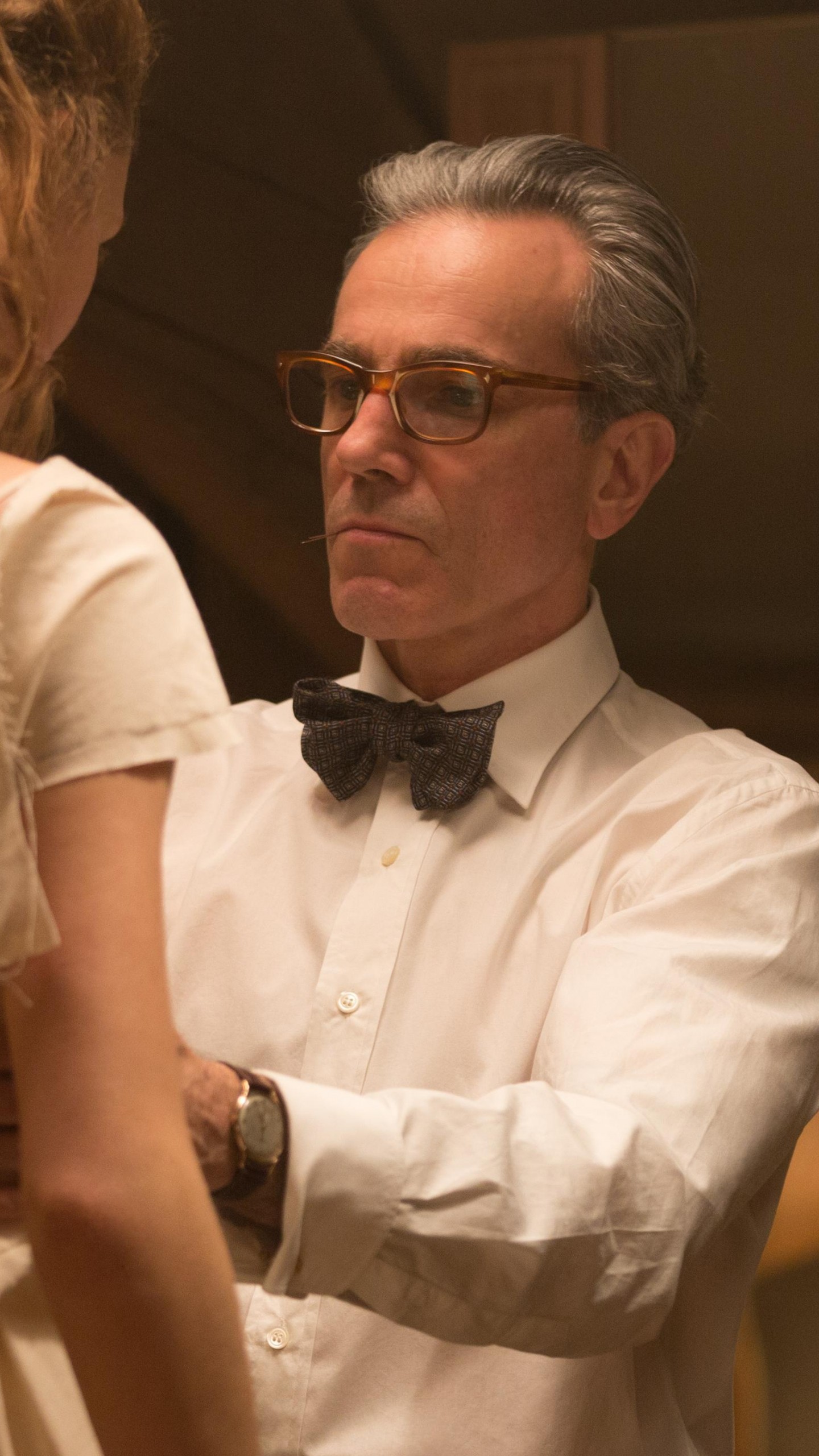
Woodcock is a monster of a character. He’s a high-fashion dressmaker in 1950s London who is so obsessed with his routine that a loud breakfast can ruin his entire week. Day-Lewis didn't just play him; he became him. This is a guy who spent a year apprenticing under Marc Happel, the Director of Costumes at the New York City Ballet. He learned to drape, cut, and sew so well that he actually recreated a complex Balenciaga dress from scratch.
He used his wife, Rebecca Miller, as the model. That's dedication.
The production itself was claustrophobic. They filmed in a real Georgian townhouse in London's Fitzroy Square. No sprawling sets. No trailers. The crew was literally on top of each other. Day-Lewis described it as a "termite nest." Living in that environment while staying in the headspace of a man as "fastidious" and "exacting" as Woodcock started to take a toll.
By the time they finished, a "sense of sadness" had settled over him and Anderson. They stopped laughing. They were overwhelmed.
Breaking the Method
There's a famous story from the set involving Vicky Krieps, who played Alma. She was relatively unknown at the time. She was told not to look at Daniel or talk to him outside of their scenes. The "screen of whispers" was everywhere.
But Krieps isn't a pushover.
One day, she got tired of the distance. She walked right up to his dressing room and knocked. People were terrified for her. Day-Lewis opened the door, stayed in character, and said, "Alma!" They ended up having tea and talking about Virginia Woolf. It was a rare crack in the Method armor, but even that didn't stop the "hollowed out" feeling he had by the end of the shoot.
Why He Couldn't Watch the Movie
Daniel Day-Lewis still hasn't seen Phantom Thread. Or at least, he hadn't for years.
He told the press that not wanting to see the film was directly connected to his decision to stop acting. The sadness he felt during the production stayed with him. He didn't want to revisit it. Usually, an actor finishes a role and moves on, but Woodcock got his hooks in.
Maybe it’s because the character is so close to the bone. Woodcock is an artist who struggles to balance his creative obsession with a "normal" life. Sound familiar? It’s basically a mirror of Day-Lewis’s own career.
The 2025 Return (The Twist Nobody Expected)
For nearly eight years, the world believed Phantom Thread was the end. Then, in late 2024 and early 2025, the impossible happened. Photos surfaced of Daniel Day-Lewis on a motorcycle. He was filming a new movie called Anemone.
The director? His son, Ronan Day-Lewis.
It turns out, Daniel didn't hate acting; he hated the "paraphernalia" of the big movie business. He was at a "low ebb" after Phantom Thread. He felt he had nothing left to offer. But working with his son lit the furnace again. He even co-wrote the script, which is a first for him.
He’s back, but on his own terms.
What You Can Learn from the Woodcock Era
If you’re a fan of Phantom Thread or just curious about how the greatest actor of his generation works, there are a few things to keep in mind:
- Research is everything: If you want to understand the movie, look up Cristóbal Balenciaga. Woodcock is heavily inspired by his private, perfectionist nature.
- Watch the background: Mark Bridges won an Oscar for the costumes. Every stitch you see on screen was vetted by Day-Lewis himself while he was in character.
- Listen to the score: Jonny Greenwood’s music isn't just background noise; it’s the heartbeat of the film. It captures that "sadness" Day-Lewis kept talking about.
If you haven't revisited the film lately, it's worth a watch, especially knowing it was almost the final chapter of a legendary career. Just try not to make too much noise while you're eating your toast.
Next Steps for Film Buffs
To get the full experience of the Daniel Day-Lewis process, you should track down the W Magazine interview from November 2017. It’s the most honest he’s ever been about the "compulsion" to quit. After that, go back and watch the "breakfast scenes" in Phantom Thread again. Knowing that Day-Lewis was actually proficient enough to sew those garments adds a layer of reality that most modern movies just can't touch.