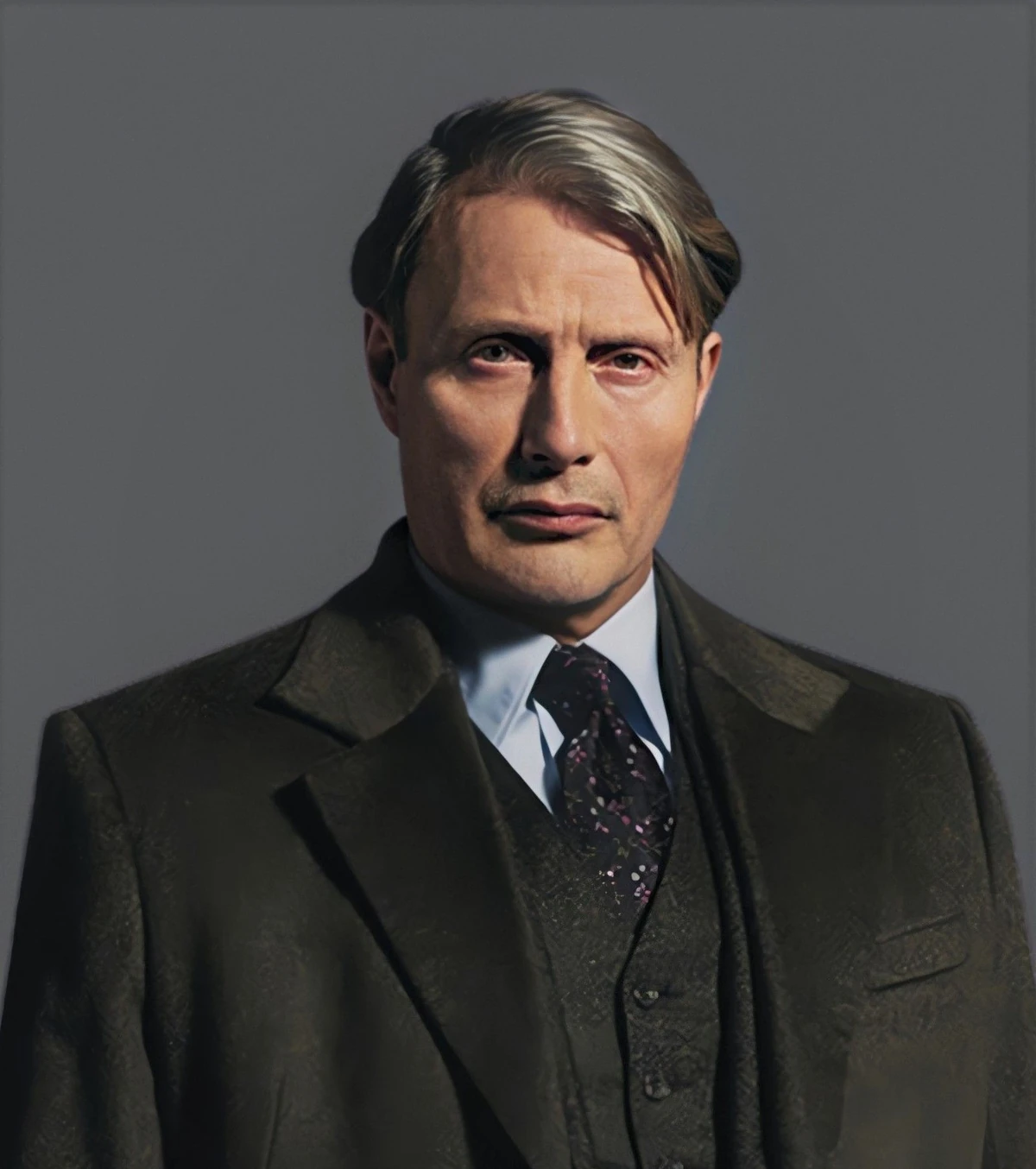
He wasn't always a name mentioned in hushed tones or a face on a "Wanted" poster. Long before Voldemort started splitting his soul into pieces, there was Gellert Grindelwald. Honestly, if you only know him from a quick mention on a Chocolate Frog card, you're missing the most intense part of wizarding history.
He was brilliant. He was charming. He was also completely terrifying.
Most people get him mixed up with Voldemort, but they weren't the same at all. While Voldemort was obsessed with blood purity and living forever, Grindelwald had a "cause." He didn't just want to kill people for the sake of it; he wanted to change the world. He wanted wizards to stop hiding. He thought it was fundamentally wrong that people with magical powers had to skulk in the shadows while Muggles ran everything.
The Early Days at Durmstrang
Grindelwald started out at Durmstrang Institute. It's a school known for being okay with the Dark Arts, but even they couldn't handle him. Think about that. A school that basically teaches Dark Magic expelled him because his "experiments" were too twisted. He was sixteen.
After getting kicked out, he ended up in Godric’s Hollow. Why? Because he was obsessed with the Deathly Hallows. He wasn't just looking for a cool wand; he wanted the whole set—the Elder Wand, the Resurrection Stone, and the Invisibility Cloak. He believed they would make him the "Master of Death."
That Summer With Dumbledore
This is where things get really complicated. In 1899, Grindelwald met a young Albus Dumbledore. You've probably heard they were friends, but it was way deeper than that. They were equals. Two of the most powerful wizards to ever live, sitting in a garden, planning a revolution.
Dumbledore was actually in love with him.
They spent two months together. Just two months! But in that time, they cooked up the phrase "For the Greater Good." It sounds nice, right? The idea was that wizards should rule over Muggles—not to be mean, but to "protect" them. Dumbledore eventually realized how messed up that was, but Grindelwald took that slogan and ran with it for the next forty years.
Everything fell apart during a three-way duel between Albus, his brother Aberforth, and Grindelwald. It was messy. Someone’s spell hit Albus’s sister, Ariana, and she died. Grindelwald didn't stick around to help. He fled the country immediately. That was the end of their friendship and the start of a global war.
Who Was Gellert Grindelwald on the Global Stage?
By the 1920s, he was the most dangerous man alive. He wasn't just hiding in a cave; he was moving through the world like a politician. He used a fake identity—Percival Graves—to infiltrate the American wizarding government (MACUSA). He was looking for an Obscurus, a type of dark, repressed magic.
Basically, he was a master manipulator. He didn't just use a wand; he used words. He could convince people that his side was the "right" side. He built a massive prison called Nurmengard to hold his enemies, and he carved his favorite slogan right over the door. Talk about irony.
The Duel of 1945
For years, Dumbledore avoided him. He was scared. Not of Grindelwald’s power, but of the truth. He didn't want to know which of them had actually killed Ariana. But by 1945, the wizarding world was screaming for help.
The duel between Dumbledore and Grindelwald is legendary. People still talk about it as the greatest magical fight in history. Dumbledore won, took the Elder Wand from him, and locked Grindelwald away in his own prison.
A Strange Kind of Redemption?
Grindelwald sat in a cell in Nurmengard for over fifty years. He went from being a golden-haired revolutionary to a skeletal old man with no teeth. When Voldemort eventually showed up in 1998 looking for the Elder Wand, Grindelwald did something surprising.
He didn't give in.
He actually laughed at Voldemort. He told him he would never win. Some people think this was his way of trying to protect Dumbledore’s grave, or maybe he just felt remorse after half a century of thinking about his life. Either way, Voldemort killed him right there in his cell.
Key Takeaways for Potter Fans
If you're trying to keep the lore straight, remember these specific points:
- Ideology: He was a "wizard supremacist," not a "blood supremacist." He didn't care if you were Muggle-born, as long as you had magic.
- The Hallows: He used the symbol of the Deathly Hallows as his personal mark. This is why people in the 1990s still got upset when they saw it—it was like seeing a hate symbol.
- Relationship to Dumbledore: Their bond was the reason Dumbledore took so long to stop him. It wasn't just a rivalry; it was a heartbreak.
- The End: He died at the hands of Voldemort, but he died defying him.
Next Steps for Deeper Lore
If you want to see how this plays out on screen, go back and watch the Fantastic Beasts films, specifically The Crimes of Grindelwald. Pay close attention to the speech he gives at the rally in the mausoleum—it's a perfect example of how he used "the greater good" to justify terrible things. You can also re-read the "King's Cross" chapter in Harry Potter and the Deathly Hallows for Dumbledore's personal confession about their time together.