It is 2:00 AM in a packed club in 2012. The lights dim, a simple piano riff starts to loop, and suddenly everyone is screaming the same seven lines of lyrics. You know the ones. Honestly, if you lived through the early 2010s, Feel So Close wasn't just a song; it was the actual soundtrack to every summer, graduation, and questionable late-night decision.
But here is the thing: the track almost didn't happen.
By the time Calvin Harris sat down to write what would become one of the biggest dance records of the decade, he was kida in a dark place. He was done with singing. He had famously announced he was retiring his voice to stay behind the scenes as a "weird dude in the background" who just produced hits for other people. Fast forward to now, and it’s impossible to imagine the EDM landscape without his Scottish lilt carrying that specific hook.
The "Fuck It" Moment That Created a Hit
The story behind Feel So Close is basically a masterclass in creative spite.
In late 2010, Calvin had finished a run with his live band. He was tired. He felt his voice wasn't good enough to compete with the "real" singers he wanted to work with. He headed to his label, Columbia, and played them some new instrumental-heavy tracks like "Awooga" and "Bounce."
The reaction? Lukewarm. Actually, "lukewarm" is being nice—Harris later described himself as feeling "gutted" and thinking he’d "absolutely fucked it" after that meeting.
He went back to his studio feeling pretty sad but also a little bit petty. He decided, "Fine, I’ll sing on one then, and it’ll be class." He wrote and recorded Feel So Close in just a few hours. It was a "force field" of a song born out of a desperate need to prove the suits wrong.
Why the Vocals Shouldn't Have Worked (But Did)
Technically, Calvin Harris isn't a powerhouse vocalist. He knows it. You know it. He’s gone on record saying it takes a massive amount of studio magic to make his voice sound "good."
But that is exactly why the song works.
The vocals on the track are sparse. There are only about 50 words in the entire song. Because the lyrics are so simple—"I wear my heart upon my sleeve, like a big deal"—they feel earnest rather than overproduced. It’s accessible. It’s the kind of song a guy who can’t sing can belt out at a festival without feeling self-conscious.
Breaking the "Producer" Mold
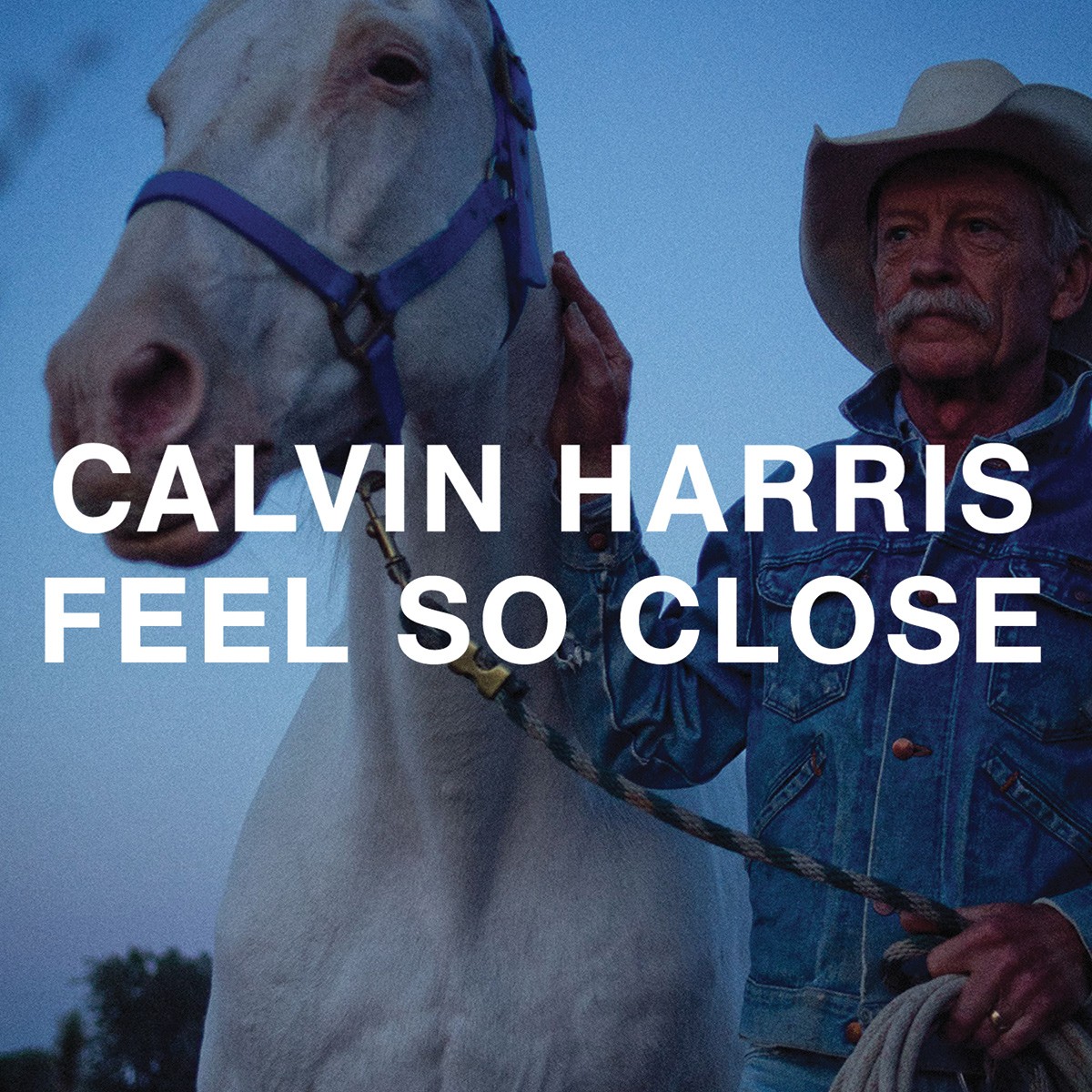
Before this, DJs were mostly just the guys in the booth. Sure, David Guetta was huge, but he was always bringing in Kelly Rowland or Akon to do the heavy lifting. When Feel So Close dropped on August 19, 2011, it proved that a producer could be the "face" and the "voice" of a global smash.
It reached number 2 on the UK Singles Chart and, more importantly, broke Harris into the US market in a massive way. It eventually hit number 12 on the Billboard Hot 100. For a guy from Dumfries who started out making music on a "shitty home computer" (his words), that was a total game-changer.
The Music Video and the 661 Area Code
If you watch the music video today, it feels like a time capsule of 2011 "hipster-cool" aesthetics. It wasn't filmed in a flashy Vegas club. Instead, it was shot in the dusty outskirts of Kern County, California, specifically around Rosamond.
You see local kids, a cowboy in a bar, and cheerleaders from Crescenta Valley High School. It captured a weird, nostalgic Americana vibe that felt different from the neon-soaked "bottles and models" videos of the era. It grounded the song in a way that made the "closeness" feel real, even if it was just a bunch of strangers dancing in a field.
The Legacy of 18 Months
We can't talk about this track without talking about the album it lived on: 18 Months.
This album was a statistical anomaly. It produced nine top-ten singles in the UK, which actually beat a record previously held by Michael Jackson’s Bad. While tracks like "We Found Love" with Rihanna were bigger on the charts, Feel So Close remained the emotional core of that era.
It was the bridge between his "indie-disco" roots and the "Las Vegas residency" titan he became.
What Most People Get Wrong
A common misconception is that this song marked Calvin's permanent return to singing. It didn't.
He actually went right back to his original plan of using guest vocalists for the rest of the album. Think Ellie Goulding on "I Need Your Love" or Florence Welch on "Sweet Nothing." He wouldn't really take the mic again in a major way until "Summer" in 2014.
He treats his voice like a tool—only to be used when the "vibe" is more important than the technical perfection of the notes.
Actionable Insights for Your Playlist
If you’re looking to recapture that specific 2011–2012 energy, or if you’re a producer trying to understand why this song still gets played at every wedding on the planet, keep these things in mind:
- Study the "Drop" Delay: Notice how the piano builds for a full minute before the beat actually kicks in. It’s a masterclass in tension and release.
- Simplicity Wins: If you’re writing lyrics, don’t overthink it. Harris used a "waterfall" and a "force field"—classic, relatable imagery that sticks.
- The Acoustic Test: Try listening to an acoustic cover of the song. It reveals that beneath the synthesizers, it’s actually just a really solid folk-pop song.
- Check the Extended Mix: If you only know the radio edit, go find the extended club version. It has a much grittier, "abrasive" production in the verses that got lost in the radio-friendly cut.
The song recently passed its 10-year anniversary, and honestly, it hasn't aged a day. It still feels like a "big deal."