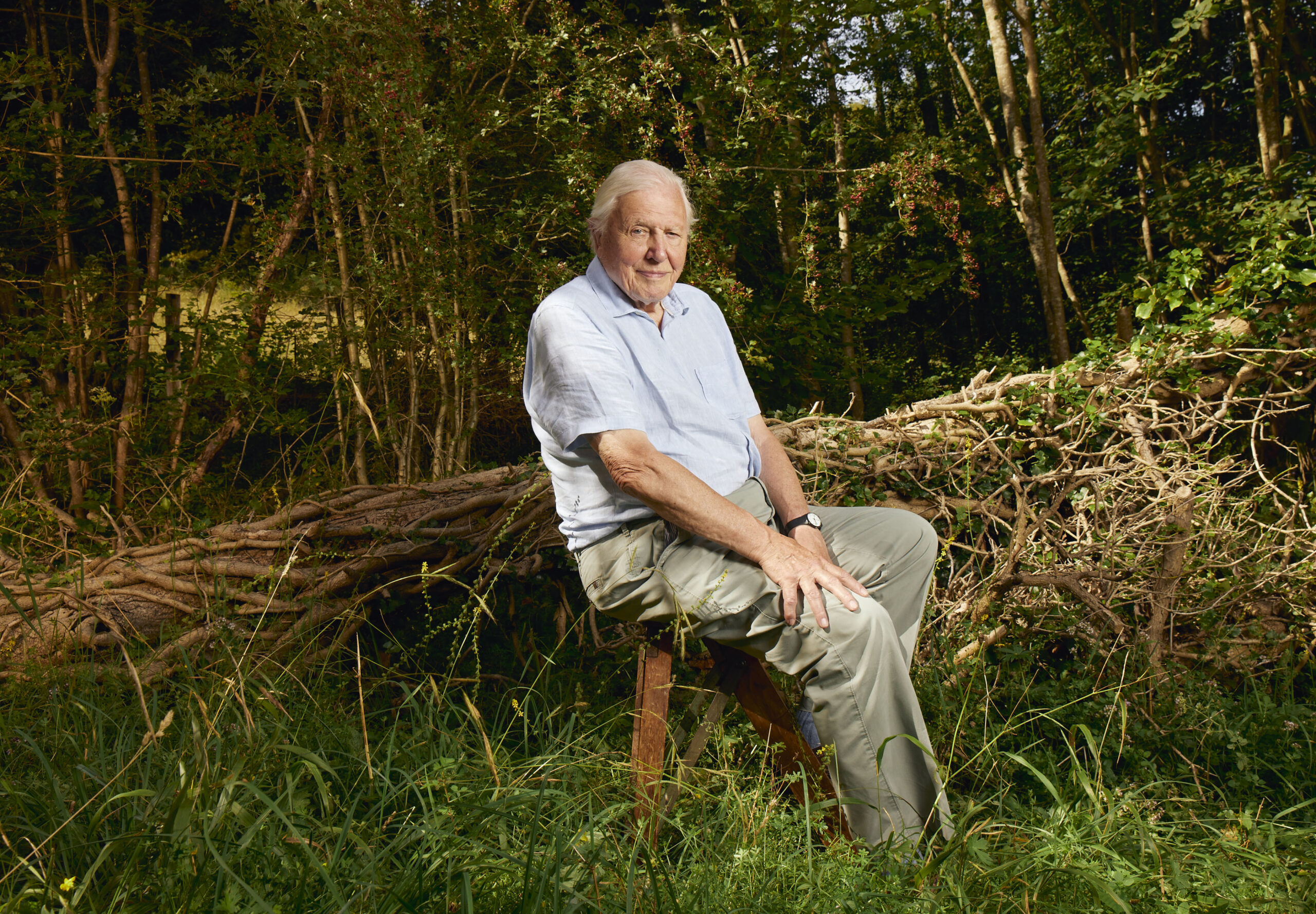
You know that voice. It’s a warm, hushed whisper that feels like a cozy blanket made of gravitas and curiosity. For most of us, David Attenborough is just "the nature guy." We grew up watching him whisper at gorillas or describe the mating dance of a bird of paradise with the kind of intensity most people reserve for a World Cup final.
But honestly? If you think David Attenborough tv programmes are just about pretty pictures of lions, you’re missing the actual story.
Most people don’t realize he basically invented the way we see the world. He didn't just narrate it; he built the machine that captures it. There’s a weird misconception that he’s always been this grandfatherly figure of conservation. In reality, his early days were kinda wild—think less "save the planet" and more "let's go catch a dragon in a sack."
It's been a long road from black-and-white film to 8K drones. Related insight on this trend has been published by E! News.
The "Zoo Quest" Era: When things were a bit messier
Back in 1954, David wasn't even supposed to be on camera. He was a producer. The guy who was meant to host, Jack Lester, got sick right before filming, and David had to step in.
That first show, Zoo Quest, was basically a travelogue where they went to places like Sierra Leone or Paraguay to find animals for the London Zoo. It sounds a bit "cringey" by today’s standards, right? Catching wild animals to put them in cages? But in the 50s, this was revolutionary. People had never seen a Komodo dragon before.
He was young. He had "too big" teeth (according to one BBC boss). He wore sensible shorts.
The series was a massive hit because it felt real. It wasn't a dry lecture. It was an adventure. David wasn't just talking about the animals; he was in the mud with them. This "man on the ground" style became the DNA for every single nature doc that followed.
Why the 1970s changed everything
By the late 60s, David had actually climbed the corporate ladder. He was the Controller of BBC Two. He’s the guy who brought color TV to the UK. He’s the guy who commissioned Monty Python’s Flying Circus. Seriously.
But he couldn't stay behind a desk.
In 1973, he quit his big-shot management job to go back to the dirt. He wanted to tell the "big story" of life. That resulted in Life on Earth (1979).
If you haven't seen it, you've definitely seen the clip of him with the mountain gorillas. That wasn't planned. He was trying to talk about the use of the opposable thumb, and the gorillas decided it was time for a cuddle. It’s arguably the most famous moment in television history.
But the real impact of Life on Earth was its scale. It was 13 episodes. It covered billions of years. It was the first time anyone had tried to explain the entire history of evolution to a mass audience. Over 500 million people watched it.
The "Life" Collection: A 30-year marathon
After Life on Earth, David spent the next few decades filling in the gaps. He didn't just stop at "animals." He went deep into specific groups.
- The Living Planet (1984): This one focused on ecology—how animals fit into their environments.
- The Private Life of Plants (1995): This was a huge tech leap. They used time-lapse photography to make plants look like they were "behaving" and moving in real-time. It turned sedentary bushes into dramatic actors.
- The Life of Birds (1998): He used infrared cameras to see what birds do in the dark.
- Life in the Undergrowth (2005): Macro photography that made a slug look as big as a monster truck.
It’s easy to binge-watch these now, but think about the sheer endurance. For thirty years, this man was on a plane nearly every week. He was living out of suitcases, eating weird food, and waiting for hours in the rain just to get ten seconds of a snow leopard.
The tech kept evolving too. By the time we got to Planet Earth in 2006, it was all about High Definition. Those sweeping aerial shots of caribou or the "great migration" changed the visual language of the genre.
The Shift: From wonder to warning
Here is where the "what most people get wrong" part comes in. People often accuse Attenborough of being "too late" to the climate change party.
For a long time, David was criticized by some environmentalists for making "nature porn"—shows that were so beautiful they made people think the world was doing fine. They argued his shows were a distraction from the destruction.
Honestly? He’s addressed this. His earlier stance was that you can't ask people to save something if they don't love it first. He spent 50 years making us fall in love with the planet.
But around the mid-2000s, the tone shifted. Hard.
Programs like The Truth About Climate Change (2006) and Frozen Planet (2011) stopped pulling punches. By the time Blue Planet II aired in 2017, he wasn't just showing us pretty fish. He was showing us a mother whale carrying her dead calf, likely killed by plastic pollution.
That single episode caused "The Blue Planet Effect." Plastic straw bans started popping up everywhere. People actually started changing their behavior.
David Attenborough in 2026: Still going?
As of 2026, the man is a centenarian, and he’s still narrating. His latest project, Kingdom, which premiered late last year and is still hitting international markets now, is a testament to how the format has changed again.
Kingdom focuses on four specific animal families in Zambia. It’s not just a "greatest hits" of cool facts. It uses narrative techniques that feel more like a HBO drama than a textbook. We follow "Olimba," a female leopard, and her daughter "Mutima."
It's intimate. It’s brutal.
The filming for Kingdom took about 1,400 days in the field. Think about that. They spent nearly four years watching the same few animals. The level of patience required is almost insane.
How to actually watch these shows (Search Intent)
If you’re looking to dive into the massive catalog of David Attenborough tv programmes, don't just pick one at random. You've gotta match the show to your vibe.
For the "Wow" factor
If you have a massive 4K TV and just want to be blown away, start with Planet Earth II or Our Planet (the Netflix one). The cinematography is Peak Human. The "Iguana vs. Snakes" sequence from Planet Earth II is basically a better action movie than anything Hollywood put out that year.
For the science geeks
Go back to First Life (2010). It uses CGI to bring the very first creatures on Earth back to life. It’s less about "cute animals" and more about the "how did we get here?" of biology.
For the heartstrings
Watch A Life on Our Planet (2020). He calls it his "witness statement." It’s half-autobiography, half-plea for the future. It’s probably his most personal work.
Actionable Insights for the Nature Fan
Watching these programmes is one thing, but if you want to get the most out of the "Attenborough experience," here’s what you should actually do:
- Check the Credits: Don't just skip them. The "Diaries" at the end of many BBC natural history episodes show how they got the shot. Often, the story of the cameraman sitting in a blind for three weeks is as interesting as the animal itself.
- Support the Units: Most of these shows are produced by the BBC Natural History Unit in Bristol or Silverback Films. They are the real deal. Follow their updates to see what tech they're pioneering next (like the "Triffid" camera rigs used in The Green Planet).
- Turn off the "Motion Smoothing" on your TV: Seriously. These shows are filmed with such precision that your TV’s "soap opera effect" settings will ruin the cinematic look. Turn it off to see the frame rate as the directors intended.
- Look for the "Attenborough Effect" in your own life: After watching Blue Planet II or Extinction: The Facts, look at your own consumption. The goal of his modern work isn't just to entertain you—it's to make you an active participant in conservation.
David Attenborough’s television career isn't just a list of shows. It’s a 70-year archive of a planet that is changing faster than we are. From the grainy film of Zoo Quest to the hyper-realistic 2026 sagas of Kingdom, he’s been our eyes.
The best way to honor that legacy is to keep watching, keep learning, and—as he would say—to realize that we are part of this world, not apart from it.