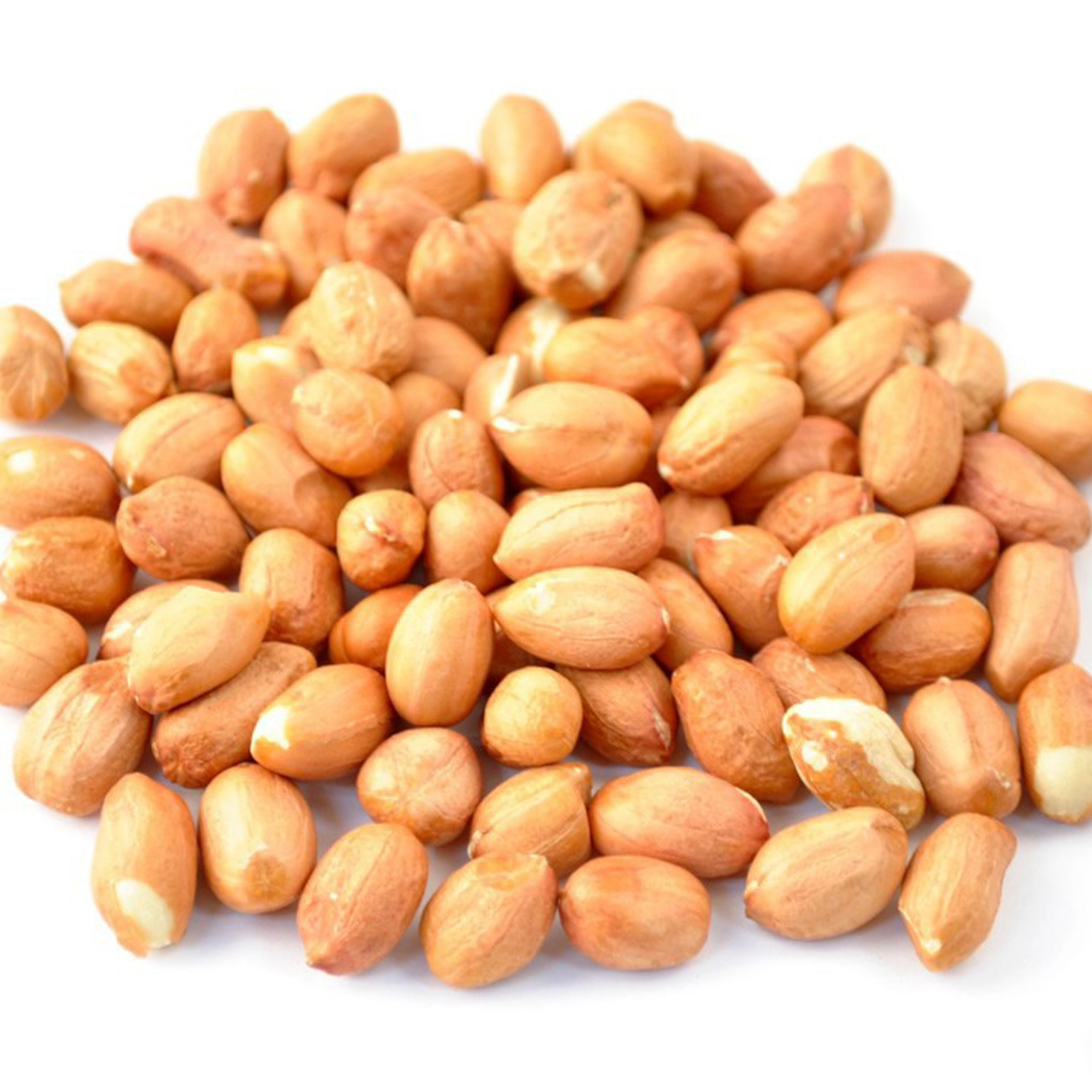
Raw peanuts are kinda misunderstood. Most people grab a jar of pre-salted, oil-roasted nuts from the snack aisle and call it a day, but honestly? You’re missing out on the best part of the legume. When you start looking for recipes using raw peanuts, you realize they aren't just a snack; they are a fundamental building block for some of the most iconic dishes in the world. They have this creamy, earthy, slightly "green" flavor that disappears once they’ve been blasted with industrial heat and shelf-stabilizing preservatives.
Seriously.
If you’ve ever had a bowl of authentic Boiled Peanuts at a roadside stand in Georgia or a rich Maafe (West African Peanut Stew) in Dakar, you know exactly what I’m talking about. You can’t recreate those textures with a jar of Planters. It just doesn’t work. Raw peanuts behave more like beans—because they are legumes, after all—allowing them to soften, absorb spices, and thicken sauces in a way that roasted nuts never will.
The Southern Staple: Real Boiled Peanuts
You can't talk about recipes using raw peanuts without mentioning the "caviar of the South." Most folks who didn't grow up below the Mason-Dixon line find the idea of a "wet" peanut a little weird. But that’s because they’re thinking of a crunchy snack gone soggy. A boiled peanut is its own beast.
To do this right, you need raw, "green" peanuts. Green peanuts are freshly harvested and haven't been dried yet. If you can't find those, regular dried raw peanuts work, but you'll need to soak them overnight.
The process is deceptively simple but requires patience. Grab a massive pot. Throw in your raw peanuts. Cover them with water—lots of it. Now, the salt is where people mess up. You need more than you think. A half-cup of salt per gallon of water is a solid starting point. Some people, like the legendary James Beard-award winning chef Sean Brock, might suggest adding things like star anise or ham hocks to the liquor, but purists usually stick to salt and maybe a dash of red pepper flakes.
You simmer them. For hours. Sometimes four, sometimes eight. You have to taste them periodically. You’re looking for a texture that is firm but yields completely to the tooth, almost like a cooked pinto bean. Once they're done, let them sit in the brine. If you pull them out immediately, they lose that juicy pop. The magic happens in the cooling phase where they soak up all that salty goodness.
Groundnut Stew and the Power of the Paste
Over in West Africa, raw peanuts are the backbone of Maafe. This isn't just a "peanut flavored" soup. It is a thick, hearty, soul-warming stew where the peanuts provide the fat, the protein, and the thickener all at once.
While many modern shortcut recipes tell you to use a jar of commercial peanut butter, that's a mistake if you want the real deal. Commercial peanut butter has sugar and palm oil. No thanks.
How to make the base
- Take two cups of raw peanuts.
- Toast them very lightly in a dry pan—just until they smell fragrant, not until they turn dark brown.
- Grind them into a paste while they’re still warm. You want it slightly gritty, not perfectly smooth like Jif.
In a heavy pot, brown some lamb or chicken. Sauté onions, garlic, and a lot of ginger. Toss in tomato paste and let it caramelize until it’s almost brick-red. Then, stir in your peanut paste and enough beef or vegetable stock to loosen it up. Add sweet potatoes and cabbage. As it simmers, the raw peanut fats emulsify with the tomato and meat juices. It creates this glossy, mahogany sauce that is deeply savory. The sweetness of the peanuts balances the heat from the Scotch Bonnet peppers perfectly. It’s one of those recipes using raw peanuts that will literally change how you view your pantry.
Kung Pao: The Raw Peanut Texture Hack
If you go to a high-end Sichuan restaurant, you’ll notice the peanuts in the Kung Pao Chicken aren't like the ones you get at a dive bar. They are incredibly crisp but pale. That’s because they start with raw, blanched peanuts.
When you fry raw peanuts in oil, they cook from the inside out. This results in a much more uniform "shatter" when you bite into them. Pre-roasted peanuts tend to get oily and heavy when refried.
To get that restaurant-quality crunch, you take skinless raw peanuts and drop them into a cold wok with oil. Turn the heat to medium. Keep them moving. As the oil heats up, the moisture inside the peanuts slowly evaporates. As soon as they turn a very faint golden color—pull them out! They will continue to cook for a minute after you remove them. Toss those back into your stir-fry at the very last second. That contrast between the tingly Sichuan peppercorns, the tender chicken, and that specific raw-fried peanut crunch is why this dish is a global favorite.
Beyond the Savory: Peanut Milk and Horchata
Most people don't think about drinking peanuts, but raw peanut milk is a revelation. It’s a common sight in parts of China and Taiwan, often served hot for breakfast.
It’s surprisingly creamy. You soak the raw peanuts, blend them with water, and then strain the mixture through a nut milk bag. But here is the trick: you have to cook it. Raw peanuts contain certain enzymes that can be a bit tough on the stomach if consumed in large quantities without heat.
Bring the milk to a gentle simmer with a bit of rock sugar. It tastes like a liquid Nutter Butter, but somehow lighter and more refined. In some Latin American variations, people blend raw peanuts into their horchata base along with rice and cinnamon, adding a rich, fatty depth that rice alone can't provide.
Safety and Storage: What No One Tells You
We have to talk about Aflatoxins. It sounds scary because, well, it can be. Aspergillus flavus is a mold that can grow on peanuts, especially in warm, humid conditions. This mold produces aflatoxins, which are known carcinogens.
This is why buying high-quality raw peanuts is non-negotiable.
- Don't buy them from dusty, open-air bins where they've been sitting for months.
- Look for reputable suppliers that test for mold.
- Store them in the fridge or freezer. Raw peanuts have a high oil content. At room temperature, those oils go rancid fast. If your raw peanuts smell "paint-like" or bitter, throw them out. They should smell like fresh legumes—clean and slightly sweet.
The Surprising Versatility of "Peanut Tofu"
In Okinawa, Japan, they make something called Jimami Tofu. Here’s the kicker: it contains zero soybeans. It’s made entirely from raw peanuts.
You blend the peanuts with water to make a thick milk, then cook it with sweet potato starch (shikuwasa). As it heats, it thickens into a texture that is somewhere between panna cotta and mochi. It’s stretchy, creamy, and nutty. Usually, it’s served chilled with a splash of dashi-soy glaze and a bit of grated ginger. It’s a masterclass in how recipes using raw peanuts can span the entire spectrum from heavy stews to delicate, refined appetizers.
Transforming Your Cooking with Raw Peanuts
If you want to actually start using these in your kitchen, don't overthink it. Start by replacing half the fat in your next curry with a raw peanut paste. Or, next time you make a salad, fry up some raw peanuts in a little chili oil and salt instead of using croutons.
The depth of flavor you get from a peanut that has been cooked with the dish rather than added as an afterthought is night and day. It’s the difference between a garnish and an ingredient.
Actionable Next Steps
- Source your nuts: Look for a local international grocery store or an online vendor like Hardy Farms or Bertie County Peanuts. Ensure they are recent harvests.
- The Blanching Trick: If you bought raw peanuts with the red skins on, soak them in boiling water for 3 minutes. The skins will slip right off. This is essential for creamy sauces or peanut milk.
- Freeze for Longevity: Immediately move any raw peanuts you aren't using today into a vacuum-sealed bag or airtight container and put them in the freezer. They will stay fresh for up to a year this way.
- Master the Roast: If you do decide to roast them for a recipe, do it at a lower temperature—around 300°F (150°C)—for a longer time. This develops flavor through the center without burning the exterior.
Peanuts aren't just for ballpark snacks. Once you start treating them like the versatile legume they are, your pantry opens up in ways you didn't expect. Get some raw ones, get a big pot of water, and start boiling. You'll get it once you take that first bite.