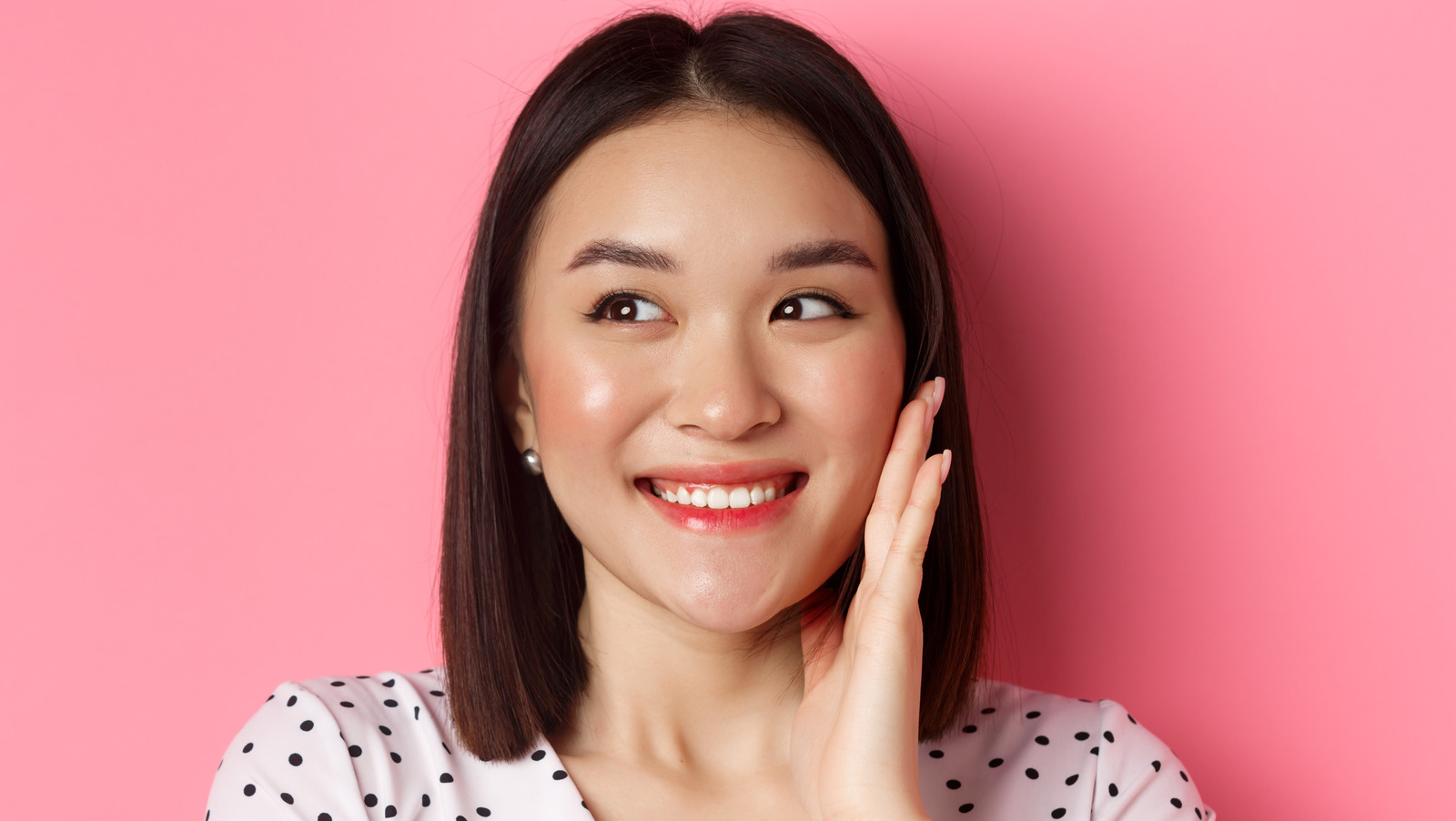
You’re standing in a meeting or maybe just chatting with someone you find attractive, and suddenly, it hits. That creeping heat. It starts at your chest, climbs up your neck, and eventually settles into a fiery, unmistakable glow across your cheeks. You know everyone can see it. That’s the worst part, right? Charles Darwin once called blushing "the most peculiar and most human of all expressions." He wasn't kidding. While other animals have complex social hierarchies, we’re the only ones that literally leak our internal embarrassment through our skin.
But what does blush mean in a biological sense? It isn't just a quirk of your personality. It’s a physiological "fight or flight" response gone rogue. Basically, your sympathetic nervous system kicks into high gear, releasing adrenaline. This adrenaline causes your blood vessels to dilate—a process called vasodilation—to improve blood flow and oxygen delivery. In your face, these vessels (specifically the veins) are particularly sensitive to emotional triggers. When they open up, more blood rushes through, and because those vessels are close to the surface, you turn bright red.
The Psychology of the Glow: What Does Blush Mean Socially?
Most people think blushing is just about being "embarrassed," but it’s actually a way more nuanced social signal than that. It’s a "non-verbal apology." According to research by Dr. Corine Dijk at the University of Amsterdam, blushing acts as a signal to others that you recognize a social norm has been broken. It’s your body saying, "I know I messed up, and I feel bad about it."
Think about it. If someone trips in public and doesn't blush or react, they might seem arrogant or indifferent. But if they turn beet-red? We instinctively trust them more. We find them more likable. It sounds counterintuitive, but your red face is actually a social lubricant. It proves you aren't a psychopath. You care about what the group thinks.
There are different types of blushing, too. You have your standard "I just tripped" blush. Then there’s the "someone just gave me a compliment" blush. There’s even the "I’m angry" flush. While the physiological mechanism is similar—blood rushing to the surface—the context changes the meaning. In the dating world, blushing is often seen as a sign of attraction. Why? Because you can’t really fake a blush. It’s one of the few truly honest signals left in human communication. If you blush when someone walks into the room, your body is shouting a secret you might be trying to keep.
When the Red Becomes a Burden: Chronic Blushing and Erythrophobia
For some people, this isn't just a cute personality trait. It’s a nightmare. There’s a specific condition called idiopathic craniofacial erythema, which is basically just a fancy medical term for "frequent, intense blushing for no apparent reason."
Imagine being in a grocery store and suddenly your face feels like it’s on fire because the cashier asked if you found everything okay. This often leads to erythrophobia—the fear of blushing. It creates a vicious cycle. You’re afraid of blushing, which makes you anxious, which triggers the adrenaline, which makes you blush.
I’ve talked to people who have literally quit jobs or avoided weddings because the fear of "turning red" was so paralyzing. They feel exposed. Vulnerable. In extreme cases, some people even turn to a surgical procedure called Endoscopic Thoracic Sympathectomy (ETS). In this surgery, doctors actually clip the nerves that control the blushing response. It's a heavy-duty solution for a problem that feels purely "emotional," but for those living with it, the relief is life-changing. However, it's not without risks, like compensatory sweating in other parts of the body.
The Chemistry of the Flush
It's all about the receptors. Your facial veins have specific beta-adrenoceptors that respond to adrenaline. When these receptors are triggered, the smooth muscle in the vessel walls relaxes.
- Adrenaline spikes.
- Veins widen.
- Blood flow increases dramatically.
Interestingly, researchers have found that people who are more "self-conscious" in a general sense tend to blush more often. It’s tied to the "spotlight effect"—the psychological phenomenon where we think everyone is paying way more attention to us than they actually are. In reality, most people are too worried about their own hair or their own social gaffes to notice your slightly pink cheeks. But to the person blushing, it feels like a neon sign.
Misconceptions About the Redness
A big mistake people make is assuming blushing always means guilt. Police officers or interrogators sometimes look for blushing as a "tell" for lying. But the science doesn't really back that up as a definitive lie detector. You can blush because you’re innocent but terrified of being accused. You can blush because you’re offended. You can even blush because you’re just physically hot from the room temperature.
Also, don't confuse blushing with rosacea. While blushing is a temporary emotional response, rosacea is a chronic skin condition that causes persistent redness, visible blood vessels, and sometimes small bumps. If the redness doesn't go away after the social stressor is gone, you’re looking at a dermatological issue, not a social one.
Handling the Heat: Actionable Steps
If you’re someone who struggles with frequent blushing, there are ways to manage it without going under the knife.
First, stop trying to stop it. It sounds weird, but the more you fight a blush, the more adrenaline you pump into your system. When you feel it coming on, try to lean into it. Mentally say, "Okay, I'm blushing, whatever." Often, acknowledging it out loud to the person you're with—"Wow, I'm turning bright red right now"—completely kills the power of the blush. Once the "secret" is out, the anxiety drops, and the redness fades faster.
Second, watch your triggers. Alcohol, spicy foods, and caffeine all cause vasodilation. If you’re already prone to blushing and you’re headed into a high-stress social situation, maybe skip the double espresso or the hot wings. Keeping your core body temperature lower can also help; sometimes just holding a cold drink can provide a physical anchor to keep your system calm.
Finally, look into Cognitive Behavioral Therapy (CBT). Since blushing is so tied to your thoughts about social judgment, changing how you perceive those judgments can actually change your physical response. You can train your brain to realize that blushing isn't a catastrophe. It’s just your body being a little too honest.
Most people actually find blushing endearing. It's a sign of sincerity in a world that often feels filtered and fake. So the next time your face starts to glow, remember: it’s just your biology proving you’re a human being who cares about the people around you.
To manage your response effectively, focus on regulated breathing when you feel the heat start at your neck. Slowing your heart rate through diaphragmatic breathing can dampen the sympathetic nervous system's "red alert" signal. Practice "square breathing"—inhale for four counts, hold for four, exhale for four, and hold for four—to manually override the adrenaline surge before it reaches your cheeks. This physical intervention, combined with the mental shift of accepting the flush, is the most reliable way to regain control over your body's most visible emotion.