You’ve seen it. That bright, noisy, plastic contraption with the iconic yellow phone and the sun that sings about being hungry for knowledge. The VTech Sit to Stand Learning Walker is basically a rite of passage in the world of modern parenting. If you haven't tripped over one in a dimly lit living room at 2 AM, are you even a parent?
But here’s the thing. There is a weird amount of drama surrounding this toy. Some folks swear it’s the reason their kid walked at nine months, while others act like it’s a one-way ticket to developmental delays and emergency room visits. Honestly, the truth is way more boring—and way more useful—than the internet comments make it out to be.
What's Actually Going on With the VTech Sit to Stand Learning Walker?
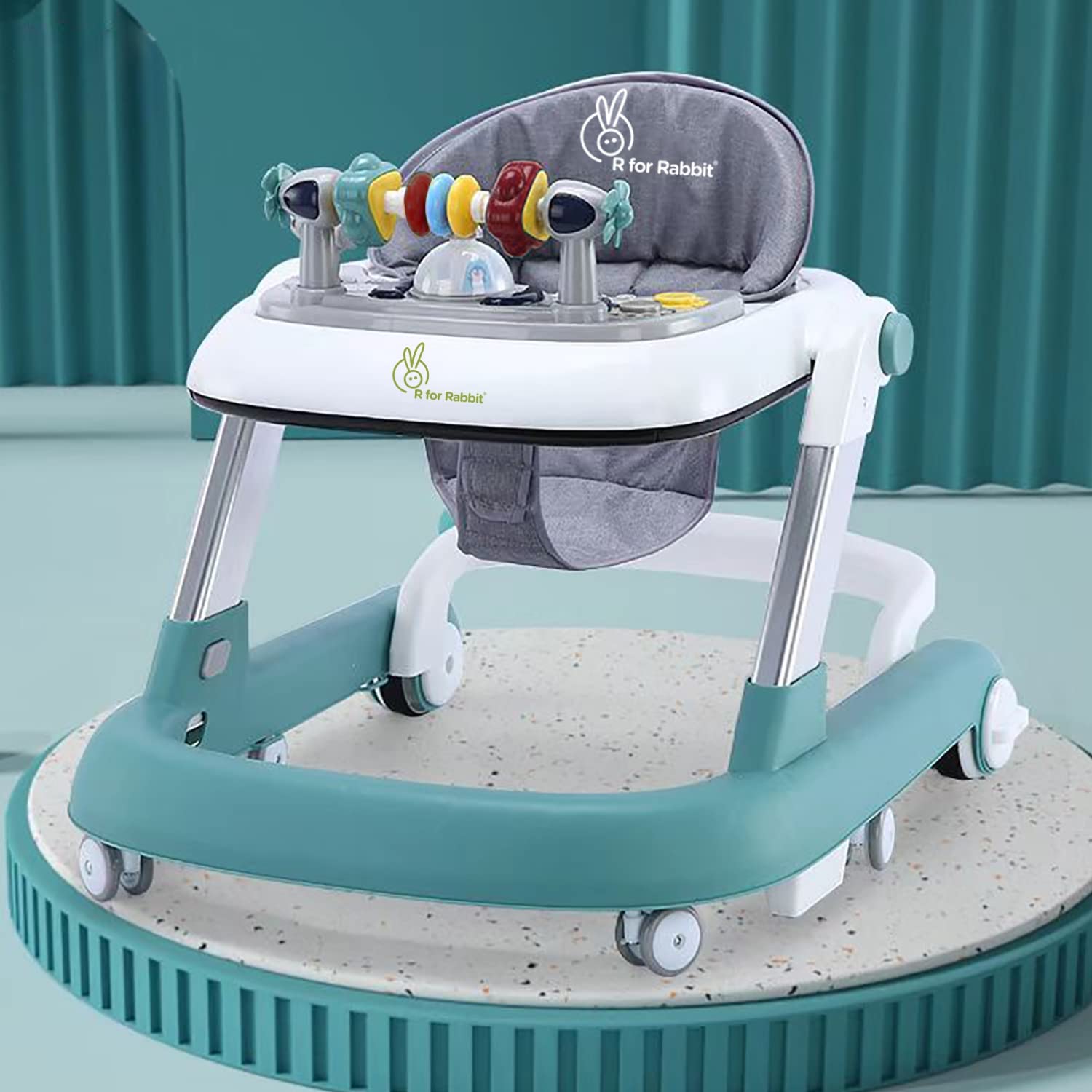
Let’s get the "sit to stand" part straight. This isn't just a walker. It’s a transformer. You’ve got this detachable activity panel that lies flat on the floor for babies who are still in the "potato" phase—basically just sitting there, batting at things. Then, when they start getting that frantic urge to move, you click it onto the four-wheeled base.
It’s loud. It’s bright. It has a speed control switch on the back wheels that most parents don't even realize exists until their kid has already done a burnout across the hardwood.
The Developmental Debate: Does It Help?
I talked to a few pediatric PTs about this. The consensus? A push walker like the VTech Sit to Stand Learning Walker is worlds better than those "seated" walkers where the kid hangs in a harness. Those seated ones are actually banned in Canada because they’re kinda dangerous and mess with hip development.
The VTech version is a "push toy." It requires the baby to actually support their own weight. That’s a huge distinction.
- Muscle Memory: It helps them practice the upright posture.
- Balance: It provides a bit of a "safety net," though a wobbly one.
- Confidence: Sometimes, a kid just needs to feel like they aren't going to faceplant immediately.
That said, it won't magically make a child walk earlier. Biology is the boss here. If their neurological system isn't ready, no amount of plastic gears and barnyard songs will change that.
The Features Nobody Mentions (But You’ll Care About)
Most reviews just list the buttons. Let’s talk about what actually matters when you’re living with this thing for 18 months.
The Speed Control Switch
On the back wheels, there are these little red switches. Position 1 adds tension. This is crucial if you have laminate or hardwood floors. Without that tension, the walker flies out from under the baby, leading to the aforementioned faceplant. Position 2 lets the wheels spin freely once they’ve got their "land legs."
The Telephone Handset
This is the most lost item in the history of juvenile products. It’s not tethered. It will end up under the sofa, in the dog's mouth, or behind the radiator. Just accept it now.
Battery Life
Surprisingly, it’s a tank. It takes 2 AA batteries. VTech usually includes some "demo" batteries, but you’ll want to swap those out for high-quality alkalines pretty quick. The "Automatic Shut-off" is a godsend for your sanity, killing the noise after 60 seconds of inactivity.
Why Some Parents Hate It
It’s not perfect. Nothing is. The biggest gripe? It’s light. Even with the wheel tension, if a baby pulls up on the handle rather than pushing forward, the whole thing can flip toward them. You basically have to be a spotter, like you’re at the gym, for the first few weeks of use.
Also, it doesn't work great on thick, plush carpet. The wheels are plastic, not rubber. On a deep shag rug, it’s basically a stationary toy. On the flip side, on very slick tile, it can drift sideways because there’s no "grip."
Setting It Up Without Losing Your Mind
Assembly is pretty straightforward, but don't do it while the baby is napping if you’re prone to dropping screws.
- Click the legs in: Make sure the wheels are facing out. You’ll hear a "click." If you don't, it’s not secure.
- The Handle: This usually requires a bit of muscle. It snaps into the top of the base.
- The Panel: It has a little latch at the top. Slide it up to pop the panel off for floor play.
If the music starts sounding demonic or skipping like a broken record, it’s not possessed. It just needs new batteries. That's the universal "low battery" signal for VTech toys.
The Actionable Reality
If you’re looking at the VTech Sit to Stand Learning Walker, don’t expect it to be a babysitter. It’s a tool.
Wait for the signs. Don't force them to use it. If they’re already pulling up on furniture (cruising), they’re ready. If they’re still floppy, keep the panel on the floor and let them enjoy the piano keys.
Check the tension. Always start on setting 1. Check the wheels every few days to make sure no hair or carpet fibers have gummed up the axles—it happens more than you’d think.
Focus on the floor play first. The biggest value of this toy is actually the six to twelve-month window. The "walking" phase is relatively short, but that activity panel keeps them busy for months before they ever take a step.
Invest in a decent set of earplugs or learn to embrace the "Welcome to our learning farm!" song, because once it’s in your house, it’s part of the family.
Practical Next Steps
Check your floor type. If you have exclusively slick hardwood, consider putting down a large foam play mat to give the wheels some actual traction. Before you buy new, check local parent groups; these things are so durable that they are frequently sold secondhand for ten bucks. Just give it a good wipe with a damp cloth and some mild soap—avoid soaking the electronic panel—and it’s good as new.