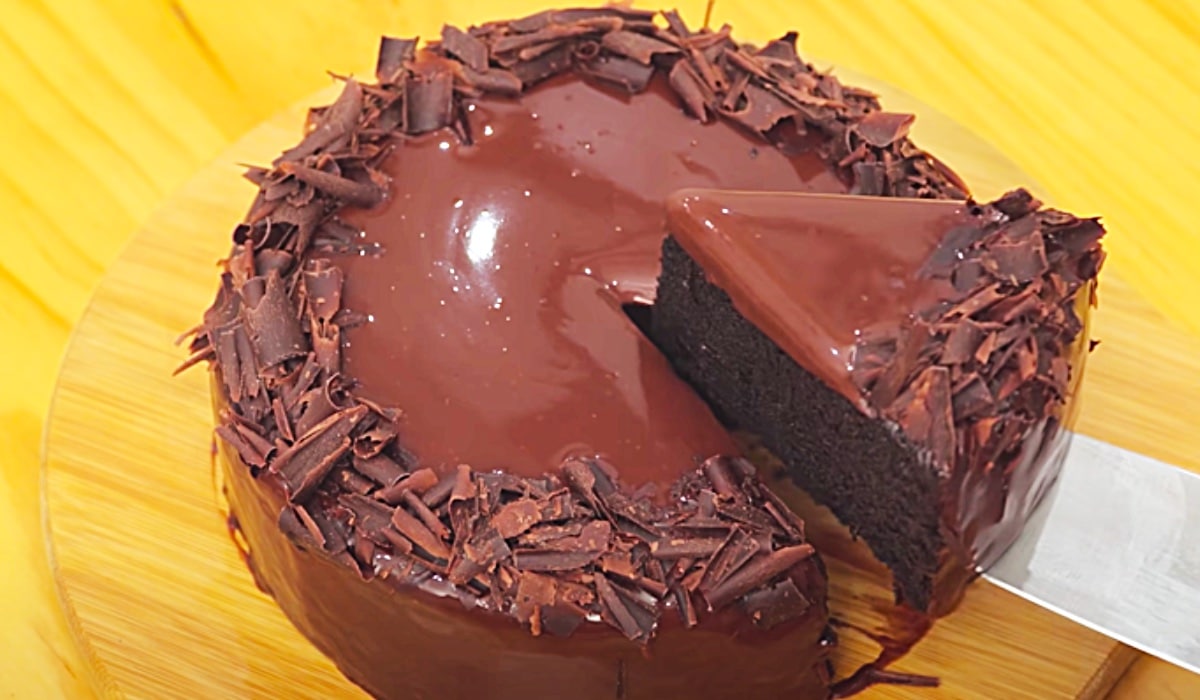
You’ve probably been there. It’s 9:00 PM on a Tuesday, the oven is broken or it's just too hot to even think about preheating a kitchen to 350 degrees, and you need dessert. Now. You start looking for a no bake chocolate cake, expecting something that actually tastes like cake, but what you usually find are "fridge cakes" that are basically just stacks of wet graham crackers or weirdly rubbery gelatin puddings. It’s frustrating.
Most recipes for a no bake chocolate cake fail because they forget the most basic rule of baking: texture is everything. If it doesn't have that tight crumb or that rich, velvety melt-on-the-tongue feel, it’s just a pile of cold ingredients.
Honestly, the "cake" part of a no bake recipe is a bit of a lie, technically speaking. Since we aren't using leavening agents like baking powder or soda to create air bubbles through heat, we have to cheat. We use structural fats. We use biscuits. Sometimes, we use chemistry that feels a bit like magic.
Why the Biscuit Base is Actually the Secret
If you ask Nigella Lawson or any grandmother in Italy making a Salame di Cioccolato, they’ll tell you that the foundation isn't the chocolate. It's the crunch. You need a dry, neutral biscuit—think McVitie’s Digestives or even those classic Marie biscuits. These aren't just filler. They absorb the moisture from the chocolate ganache without turning into mush. That’s the tightrope walk. As extensively documented in recent coverage by Vogue, the results are worth noting.
If you use a cookie that's too soft, you get a soggy mess. Too hard? You’re breaking a tooth.
The science here is pretty cool. When you fold crushed biscuits into a warm chocolate and butter mixture, the starches in the biscuits start to bind with the fats. As it chills in the fridge, the fat solidifies, locking the biscuit pieces into a dense, fudge-like matrix. This is exactly how the famous "Prince William’s Groom’s Cake" works. It’s basically a high-end version of a Tiffin, and it’s arguably the most famous no bake chocolate cake in the world.
Let’s Talk About the Chocolate (Because Quality Matters)
Stop using those "semi-sweet" chips from the back of the pantry that have been there since 2022. Just don't. Those chips contain stabilizers like soy lecithin that are designed to help them keep their shape under heat. That's great for cookies, but for a no bake chocolate cake, it results in a waxy mouthfeel.
Go for a bar. A real one.
You want something with at least 60% cocoa solids. Brands like Ghirardelli or Guittard work well if you're in the US, while Lindt is a solid baseline globally. When you melt high-quality chocolate with heavy cream to make a ganache base, the cocoa butter content ensures that the cake sets firmly but remains creamy.
- Use a 1:1 ratio of chocolate to cream for a soft, truffle-like texture.
- Bump it to 2:1 (chocolate to cream) if you want a slice that stands up tall and proud like a traditional torte.
- Add a pinch of Maldon sea salt. It’s not just for aesthetics; salt suppresses bitterness and makes the chocolate "pop."
The "No-Egg" Problem
Many people are scared of no-bake recipes because they worry about stability. Without eggs to provide structure, how does it stay up? In a traditional baked cake, egg proteins denature and create a net. In our no-bake version, we rely on the saturated fat in butter and the cocoa butter in the chocolate. This is why you can't substitute margarine here. Margarine has too much water and a lower melting point. Your cake will literally slump on the plate if it sits out for twenty minutes at a party.
Variations That Actually Work
There is a massive misconception that no-bake means "simple" or "boring." That's total nonsense.
Take the "Icebox Cake" method. This involves layering thin chocolate wafers with whipped cream. Over 24 hours, the moisture in the cream migrates into the wafers, softening them until they have the exact texture of a steamed sponge cake. It’s a classic American staple that Nabisco helped popularize back in the 1920s.
Then there’s the "Chocolate Fridge Cake" popular in the UK. This one is more aggressive. You’ve got raisins, maybe some golden syrup for a chewy texture, and heaps of crushed biscuits. It’s dense. It’s heavy. It’s incredible with a cup of black coffee.
- The Ganache Method: Best for luxury. It’s basically a giant truffle.
- The Cheesecake Method: Mix melted chocolate with cream cheese and folded whipped cream. It’s airy and light but still hits that chocolate craving.
- The Eclair Cake: Layers of graham crackers and chocolate pudding topped with a glossy frosting. It’s nostalgic and messy in the best way.
Common Mistakes You’re Probably Making
I’ve seen a lot of people try to make a no bake chocolate cake and end up with a puddle. Usually, it's because they didn't let the chocolate cool before adding other ingredients. If you fold whipped cream into piping hot chocolate, the cream deflates instantly. You lose all that air. You end up with a dense brick.
Another big one? Not lining the pan.
Seriously. Use parchment paper. Leave an overhang. Because there’s no flour to create a "crust," these cakes are incredibly sticky. If you don't have a "sling" to lift the cake out of the tin, you’re going to be eating it with a spoon directly out of the pan. Which, honestly, is fine for a midnight snack, but not great for a birthday party.
The Role of Temperature
Temperature is your only "oven" here. Your freezer and fridge are doing all the heavy lifting.
If you’re in a rush, you might be tempted to shove the cake in the freezer for an hour. Don't do it. Rapid freezing can cause the fats to separate from the solids in the chocolate, leading to a "bloomed" look—that weird white dusty film on top. It’s not mold, but it looks unappetizing. A slow set in the refrigerator (at least 6 hours, preferably overnight) allows the moisture to distribute evenly.
The result is a much cleaner slice.
Enhancing the Flavor Profile
Since we aren't developing flavors through the Maillard reaction (the browning of sugars in an oven), we have to be smart about additives.
A teaspoon of instant espresso powder doesn't make the cake taste like coffee; it just makes the chocolate taste more like chocolate. It deepens the bass notes of the cocoa. Similarly, a splash of vanilla extract or even a tablespoon of dark rum can add layers of complexity that prevent the cake from being one-dimensionally sweet.
Real-World Expert Insight: The Professional Edge
Pastry chefs often use a technique called "emulsification" even in no-bake settings. When you combine your warm cream and chocolate, start stirring from the center in small circles. You’re looking to create an emulsion—a shiny, elastic core. This ensures that the fat won't leak out later.
If your mixture looks "broken" or grainy, add a teaspoon of room-temperature milk and whisk vigorously. It usually snaps back together.
Why People Love These (Beyond the No-Oven Thing)
There’s a psychological element to a no bake chocolate cake. It feels indulgent in a way that a dry sponge cake doesn't. Because it's served cold, the flavors hit your palate differently. It’s refreshing. It feels like a cross between a candy bar and a dessert.
Plus, it's incredibly forgiving. Did the biscuits crush too small? Doesn't matter, it’ll just be a smoother cake. Did you accidentally add too many nuts? Now it’s a "Rocky Road" cake.
Actionable Steps for Your Next Cake
If you want to master this, start with a simple ganache-and-biscuit ratio.
- Pick your vessel: A springform pan is your best friend here.
- The 60% Rule: Use chocolate that is at least 60% cacao.
- Chill Time: Give it at least 8 hours. No cheating.
- The Hot Knife Trick: To get those clean, professional-looking slices, dip your knife in hot water and wipe it dry between every single cut. The heat from the metal will glide through the cold fats like butter.
Forget the oven. Focus on the quality of your chocolate and the patience of your chill time. You'll end up with a no bake chocolate cake that actually deserves the name.