Honestly, most people I talk to about solo hiking have this weird, polarized view of it. They either think you’re some kind of enlightened mountain goat seeking spiritual transcendence or a doomed protagonist in a horror movie who’s about to make a series of very poor life choices. It’s rarely that dramatic. Solo hiking is basically just walking. It’s walking without the social pressure to keep pace, the need to fill silence with small talk, or the compromise of where to stop for lunch. It’s quiet. Sometimes it’s boring. But it’s also one of the most effective ways to actually learn how to trust your own brain.
I remember the first time I went out alone. It wasn't some 50-mile trek through the backcountry of Glacier National Park. It was a local four-mile loop. I was terrified. Every snapping twig sounded like a bear. Every rustle in the leaves was a mountain lion. My heart was doing a drum solo in my chest for the first twenty minutes. Then, something shifted. I realized that the woods didn't care I was there. The fear was just my brain's way of saying it hadn't done this before.
If you've been sitting on the fence, thinking, "I've always wanted to try solo hiking," you're likely overthinking the wrong things. People obsess over gear lists and "bear spray versus bells," but they ignore the psychological shift required to actually enjoy being by yourself in the middle of nowhere.
The Mental Game of Being Alone
When you’re hiking with a group, your attention is external. You’re watching the person in front of you, listening to stories, or checking the time to make sure everyone is back by dinner. Solo hiking flips that script. Your attention becomes hyper-internal. You notice the weird rhythm of your breathing. You notice how your boots feel slightly tighter on your left foot. You notice the way the light hits a specific patch of moss.
It can be overwhelming. Psychologists often talk about the "Default Mode Network" (DMN) in the brain—it's the part that kicks in when we aren't focused on a specific task. In a city, your DMN is usually ruminating on stress or social anxieties. On a trail, with no one to talk to, that network starts to settle. It’s why people often say they have their best ideas while walking. There’s a specific kind of clarity that comes after about mile three when the "city noise" finally drains out of your head.
But let’s be real: it’s also scary. Fear is the number one barrier. You are statistically much safer on a trail than you are driving to the trailhead, but our lizard brains don't understand statistics. They understand shadows. To get past that, you have to stop fighting the fear and start managing it. Acknowledge that you’re nervous. It’s fine. It’s actually a good thing—it keeps you sharp.
Safety Isn't Just a Whistle and a Map
Everyone talks about the "Ten Essentials." Yes, you need a map. Yes, you need water. Yes, you need a first aid kit. But the most important safety tool isn't in your pack; it’s your itinerary.
Tell someone where you are going. Always. Specifically, tell someone who actually gives a damn if you come back and tell them exactly when they should call for help. I have a "check-in person" for every solo trip. I send them a text: "Heading to the Old Rag trailhead. Should be out by 4:00 PM. If you don't hear from me by 7:00 PM, call the ranger station."
That three-hour buffer is key. It accounts for a flat tire, a slow pace, or just wanting to sit by a creek for an hour. Don't make people panic at 4:01 PM.
Technology has changed the game here too. Devices like the Garmin inReach or the Zoleo have made "off-grid" a bit of a misnomer. These satellite communicators allow you to send a text from deep in a canyon where cell service is a distant dream. They are expensive. They require a subscription. But if you're serious about solo hiking in remote areas, they are non-negotiable. They turn a potential tragedy into a manageable inconvenience.
Why You Don't Need the Most Expensive Gear
There is a massive misconception that you need to look like a North Face catalog to step into the woods. You don't. You really don't.
- Footwear: If you're on a well-maintained trail, you don't need heavy, waterproof leather boots. Trail runners are often better because they're lighter and dry faster.
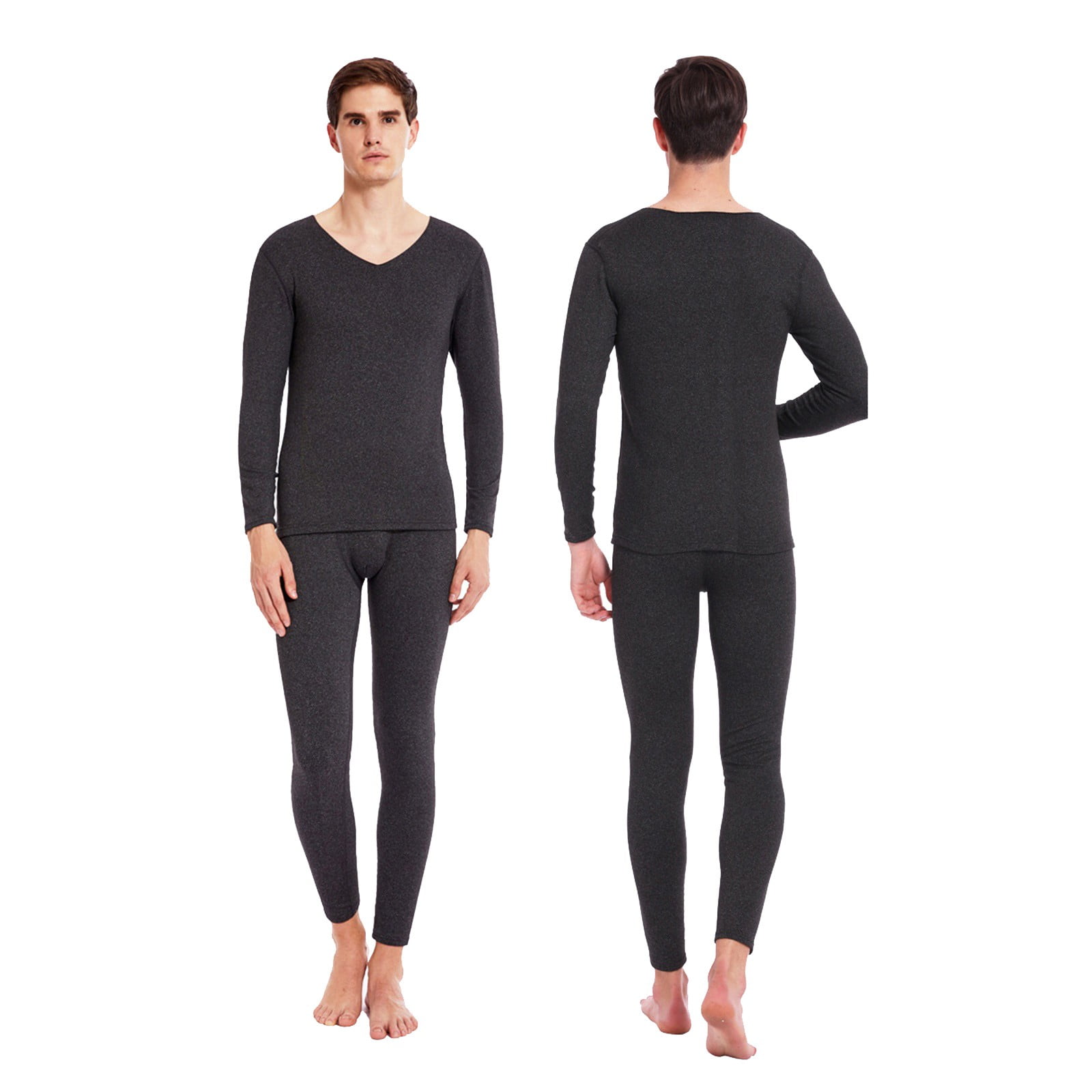
- Clothing: Just avoid cotton. Seriously. "Cotton is rotten" is a cliche for a reason. It stays wet, gets heavy, and can lead to hypothermia even in mild weather. Synthetic or wool is the way to go.
- The Pack: As long as it fits and doesn't hurt your shoulders, it’s fine for a day hike.
You don't need a $400 titanium stove to go solo hiking for the first time. You need a sandwich and a decent pair of socks.
Managing the "What-Ifs"
What if I see a bear? What if I twist an ankle? What if I get lost?
Let’s talk about animals first. In most of North America, the animals are more afraid of you than you are of them. Black bears are basically giant raccoons. If you see one, make noise. Look big. Don't run. Grizzlies are a different story, but they’re limited to specific regions. Do your research. If you're in grizzly country, carry bear spray and know how to use it. Don't keep it at the bottom of your pack. That’s like keeping a fire extinguisher in the basement when your kitchen is on fire.
The "getting lost" part is usually a result of "summit fever" or poor decision-making. People get off-trail because they think they see a shortcut or they lose the markers in the dark. If you lose the trail, STOP. Don't keep walking hoping to find it. Sit down. Drink some water. Look around. Most people who get lost wander further away from help because they panic.
The Solo Hiker’s Secret: It’s Not About the Summit
In a group, there’s this unspoken pressure to reach the "end." You want the photo at the top. You want to prove you can do it. When you're solo, you have the absolute freedom to be a "failure."
I’ve turned around half a mile from a summit because the wind felt wrong. I’ve ended a hike after twenty minutes because I just wasn't feeling it. There is a weird, quiet power in being able to quit without having to explain yourself to anyone else. It’s your day. If you spend four hours looking at a cool mushroom and never reach the overlook, you still won.
This autonomy is the real reason solo hiking is addictive. Every decision is yours. Every mistake is yours. Every discovery is yours. There is no one to blame and no one to impress.
Actionable Steps for Your First Solo Trip
Don't go out and try to conquer a "hard" rated trail on AllTrails immediately. Start small and build the "solitude muscle."
- Pick a familiar trail. Go somewhere you’ve hiked with friends before. You already know the terrain, so you can focus on the "being alone" part rather than the "where am I" part.
- Go on a weekday. Popular trails can be crowded on Saturdays. If you go on a Tuesday morning, you’ll actually get that sense of solitude you’re looking for, but there will likely still be enough people around that you won't feel totally isolated.
- Check the weather twice. Check it the night before and the morning of. Mountain weather is fickle. A "chance of showers" in the city can mean a torrential downpour and a 20-degree temp drop on a ridge.
- Pack a "luxury item." Since you aren't carrying anyone else's gear, bring something that makes you happy. A real book (not a Kindle), a fancy chocolate bar, or a lightweight hammock.
- Download offline maps. Don't rely on cell signals. Apps like Gaia GPS or AllTrails+ allow you to download maps to your phone that work via GPS even when you have zero bars.
The goal isn't to become an expert survivalist overnight. The goal is to realize that you are perfectly capable of taking care of yourself. Solo hiking isn't about "finding yourself"—that's a bit too "Eat Pray Love" for my taste. It’s more about realizing you were never actually lost; you were just distracted by everyone else.
Next time you have a free Saturday, don't wait for a friend to text you back. Just pack a bag, tell someone where you're going, and start walking. The woods are waiting, and they don't care if you're alone.