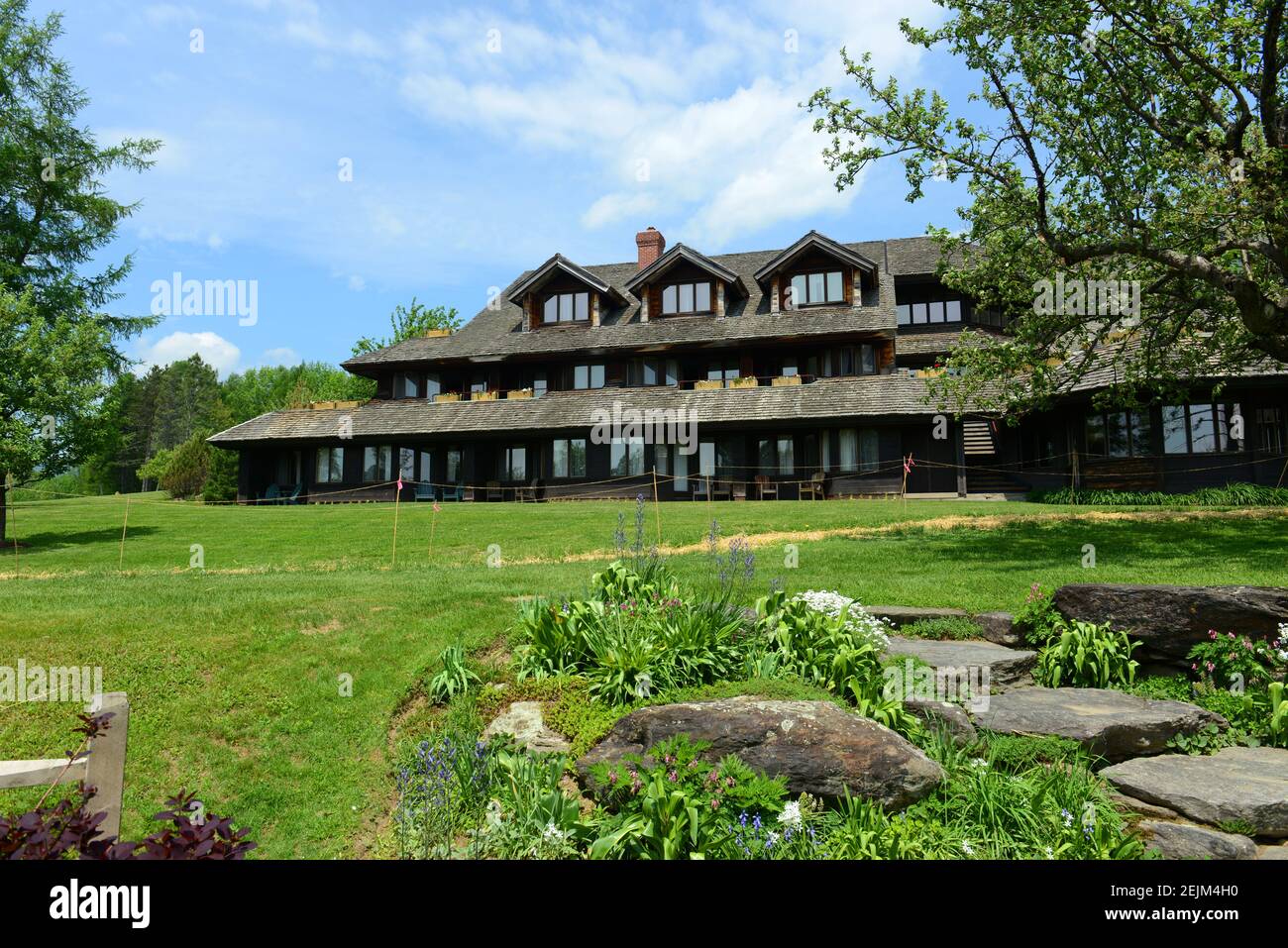
Pine Valley isn't what you expect from Southern Utah. When people think of Washington County, they see red rocks, 110-degree St. George afternoons, and dry sand. But drive forty-five minutes north and the world flips. You trade the cactus for massive Ponderosa pines. You swap the sweat for a light jacket.
Pine Valley Utah weather is the secret escape for locals because it’s basically a high-altitude island. Sitting at 6,500 feet, this mountain town operates on a completely different rulebook than the desert floor. Honestly, if you don't check the forecast before heading up, you’re probably going to be shivering while everyone back in town is hitting the pool.
The Massive Temperature Gap
The most jarring thing about the climate here is the "20-degree rule." Usually, Pine Valley is about 15 to 25 degrees cooler than St. George. That’s a lifesaver in July. While the city is baking at 102°F, Pine Valley sits at a breezy 78°F.
It’s a different kind of air. Crisp. Thin.
But that gap works both ways. In October, you might leave town in a t-shirt and arrive in Pine Valley during a surprise dusting of snow.
Pine Valley Utah Weather: What to Expect Each Season
Most people think "Southern Utah" means summer all year. Nope. Pine Valley has four very loud, very distinct seasons.
The Snowy Lock-In (Winter)
Winter in Pine Valley is quiet. Really quiet.
January and December are the coldest, with highs struggling to hit 45°F and nights regularly dropping into the low 20s. Snow is a constant. Unlike St. George where snow melts by noon, it sticks around here.
We’re talking about an average of 16 inches of snowfall annually, but the peaks like Signal Peak (which towers at 10,365 feet) get hammered with way more.
The Messy Transition (Spring)
Spring is... weird. You’ve got March starting out freezing, then suddenly April hits and everything blooms. It’s the windiest time of year. April averages wind speeds around 15 mph, which can make a 60-degree day feel like 40.
If you’re planning a hike, May is the sweet spot. The mud starts to dry out, and the "comfortable" days (highs between 65°F and 86°F) start showing up.
The Monsoon Escape (Summer)
This is why people love Pine Valley. July and August are the "hottest" months, but with highs averaging 94°F, it’s paradise compared to the triple digits elsewhere.
Warning: Don't ignore the afternoon clouds.
Pine Valley gets hit hard by the North American Monsoon. From July through September, those violent afternoon thunderstorms are no joke. They roll in fast, dump an inch of rain, and can cause flash flooding or debris flows.
The Peak Experience (Fall)
If you want the best version of Pine Valley Utah weather, go in October.
The aspens turn gold, the air is still, and the daytime highs are a perfect 72°F. It’s the driest part of the year. You get these massive temperature swings, though—it might be 70°F at 2:00 PM and 38°F by the time you finish dinner.
The 2026 Closure: A Major Update
Something is different right now. You need to know that the Pine Valley Recreation Area is currently closed through the 2026 season. Nature hit this place hard. A massive wildfire (the Forsyth Fire) followed by intense flooding in late 2025 caused significant damage. The U.S. Forest Service is currently working on:
- Hazard tree removal (this is huge for safety).
- Reconstructing the Pine Valley Reservoir dam.
- Rerouting water channels to prevent future debris flows.
Basically, you can still visit the town, but the campgrounds and the reservoir area are off-limits for a while. It’s a bummer, but the rehabilitation is necessary so the place doesn't wash away in the next monsoon.
What to Pack (The Reality Check)
Kinda sounds like a cliché, but layers are the only way to survive Pine Valley.
Even in the peak of summer, the low humidity means heat doesn't stick around after the sun goes down.
- A real jacket: Even in June. Trust me.
- Rain shell: Essential for those 3:00 PM monsoon bursts.
- Sunscreen: At 6,500 feet, the UV hits way harder than you think.
The Atmospheric Inversion Factor
During winter, Utah gets these things called "inversions." Cold air gets trapped in the valleys, along with all the smog and pollution.
While Salt Lake City or even St. George might be hazy and grey, Pine Valley is usually sitting above the gunk. It’s one of the few places where you can go to literally breathe better when the air quality index (AQI) crashes in the lower elevations.
Actionable Tips for Your Trip
- Check the Highs AND Lows: Never look at just the daily high. A 50-degree temperature swing in 12 hours is common.
- Monsoon Safety: If you see dark clouds over the peaks by 1:00 PM, get off the trails. Lightning and flash floods are the primary weather threats here.
- Winter Access: If you’re heading up between November and March, have 4WD or chains. The road is paved, but the grade is steep and black ice is a frequent guest.
- Stay Updated: Since the recreation area is under major construction through 2026, call the Pine Valley Ranger District at (435) 652-3100 before you drive up to see which trails are actually accessible.
Pine Valley is a mountain island. It’s moody, it’s significantly colder than its neighbors, and it demands a bit more respect than the desert below. If you plan for the cold and keep an eye on the afternoon clouds, it's easily the best climate in Southern Utah.