You've probably seen the headlines. David Sinclair, a Harvard professor who looks decades younger than his actual age, basically put Nicotinamide Mononucleotide (NMN) on the map. It's the "miracle" molecule that supposedly repairs DNA and keeps your cells from acting like they’re eighty.
But here’s the thing.
Whenever a supplement starts trending on TikTok and Biohacking forums, people forget to ask the boring questions. You know, the "will this make me sick?" kind of questions. Honestly, most of the internet is just repeating the same three talking points about NAD+ levels. They rarely talk about the weird stuff.
I’m talking about the 2:00 AM heart palpitations or the sudden, urgent need to find a bathroom after your morning dose. If you're looking for the truth about nmn supplement side effects, you have to look past the marketing.
The Reality of Digestive Chaos
Most human clinical trials, like the famous 2020 Keio University study or the more recent 2023 trial led by Sinclair himself, suggest that NMN is incredibly well-tolerated. We’re talking about doses up to 1,200mg or even 2,000mg with "no serious adverse events."
But "serious" in a medical study is different from "annoying" in real life.
Many users reporting their experiences on platforms like Reddit or longevity forums mention gastrointestinal distress. It’s not a secret. If you take 500mg of NMN on an empty stomach, your gut might stage a protest.
- Nausea: A common complaint, especially if you skip breakfast.
- Bloating: It feels like your stomach is inflating like a balloon.
- Diarrhea: This usually happens at higher dosages (above 1 gram).
Why? It’s likely because NMN is a precursor to NAD+. When you flood your system with it, your microbiome has to deal with the influx. Some people's gut bacteria just aren't fans.
The "Sinclair Protocol" and Methyl Depletion
One of the more nuanced nmn supplement side effects isn't actually a direct effect of the molecule itself. It's about what it takes away from your body.
Basically, when your body processes NMN to create NAD+, it uses up "methyl groups." Think of methyl groups like the currency your body uses for hundreds of chemical reactions, including switching genes on and off. If you burn through all your methyl groups by taking massive doses of NMN, you might end up with high levels of homocysteine.
That’s bad news for your heart.
This is why many experts, and even Sinclair himself, often suggest taking TMG (Trimethylglycine) alongside NMN. TMG acts as a "methyl donor," essentially refilling the tank so the NMN doesn't leave you depleted. If you’ve been feeling weirdly fatigued or moody after starting NMN, it might actually be a methylation issue, not the supplement itself.
Sleep, Jitters, and the Midnight Surge
NMN boosts energy. That's the whole point. But your mitochondria don't have an "off" switch that respects your 10:00 PM bedtime.
I’ve heard from dozens of people who started taking NMN in the afternoon and suddenly found themselves staring at the ceiling at 3:00 AM. Their bodies felt "wired" but their brains were exhausted. It’s a specific kind of restlessness.
Pro tip: Take it early.
The general consensus among researchers like Dr. Andrew Salzman is that NMN follows your circadian rhythm. Since NAD+ levels naturally peak in the morning, taking your supplement then mimics your body's natural flow. If you take it late, you're essentially telling your cells it's 9:00 AM when the sun is down.
The Elephant in the Room: The FDA and Cancer
We have to talk about the scary stuff.
First, the legality. As of late 2025 and into 2026, the FDA has finally cleared the air. After years of back-and-forth where NMN was almost banned because it was being "investigated as a drug" (specifically by Metro International Biotech), the agency basically did an about-face. NMN is currently back on the shelves as a legal dietary supplement.
But what about the cancer rumors?
There is a theoretical concern that because NAD+ fuels all cells, it could also fuel cancer cells. If you have an active tumor, it loves energy just as much as your healthy cells do.
However, there is zero clinical evidence in humans that NMN causes cancer. In fact, some animal studies suggest it helps the immune system track down "bad" cells better. But if you have a history of cancer, you absolutely need to talk to an oncologist before touching this stuff. It’s better to be safe than sorry when you’re dealing with cellular fuel.
Quality Control Is a Mess
You might think you’re experiencing nmn supplement side effects, but you might just be reacting to a bad product.
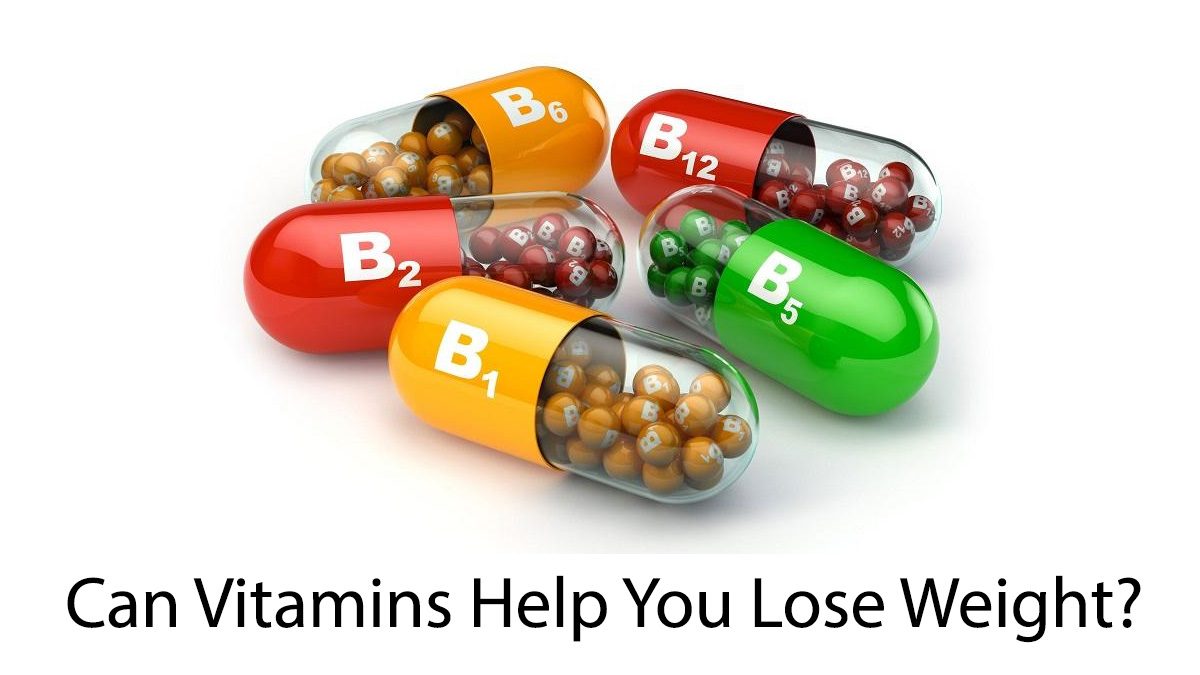
Because the supplement market is so loosely regulated, some "NMN" sold on discount sites contains 0% NMN. Instead, it’s full of fillers, or worse, it’s degraded into regular old Nicotinamide (Vitamin B3). High doses of degraded B3 can cause "flushing"—that prickly, red-hot skin sensation that feels like a sunburn from the inside out.
True NMN shouldn't cause a flush. If yours does, it’s either fake or it’s old.
How to Avoid the Bad Stuff
If you're going to try NMN, don't just dive into the deep end.
- Start small. Don't go straight to 1,000mg. Try 250mg for a week. See how your stomach feels.
- Watch the clock. Take it within an hour of waking up.
- Consider TMG. If you're doing high doses, talk to your doctor about adding a methyl donor.
- Check the label. Look for third-party testing (NSF or USP). If a brand doesn't show you their lab reports, don't buy it.
NMN isn't a "magic pill" that comes without a price. While it’s generally safe, your body is a complex system. Pushing one lever (NAD+) usually means something else moves somewhere else.
Pay attention to your body. If you start getting headaches or feeling "off," stop. The goal is longevity, not making yourself miserable in the present.
Next Steps for You:
Check your current multivitamin for Vitamin B3 levels. If you're already taking a B-complex, adding high-dose NMN might lead to an oversupply that causes that "wired" feeling. Also, if you haven't had a blood test in a year, get one to check your baseline homocysteine levels before starting a high-dose NMN regimen. This will give you a clear "before and after" picture of how your body is handling the extra methyl demand.