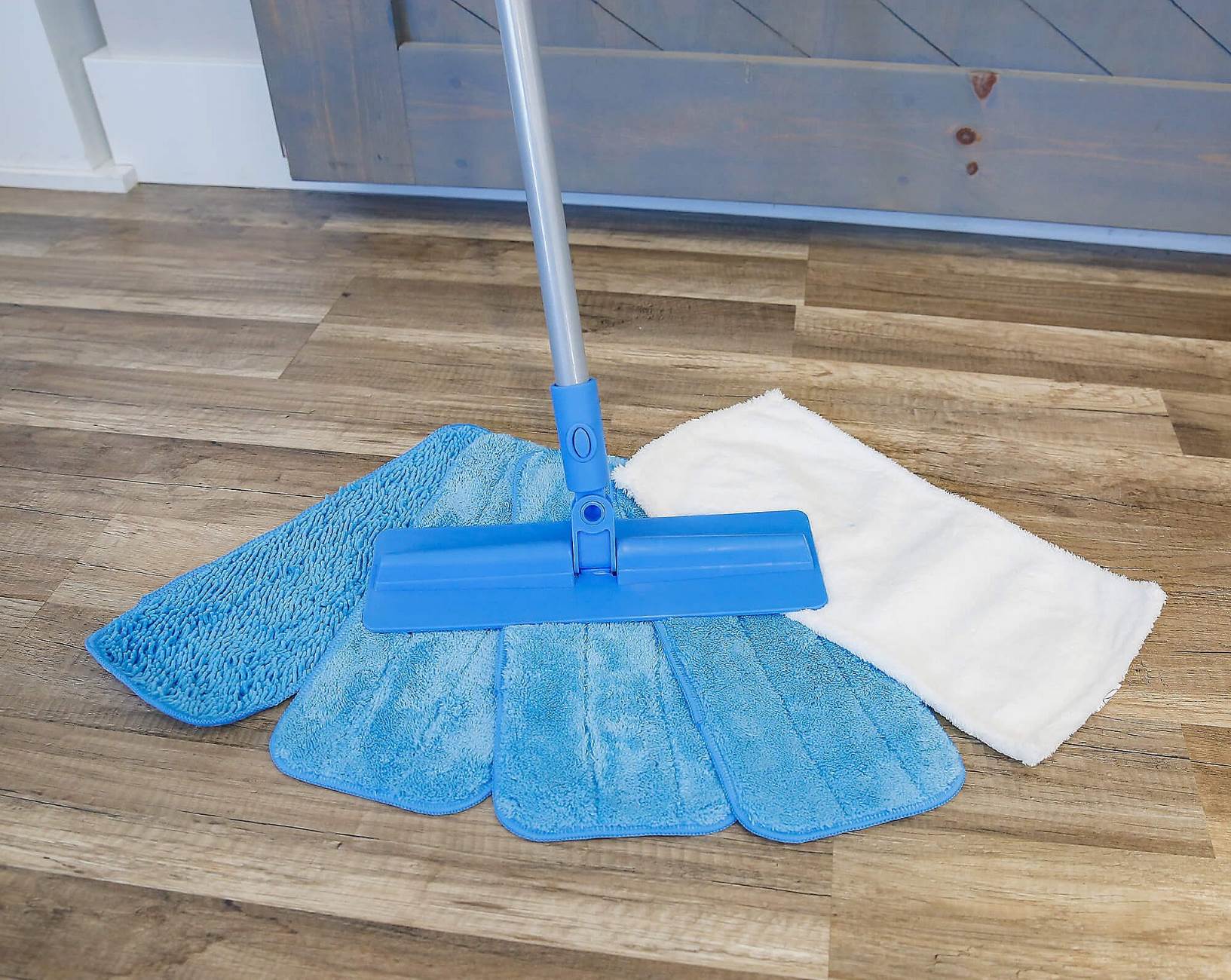
You’re standing in your kitchen, the floor is sticky with something that looks suspiciously like dried apple juice, and your mop head looks like it survived a war. It’s gray, it smells a bit like a damp basement, and honestly? It’s just pushing the dirt around. You bought the replacement weeks ago. It’s sitting in the utility closet, still in that crinkly plastic wrap. But every time you look at the mop handle, you think, "I’ll figure out how to swap it later."
Getting a libman mop head change done shouldn't feel like solving a Rubik’s Cube.
Most people wait way too long to swap these out. We’re talking months past the "best by" date. Libman mops are workhorses, but even the best microfiber or sponge has a limit. If you’re seeing streaks or the "yarn" looks like it’s thinning out, you’re basically just exfoliating your floor with dirty water.
The Wonder Mop Mystery: Why It Sticks
The Wonder Mop is probably the most popular one in the lineup. It’s that classic white and green striped microfiber fringe. Changing it is supposed to be "one-click" easy, but if you’ve had the mop for a year, that plastic collar can get stubborn.
Here is the thing: there is a specific sleeve. You have to slide the wringer sleeve all the way up toward the handle. Most people try to yank the head off while the wringer is still partially engaged. Don't do that. You’ll just end up cracking the plastic.
Once that sleeve is up, look for the "click" buttons. You squeeze those together. Sometimes they’re stiff because of dried soap scum. A little wiggle usually frees them. When you pop the old one off, check the "teeth" on the handle. If there’s gunk in there, wipe it out before you snap the new one on. It makes the next libman mop head change ten times easier.
Tornado Mops and the Dreaded Plastic Clip
The Tornado Mop is a different beast. It’s the one with the big, looped yarn.
Honestly, this one is the most frustrating if you don’t know the trick. On the very top of the mop head—right where it meets the green handle—there is a white connector piece. You have to unattach this from the handle first.
I’ve seen people try to unscrew the whole pole. You don't need to do that.
- Find the small plastic clip near the tip.
- Pull it straight out. It’s a little tab that holds the whole unit together.
- Slide the old mop head down and off the pole.
The "pro" move here? Take that old head and throw it in the washing machine. Libman says you can wash these up to 50 times. If it’s not literally falling apart, a trip through the laundry with some bleach-free detergent might save you the $10 for a new refill. Just don't put it in the dryer. The high heat can melt the synthetic fibers and then it won't absorb a drop of water.
The Nitty Gritty Roller Mop: Don't Force It
The Roller Mop (the one with the big sponge and the scrubbing strip) is actually the easiest to mess up. People try to pull the sponge off like they're peeling an orange.
Stop.
You’ve got to use the wringer handle. Push the wringer handle all the way forward so the sponge is fully extended and "popped out."
Look at the back of the sponge. There are these little plastic tracks or "fasteners." You have to slide the sponge sideways or "pop" it out of those tracks depending on the specific version you have. If you have the Scrubster version, you actually have to soak the new sponge in warm water for about a minute before you even try to install it. If the sponge is bone-dry and stiff, you’ll likely snap the plastic clips trying to force it onto the frame.
Why Your New Mop Head Isn't Working
Ever done a libman mop head change and realized the new one feels... greasy?
It’s not just you.
New microfiber and sponge heads often have a "finish" from the factory. It’s a residual coating from the manufacturing process. If you go straight from the package to the floor, you’ll see those annoying hazy streaks.
Always rinse a brand-new head in warm water first. No soap. Just water. Wring it out a few times. This "primes" the fibers to actually start absorbing the floor cleaner instead of just sliding over the surface.
Dealing With Rust and Jammed Poles
If you live somewhere with hard water, you might find that the internal mechanism of your twist mop is jammed. This happens a lot with the Tornado Twist models.
The metal inside the handle can get a bit of surface rust if it never dries out. If you can't get the head to budge, don't use a hammer. Spray a little WD-40 or even some cooking oil spray into the joint where the plastic meets the metal. Let it sit for five minutes. Usually, that’s enough to break the seal of the "gunk" holding it hostage.
Actionable Steps for Your Next Clean
- Check the "teeth": Every time you swap a head, check the plastic teeth on the connector. If they’re rounded off or white (from stress), it might be time for a whole new mop, not just a refill.
- The Sniff Test: If your mop smells sour even after it dries, it's harboring bacteria. Swap it.
- Color Code: If you use Libman mops for the bathroom and the kitchen, buy different colored refills. It sounds overkill until you realize you just mopped the kitchen island with the same head you used behind the toilet.
- Save the Clip: If your new refill didn't come with a replacement plastic pin/clip (sometimes they don't!), do not throw the old one away until the new head is securely locked in.
Getting your floors clean shouldn't be a battle with your equipment. A fresh libman mop head change every 3 to 4 months—or sooner if you're mopping up after kids and pets—is the simplest way to make sure you're actually cleaning, not just moving the mess around. Grab that refill, slide the sleeve, and just get it over with. Your floors (and your back) will thank you.