You see it everywhere. It’s on your favorite energy drink, your high-speed internet plan, and probably in the way your best friend describes their latest obsession. Hyper. It’s a tiny prefix—just five letters—but it carries a massive amount of weight in the English language. Honestly, if you stripped "hyper" out of our modern vocabulary, we’d have a much harder time describing the sheer intensity of life in 2026.
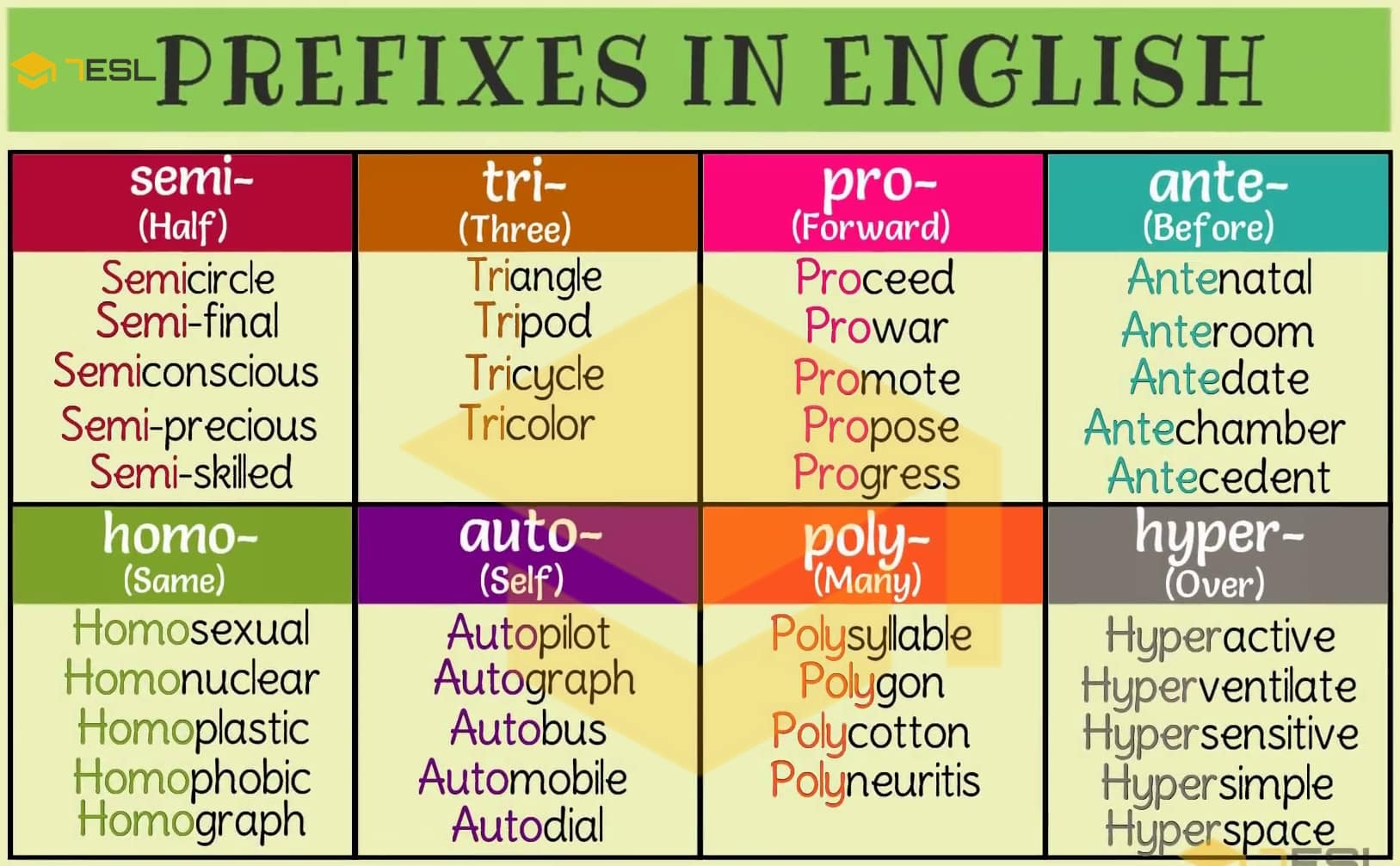
But what does it actually mean? At its most basic, literal level, the prefix hyper comes from the Greek hupér, meaning "over," "beyond," or "above." It’s the linguistic opposite of hypo, which means "under" or "deficient." While hypo is about a lack, hyper is about an excess. It’s too much. It’s over the top. It’s the extra shot of espresso in a world that’s already vibrating.
The Science of Going Over the Top
In medical and scientific contexts, hyper is used with clinical precision. Doctors use it to describe physiological states where something is moving faster or occurring at a higher rate than what is considered healthy or standard. Think about hypertension. It’s not just "stress"; it’s a specific medical measurement where the force of blood against your artery walls is consistently too high.
Take hyperthyroidism. This happens when your thyroid gland decides to go into overdrive, pumping out way too much thyroxine. It speeds up your metabolism to an uncomfortable, often dangerous degree. On the flip side, we have hyperventilation, which most of us have experienced during a panic attack or a sprint. You’re breathing so fast that you actually upset the balance of carbon dioxide in your blood. It’s the prefix of "too much of a good thing."
Interestingly, the way we use hyper in science has bled into how we talk about our everyday lives. When someone says a kid is "hyper," they are shortening hyperactive. We’ve turned a clinical prefix into a common adjective. We do this because the prefix is so effective at communicating a state of being that is beyond the norm.
Hyper-Reality and the Digital Blur
If you’re into philosophy or media studies, you’ve probably heard of hyperreality. Jean Baudrillard, a French sociologist, really dug into this. He argued that in a world saturated with media and simulations, we’ve reached a point where we can’t distinguish reality from a simulation of reality.
Think about a theme park. It’s a "hyperreal" version of a city or a fairytale land. It’s cleaner, brighter, and more curated than any real place could ever be. In 2026, we see this in AI-generated influencers or perfectly filtered travel photos. The image becomes more important than the actual location. We aren't just living; we are living in a hyper-connected state where our digital personas often carry more weight than our physical selves.
Why "Super" Isn't Enough Anymore
You might wonder why we don't just use "super." While both prefixes imply an increase, they feel different. "Super" often implies excellence or being at the top of a hierarchy (like a supervisor or a superhero). Hyper, however, feels more kinetic. It feels like movement. It feels like an escalation that might be slightly out of control.
- A supercharged engine is high-performance.
- A hyperactive engine sounds like it might explode.
There is an inherent tension in the prefix. It suggests a boundary has been crossed. When a company describes their new service as hyper-local, they aren't just saying they are in your city. They are saying they are in your specific neighborhood, perhaps even your specific block. It’s a level of granularity that "super-local" just doesn't capture.
The Linguistic Evolution of Hyper
Languages change. They breathe. The way we use prefixes today would probably baffle someone from a hundred years ago. Back then, hyper was mostly reserved for textbooks. Today, it’s a prefix that creates "power words."
Consider the term hyperlink. Before the internet, this word didn't exist. Now, it's the fundamental building block of the web. It’s a link that goes "beyond" a static page, transporting you to an entirely different location in the digital ether. Then there’s hyperfocus, a term often used in the neurodiversity community to describe a state of intense, deep concentration that lasts for hours. It’s not just "focusing"; it’s focusing to the exclusion of everything else—even food or sleep.
Economics and the Hyper-Cycle
In the world of finance, few words are more terrifying than hyperinflation. This isn't your standard 2% or 3% yearly price increase. This is when prices spiral out of control so fast that money becomes practically worthless by the hour. History is littered with examples, from the Weimar Republic in the 1920s to more recent crises in places like Zimbabwe or Venezuela.
It represents a total breakdown of the economic system. It’s the "hyper" prefix at its most destructive. It shows that while "more" can be good, "beyond" can be catastrophic.
The 2026 Takeaway
We live in a hyper-modern age. We are dealing with hyper-automation in our workplaces and hyper-personalized ads in our social feeds. Understanding this prefix is actually about understanding the velocity of our current world. Everything is being pushed to its limit.
If you want to use this knowledge practically, start looking at how "hyper" is being used to market products to you. When you see a "hyper-fast" charger, realize they are appealing to your sense of urgency. When you feel "hyper-stressed," acknowledge that you’ve moved past regular stress into a zone that requires a different kind of management.
Actionable Next Steps:
- Audit your vocabulary: Notice how often you use "hyper" vs. "super" or "very." Using the right prefix can make your communication much more precise.
- Identify hyper-realities: The next time you're scrolling through social media, ask yourself if what you're seeing is "real" or "hyperreal." Recognizing the difference can significantly lower your anxiety and FOMO.
- Manage hyperfocus: If you’re someone who falls into deep "hyperfocus" sessions, set external cues—like a physical alarm in another room—to pull you back to the "real" world before you burn out.
- Monitor hyper-local trends: In business, the "hyper-local" shift is massive. If you're an entrepreneur, look for ways to serve your immediate community with a level of detail that big corporations can't match.