You’re two drinks in and the room starts that subtle, rhythmic tilt. You know the feeling. It’s that rising heat in your throat and the sudden, excessive salivation that signals your stomach is about to stage a protest. Honestly, most advice on how to not throw up while drinking is just plain bad. People tell you to "eat bread" or "drink water between rounds," which is fine, but it doesn't account for the actual biology of why your body thinks you’re being poisoned. Because, technically, you are.
Alcohol is an irritant. It’s literally ethanol. When you pour it down your gullet, your stomach lining gets inflamed (gastritis), and your brain’s "vomit center"—the area postrema—starts screaming. If you want to stay upright and keep your dinner where it belongs, you have to play a game of biological defense.
The Science of Why You’re Actually Heaving
Your stomach produces more acid than usual when you drink. This is the big one. It’s not just the volume of liquid; it’s the chemical reaction. According to the National Institute on Alcohol Abuse and Alcoholism (NIAAA), alcohol increases the production of gastric acid and can also delay gastric emptying. This means the booze and the half-digested tacos are just sitting there, fermenting and irritating the lining of your gut.
When the concentration of alcohol in your blood hits a certain threshold, your brain decides the quickest way to fix the problem is the "eject" button. It’s a survival mechanism. But you can trick it.
Why Bubbles are Your Secret Enemy
Carbonation is a trap. Whether it's champagne, a gin and tonic, or a heavy beer, those little bubbles increase the pressure in your stomach. More importantly, research has shown that the carbon dioxide in bubbly drinks actually speeds up the absorption of alcohol into your bloodstream. You get drunker, faster. And the faster your Blood Alcohol Content (BAC) spikes, the more likely you are to see it all come back up later.
If you're already feeling shaky, switch to a flat mixer. Cranberry juice. Water. Even a stirred-down spirit. Just get away from the fizz.
How to Not Throw Up While Drinking: The Pre-Game Reality
You’ve heard "eating is cheating." That’s a lie told by people who enjoy hugging porcelain. But the type of food matters more than the calories. You need fats and proteins. Why? Because they take forever to digest.
Think of your stomach like a funnel. If it's empty, the alcohol just splashes right through into the small intestine, where it’s absorbed instantly. If you have a steak, some avocado, or even a greasy burger in there, the "door" to the small intestine (the pyloric sphincter) stays shut longer. This slows down the rate at which alcohol hits your blood.
- Fats: Butter, olive oil, nuts. They coat the lining.
- Proteins: Chicken, eggs, Greek yogurt. They provide a sturdy buffer.
- Avoid: Spicy food or heavy citrus before drinking. You're already dealing with acid; don't add fuel to the fire.
The Congener Trap
Ever notice how tequila or red wine makes you feel way worse than vodka? That’s not in your head. It’s about congeners. These are minor compounds like tannins and methanol produced during fermentation.
Darker liquors usually have more of them. A study published in Alcoholism: Clinical and Experimental Research found that bourbon, which is high in congeners, causes more severe hangovers and more immediate stomach upset than clear vodka. If you are trying to figure out how to not throw up while drinking, stick to the "clean" stuff. Potato vodka or high-quality silver gin are generally safer bets for a sensitive stomach.
The Myth of the "Tactical Chunder"
Some people swear by the "tactical chunder"—purposely throwing up so they can keep drinking. Don't do this. Aside from being gross, you're introducing stomach acid to your esophagus and teeth, and you're not actually "clearing" the alcohol that's already in your blood. You're just dehydrating yourself further and irritating an already inflamed system. It’s a short-term fix that leads to a long-term disaster.
Real-Time Tactics When the Room Starts Spinning
If you feel the "spin," you’re already in the danger zone. Stop drinking immediately. Not "one more beer." Not "just a sip." Stop.
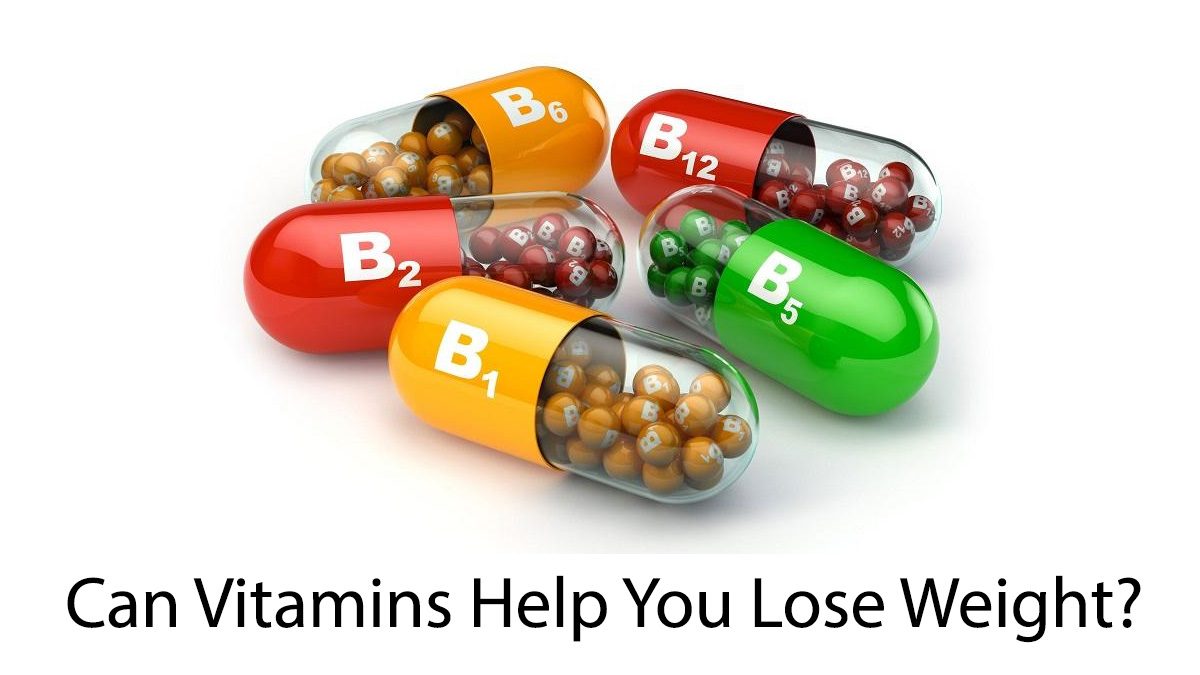
Your first move should be B6. There’s some clinical evidence suggesting that Vitamin B6 can help mitigate the effects of alcohol-induced nausea. But more importantly, you need to manage your physical environment.
- Fresh Air: It sounds like a cliché, but the cooling effect of fresh air helps lower your core body temperature, which often spikes right before you vomit.
- Cold Compress: Put a cold drink or a wet paper towel on the back of your neck. This stimulates the vagus nerve and can sometimes "reset" the nausea response.
- The Ginger Trick: Keep some real ginger ale (check the label for actual ginger root) or ginger candies nearby. Ginger contains gingerols and shogaols, which have been proven in various studies—including those for morning sickness and chemo-induced nausea—to help relax the intestinal tract.
Watch Out for the "Mixing" Fallacy
"Beer before liquor, never been sicker." It’s a catchy rhyme, but it’s mostly about the total volume of alcohol and the rate of consumption. If you start with beer, you’re hydrated and pacing yourself. If you switch to shots later, your inhibitions are down, and you’ll likely over-consume. The order doesn't magically create a chemical poison; the order just makes you more likely to drink way too much, way too fast.
Hydration is More Than Just Water
We all know we need to drink water. But just chugging a gallon of tap water while you're mid-nausea can actually make things worse by sloshing around in an irritated stomach.
You need electrolytes. When you drink, you’re losing sodium, potassium, and magnesium. This electrolyte imbalance contributes to that shaky, sick feeling. Reach for a Pedialyte, a Gatorade, or even a glass of water with a pinch of salt and a squeeze of lime. It’s about cellular hydration, not just filling your belly with liquid.
The Role of Medications
Be extremely careful here.
Do not take Tylenol (Acetaminophen). Your liver is already working overtime to process the acetaldehyde from the alcohol. Adding acetaminophen can lead to severe liver stress or damage.
NSAIDs like Advil (Ibuprofen) or Aspirin are also risky because they are notorious for irritating the stomach lining. If you’re already wondering how to not throw up while drinking, adding an NSAID is like throwing a match onto a gasoline-soaked rag. It might stop a headache later, but it will almost certainly make your stomach hurt now.
Nuance: Everyone’s "Limit" is a Moving Target
Your tolerance isn't a fixed number. It changes based on how much sleep you had, your stress levels, and even where you are in your menstrual cycle for women. Estrogen levels can affect how quickly alcohol is metabolized. If you're tired, your liver is less efficient. If you're stressed, your cortisol is up, and your stomach is already acidic.
Listen to your body, not your friends. If the thought of the next drink makes you slightly wince, that is your brain's area postrema sending a warning shot. Listen to it.
Actionable Steps for Your Next Night Out
To keep your stomach settled and avoid a "protein spill," follow this specific sequence. It’s not about being a "pro" drinker; it's about basic maintenance.
- The Two-Hour Window: Eat a meal containing healthy fats (like salmon or avocado) exactly two hours before your first drink. This ensures the food is in the stomach but not making you feel uncomfortably full.
- The Clear Rule: Stick to clear spirits mixed with non-carbonated liquids. Gin and juice or vodka and water are the safest paths for the stomach-conscious.
- The Sugar Guard: Avoid sugary "alcopops" or neon-colored cocktails. Sugar ferments and can lead to bloating and nausea faster than the alcohol itself.
- The Horizontal Rule: If you feel sick, do not lie flat. Elevate your head. Lying flat makes it easier for stomach acid to travel up the esophagus, which triggers the gag reflex.
- The Slow Sip: If you are thirsty, sip. Don't gulp. Gulping air along with water can cause gas and more pressure on your stomach lining.
Maintaining your composure while drinking is mostly about managing the rate of absorption and the acidity of your gut. If you control those two variables, you significantly lower the chance of your night ending over a toilet bowl. Stay hydrated, stay fed, and know when to call it a night.