You’ve probably seen that guy at the coffee shop. He’s tapping away on an iPad that looks like it survived a small war—cracked screen, thick bezels, and a home button that actually clicks. And yet, it works. He’s checking email, browsing the news, and seemingly ignoring the $1,000 M4 iPad Pro on the next table.
It makes you wonder.
When you drop several hundred dollars on a tablet, you aren't just buying a screen. You’re buying time. But how much time, exactly? If you ask Apple, they’ll give you technical specs about battery cycles. If you ask a hardcore gamer, they’ll say two years before it’s "trash."
The truth? How long does an iPad last depends entirely on your personal definition of "dead." For some, it’s when the battery won’t hold a charge for a flight. For others, it’s the day Netflix stops supporting the app version.
The Five-Year Rule (and the Seven-Year Itch)
Basically, if you bought an iPad today, you can expect it to be a "primary" device for about five years. This is the sweet spot. During this window, the processor handles everything smoothly, the battery stays healthy, and you get every shiny new iPadOS feature.
Around year six or seven, things get weird.
Apple is actually remarkably consistent with software support. Looking at the data for 2026, models like the iPad Air 3rd Gen and iPad Pro 11-inch (1st Gen) are technically "Vintage" by Apple’s standards, but they still run the latest iPadOS 26. That is an insane amount of longevity for a mobile device. Most Android tablets are lucky to see three years of major updates.
But just because it can run the software doesn't mean it should.
By year seven, you start hitting the "Software Wall." This isn't just about missing out on new emojis. It’s about security. Once your iPad stops receiving iPadOS updates, it usually gets about two more years of "security-only" patches. After that? You’re browsing on a ticking time bomb of unpatched vulnerabilities.
The Battery is the Only Real "Timer"
The hardware is solid. Aluminum and glass don't really rot. But the lithium-ion battery inside is a chemical soup that is slowly dying from the second you unbox it.
Apple rates iPad batteries to retain 80% of their original capacity after 1,000 full charge cycles.
Let’s do some quick math. If you charge your iPad from 0 to 100% every single day, you’ll hit that 80% mark in about 2.7 years. If you’re a casual user who charges it twice a week? You could theoretically go 9 years before the battery hits that "degraded" state.
Honestly, most people notice the decline around year four. You’ll find yourself tethered to a wall outlet or carrying a power bank.
Expert Tip: In 2026, an out-of-warranty battery replacement from Apple typically costs between $99 and $149 depending on the model. It is almost always worth it. Paying $119 to get three more years out of an iPad Air is a much smarter move than spending $600 on a new one.
Why Some iPads "Die" Faster Than Others
Not all iPads are created equal. The "pro" in iPad Pro actually buys you more than just a better screen; it buys you a longer runway.
- Pro Models (M1, M2, M4 chips): These have massive amounts of RAM (8GB to 16GB). Because iPadOS is generally efficient, these chips are severely overpowered. They won't feel "slow" for a long, long time.
- Base iPads (Standard 10th/11th Gen): These are the workhorses. They use older chips to keep the price down. They’ll likely lose software support 1-2 years earlier than their Pro cousins from the same year.
- The Storage Trap: This is what kills most iPads. A 64GB iPad in 2026 is a headache. System files and "Other" storage will eat half of that before you even download a movie. When your storage is full, the iPad can't "swap" memory effectively, making it feel sluggish and laggy.
Real World Lifespan: A Breakdown
If you use your iPad for intensive work (video editing in LumaFusion, 3D modeling, or heavy multitasking), expect 3 to 4 years before the hardware starts to feel like a bottleneck.
If you’re a casual user (Netflix, Kindle, some light emails, and recipes), your iPad will easily last 6 to 8 years.
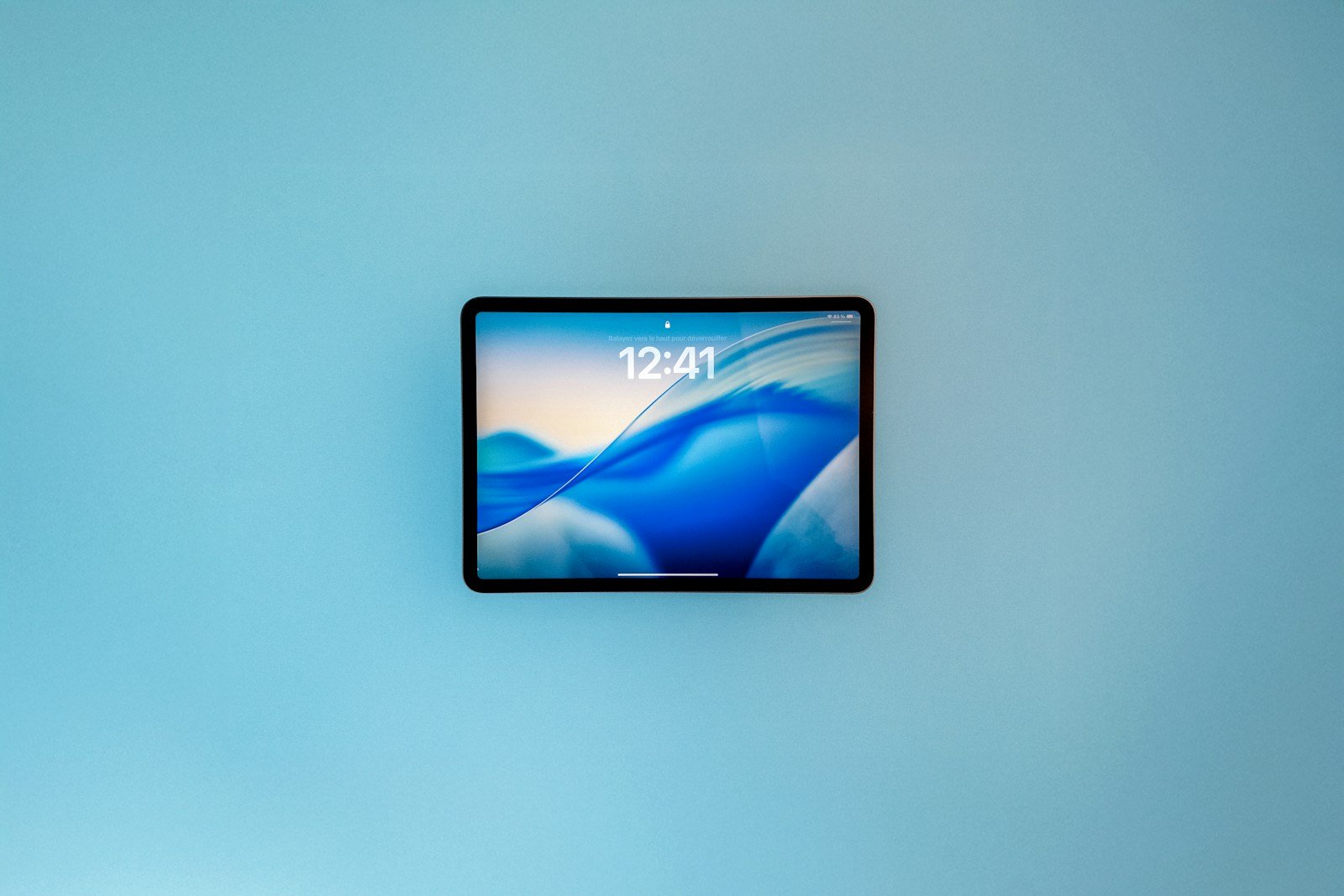
If it’s a dedicated device (a smart home controller mounted to a wall or a POS system for a business), it can last 10+ years or until the screen literally burns out.
Warning Signs That It's Actually Over
Don't ignore the omens. If your iPad is doing any of the following, it’s not just "old"—it’s failing:
- Ghost Touching: The screen starts clicking things on its own. This is usually a digitizer failure or a swollen battery pressing against the display.
- The App Refusal: You try to download a basic app like YouTube or Disney+, and the App Store says "Requires iPadOS 27 or later."
- Heat Spikes: If the back of the device gets hot just by opening a web browser, the processor is struggling to keep up with modern, unoptimized web code.
- Storage Death Spiral: You’ve deleted every photo, and it still says "Storage Full."
Making It Last Longer (The Expert Habits)
You can actually "cheat" the system and add a year or two to the lifespan if you're smart about it.
Stop fast-charging it every night. Heat is the enemy of the battery. If you don't need it charged in 30 minutes, use a slower 5W or 12W brick. Also, try to keep the battery between 20% and 80%. Deep discharges (letting it hit 0%) are stressful for the cells.
Keep your storage at least 20% empty. Your iPad uses that empty space as "virtual RAM." When it’s full, the whole system chokes.
The Actionable Bottom Line
If your iPad is less than 5 years old and feels slow, don't buy a new one yet. Try a "Reset All Settings" first. If the battery is the issue, go to an Apple Store and ask for a diagnostic.
However, if you are holding an iPad that can't run the current version of iPadOS (check Settings > General > Software Update), you are missing out on critical security patches. In that case, it’s time to trade it in while it still has some "Vintage" resale value and move to a model with an M-series chip.
The M-series transition was a milestone. Any iPad with an M1 chip or newer is likely to have the longest lifespan in the history of the product, potentially staying relevant well into the 2030s.
Next Steps for You:
- Check your battery health: If you have a Mac or PC, download iMazing or coconutBattery. They can read the "Cycle Count" and "Full Charge Capacity" of your iPad, which Apple hides in the standard settings menu.
- Look up your model on Apple’s Vintage and Obsolete list to see if official parts are still being manufactured for your specific version.
- If you're buying new, prioritize RAM and Storage over the fastest processor; they are what actually determine if the device feels "usable" in year six.