Everyone thinks they can boil an egg. It’s the first thing we learn. You put the egg in the water, you turn on the heat, and you wait. Simple, right? Except it isn’t. Most people end up with that nasty, sulfurous green ring around the yolk or shells that refuse to peel, clinging to the whites like they're bonded at a molecular level. If you’ve ever stood over a sink picking off tiny shards of calcium while losing half the egg white in the process, you know the frustration.
The truth is that hard boiled eggs recipes are actually about thermodynamics, not just cooking.
There is a weirdly heated debate in the culinary world between the "cold start" and the "hot start." J. Kenji López-Alt, the author of The Food Lab, basically did the lord's work by testing thousands of eggs to find the definitive answer. He found that dropping eggs into already boiling water makes them much easier to peel. Why? Because the sudden heat shock causes the egg whites to contract quickly, pulling away from the shell membrane. If you start them in cold water, they heat up slowly, and the proteins bond to the membrane. It's science. It’s also the difference between a beautiful snack and a mangled mess.
The Science of the Perfect Hard Boiled Egg
Let’s talk about the green ring. That’s not just "well-done." It’s ferrous sulfide. It happens when the iron in the yolk reacts with the sulfur in the whites. This usually occurs because of overcooking or high heat for too long.
If you want a creamy, gold-standard yolk, you have to control the temperature. You aren't just making food; you're managing a chemical reaction. Most people boil the life out of their eggs. 15 minutes? 20 minutes? You're basically making rubber at that point.
Honestly, the "boil" in hard boiled eggs is a bit of a misnomer. You want a simmer. A violent boil knocks the eggs against each other. They crack. The whites leak out like some sort of kitchen crime scene. Keep it gentle.
The Vinegar and Salt Myth
You’ve heard it before. "Add a teaspoon of vinegar to the water to make them peel better." Or "Salt the water so the shell doesn't crack."
Here is the reality: Vinegar doesn't help with peeling. It does, however, help the egg whites coagulate faster if the shell does crack, which keeps the "tail" of white from spreading all over the pot. Salt does virtually nothing for the egg inside the shell. It might raise the boiling point of the water by a fraction of a degree, but unless you're dumping a cup of salt in there, it’s just flavor for the water.
What actually matters is the age of the egg. Fresh eggs are a nightmare to peel. The pH level of a fresh egg white is lower, which makes it stick to the shell membrane like glue. As an egg ages, the pH rises, and that bond weakens. If you’re planning a big batch of deviled eggs for a party, buy your eggs a week in advance. Let them sit in the fridge. They’ll be much more cooperative when it's time to peel.
Hard Boiled Eggs Recipes: The Hot Start Method
This is the way.
First, get a pot of water boiling. You want enough water to cover the eggs by at least an inch. Don't just drop them in from the top of the pot—they’ll crack on the bottom. Use a slotted spoon to gently lower them into the bubbling water.
Once they’re in, turn the heat down to a simmer. You don't want them dancing. Set your timer. This is the crucial part.
- Six minutes: You get a "soft-boiled" egg. The white is set, but the yolk is liquid gold.
- Eight minutes: The yolk is jammy. It’s thick and custard-like. Perfect for toast.
- Ten minutes: The yolk is mostly solid but still a bit translucent in the very center.
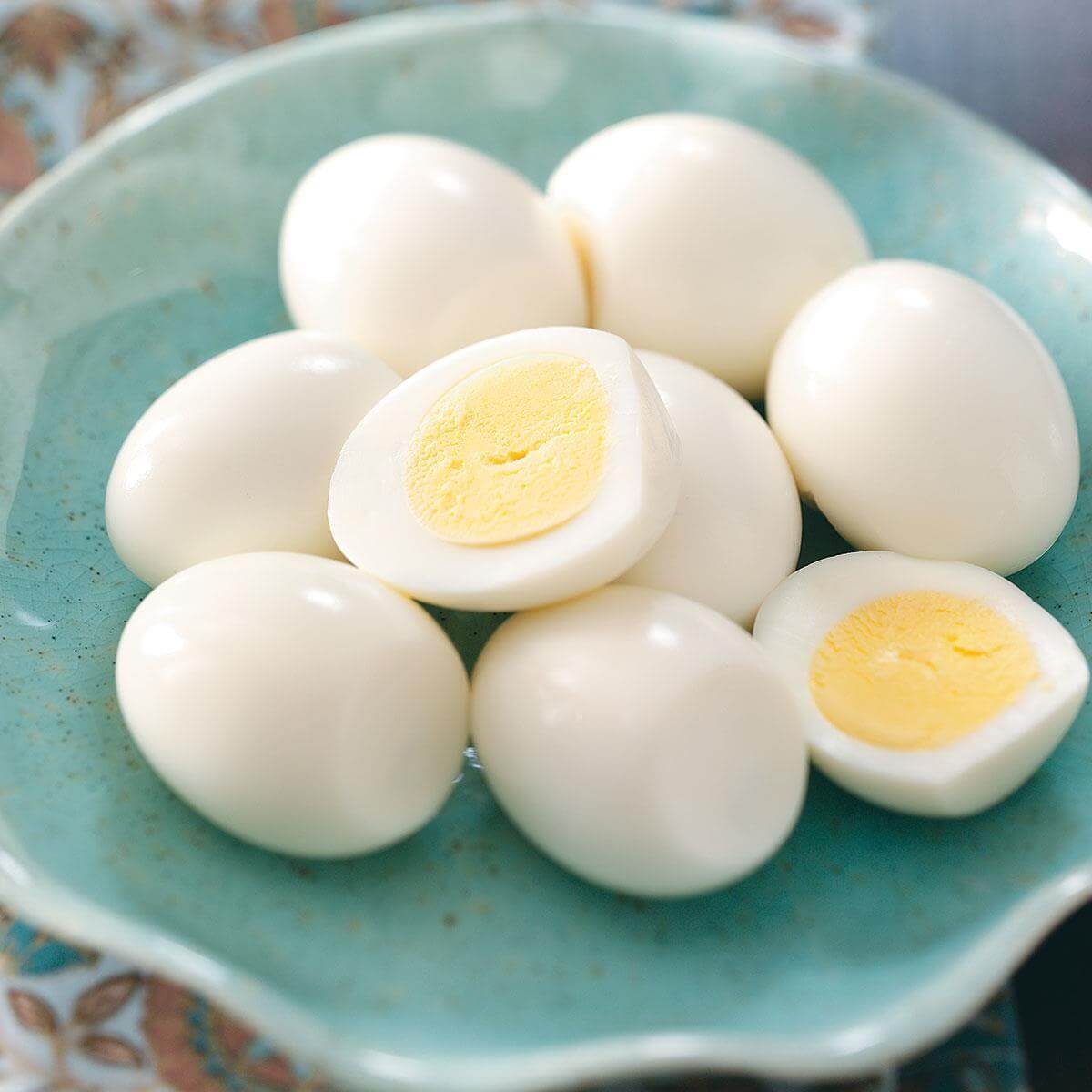
- Twelve minutes: This is the classic hard-boiled state. Fully opaque, pale yellow, but not dry.
While they cook, prepare an ice bath. This isn't optional. If you leave the eggs to cool on the counter, they keep cooking. The residual heat is enough to push a 12-minute egg into the "green ring" zone.
The ice bath shocks them. It stops the cooking process instantly. It also causes the egg to shrink slightly inside the shell, which—surprise, surprise—makes them easier to peel. Leave them in the ice for at least 15 minutes. If the center is still warm, the yolk won't be fully set.
Beyond the Pot: Steaming and Air Frying
Lately, people have been obsessed with steaming eggs. It’s actually a great alternative. Since steam is hotter than boiling water, it’s even faster at setting those proteins and making the shell easy to remove. You just put an inch of water in a pot, bring it to a boil, put the eggs in a steamer basket, and cover it. The timing is almost identical to boiling.
Then there’s the air fryer.
Look, just because you can doesn't mean you should. Air frying eggs is essentially baking them. The problem is that air fryers vary wildly in their actual temperature output. What takes 15 minutes at 270°F in one machine might take 12 minutes in another. Plus, you often get little brown spots on the whites where they touched the basket. It’s convenient if you don't want to wait for water to boil, but for the best texture, the stove is still king.
The Pressure Cooker (Instant Pot) 5-5-5 Rule
This is the darling of the meal-prep world.
- 5 minutes on high pressure.
- 5 minutes of natural release.
- 5 minutes in an ice bath.
It works. It's consistent. The high pressure seems to force the steam between the shell and the membrane, making them almost jump out of their skins. If you’re doing two dozen eggs at once, this is the only way to go.
Creative Ways to Use Your Eggs
Once you’ve mastered the technique, don't just sprinkle them with salt and call it a day.
Try marinated eggs, often called Ajitsuke Tamago in Japanese ramen shops. Even though those are usually soft-boiled, the same logic applies to hard-boiled ones. Soak your peeled eggs in a mixture of soy sauce, mirin, and a little sugar for a few hours. The outside turns a beautiful brown, and the flavor seeps into the whites.
Or go the Southern route with pickled eggs. Beets, vinegar, cloves, and sugar. They turn bright purple and have a tangy snap that cuts through the richness of the yolk.
Flavor Profiles to Try:
- Everything Bagel Seasoning: The crunch of the seeds and the saltiness of the dried garlic is a perfect match for a creamy yolk.
- Sriracha and Mayo: A deconstructed deviled egg. Just a dot of each on a halved egg.
- Mashed on Avocado Toast: Sliced hard-boiled eggs add a protein punch to your morning fats.
- Classic Egg Salad: Don't over-process it. Keep the chunks big. Use high-quality mayo (Duke’s or Hellmann’s, don't come at me with Miracle Whip) and a bit of Dijon mustard.
Common Mistakes and How to Avoid Them
The biggest mistake? Putting too many eggs in the pot. If you crowd them, the water temperature drops too fast when you add them, and they won't cook evenly. Work in batches if you have to.
Another one is peeling them while they're still warm. I know you're hungry. Just wait. A warm egg is a soft egg, and you’re much more likely to tear the whites.
And for the love of all things culinary, don't use the "rolling" method to peel them unless you're gentle. Crack the fat end of the egg first—that's where the air pocket is. Once you get under the membrane at the air pocket, the rest usually comes off in one or two big pieces. Peel them under a thin stream of running water if you're struggling; the water helps lubricate the space between the egg and the shell.
Why This Matters
Hard boiled eggs are the ultimate "fast food." They’re packed with choline, Vitamin D, and high-quality protein. For someone trying to eat better or just survive a busy work week, having a bowl of perfectly cooked eggs in the fridge is a game changer.
But a rubbery, stinky egg is a sad experience. You deserve better.
By understanding the relationship between temperature and protein structure, you move from being someone who "makes food" to someone who "cooks." It’s a small distinction, but you can taste the difference.
Actionable Steps for Your Next Batch:
- Check your inventory: Use eggs that have been in your fridge for at least 5-7 days for the easiest peeling.
- Boil first, then add: Don't start with cold water. Get that boil going, then lower the eggs in.
- The 12-minute limit: Don't go over 12 minutes unless you really like that chalky, green-yolk vibe.
- The Ice Bath is Law: Prepare it before the eggs are even done.
- Peel under water: If the shell is stubborn, let the faucet help you out.
Store your unpeeled eggs in a carton or a sealed container in the fridge. They’ll stay fresh for about a week. Once peeled, eat them within a day or two for the best texture. Now, go boil some water.