Show Low isn't the desert. If you drive up from Phoenix, your ears pop. They pop hard. By the time you hit the city limits, you’ve climbed thousands of vertical feet, leaving the saguaros behind for the scent of ponderosa pines. Most people look at a map and think Arizona is just one giant, dusty heatwave, but the elevation Show Low AZ offers is a complete physiological and ecological pivot.
It’s high. Specifically, you’re looking at an average of 6,345 feet above sea level.
That number matters more than you think. It dictates why your bag of potato chips is puffed up like a balloon at the local Safeway. It’s why you might feel a weird, nagging headache after your first night at a cabin. It is also the reason why the temperature is consistently 20 to 30 degrees cooler than the Valley of the Sun. You aren't just moving north; you are moving up into the clouds.
The Reality of 6,345 Feet
Elevation is the defining characteristic of the White Mountains. While the official "city" elevation is cited as 6,345, the terrain is actually quite rolling. You’ll find spots near the airport that sit a bit lower, while residential pockets tucked toward Pinetop-Lakeside start creeping toward the 7,000-foot mark.
Why does this specific height matter?
In the world of geography, 6,000+ feet puts you firmly in the "high altitude" category, though just barely. It’s the sweet spot. You aren't at the oxygen-deprived levels of Leadville, Colorado, but you are high enough that the barometric pressure is significantly lower than at sea level. According to data from the National Weather Service, the air pressure at this elevation is roughly 20% lower than at the coast.
Less pressure means fewer oxygen molecules per breath.
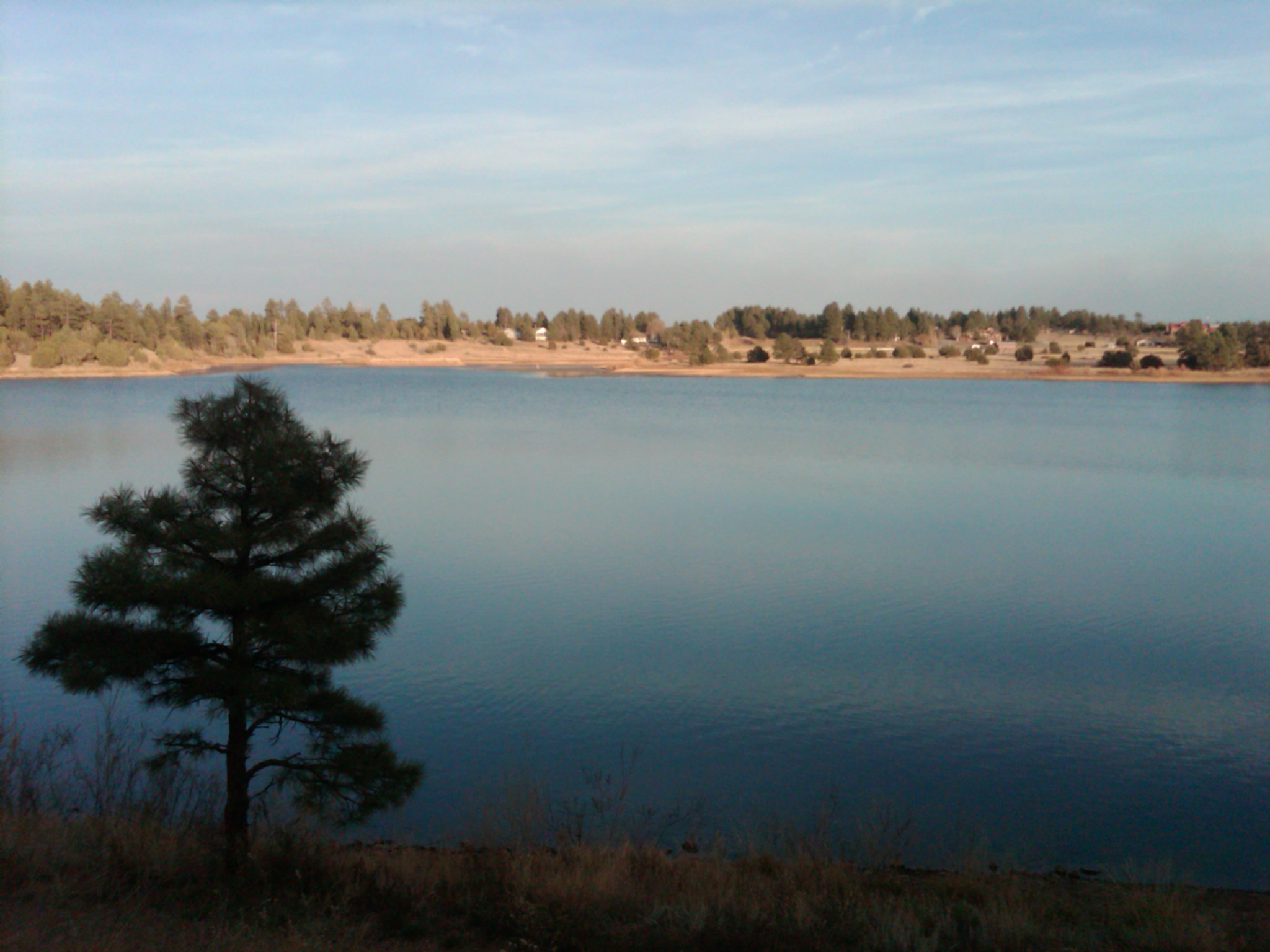
If you’re a flatlander, your heart has to work a little harder. Your lungs have to move a bit faster. It’s a subtle strain. Honestly, most people don't notice it until they try to go for a jog around Fool Hollow Lake or hike the Mogollon Rim. Then, suddenly, they’re huffing like they just ran a marathon.
The Climate Ripple Effect
The elevation Show Low AZ provides creates a literal "sky island" effect.
The Mogollon Rim acts as a giant ramp. When moist air from the south hits that 2,000-foot cliff face, it’s forced upward. This is called orographic lift. As the air rises, it cools, condenses, and dumps rain or snow right on top of Show Low. This is why the city sees about 15 to 20 inches of rain a year, plus a healthy dose of winter snow, while Phoenix stays bone-dry.
It’s a different world.
In July, when Phoenix is melting at 115°F, Show Low is usually sitting at a breezy 85°F. Nighttime is even better. Because the air is thinner and thinner air holds less heat, the temperature plummets as soon as the sun goes down. It’s common to see a 30-degree "diurnal shift." You’ll need a T-shirt at noon and a hoodie by 7:00 PM.
Plants and Wildlife You Won't See Down South
Because of the height, the biology changes. You leave the Sonoran Desert and enter the largest contiguous ponderosa pine forest in the world.
- Ponderosa Pines: These trees thrive between 6,000 and 8,000 feet. They love the drainage and the specific moisture levels found at Show Low's elevation.
- Gambel Oaks: Usually found mixing with the pines, providing that splash of orange and yellow in the fall.
- Elk: These aren't the scrawny deer you see in the foothills. Rocky Mountain Elk are massive, and they love the high-altitude meadows.
What No One Tells You About Moving to 6,000 Feet
If you’re planning to stay a while, or heaven forbid, buy a house, the elevation Show Low AZ presents some logistical quirks.
Baking is a nightmare.
Seriously. At 6,345 feet, water boils at roughly 201°F instead of the standard 212°F. Your pasta takes longer to cook. Your cakes will rise too fast because there’s less air pressure holding the bubbles down, and then they’ll collapse into a sad, sticky mess in the middle. You have to add more flour, reduce the sugar, and crank the oven temperature up. It’s a science experiment every time you want a brownie.
Then there’s the "Two-Drink Rule."
Alcohol hits different at high altitudes. Because you’re already slightly dehydrated and your oxygen levels are lower, one beer in Show Low feels like two beers in San Diego. If you’re visiting, take it slow. Hydrate like it’s your job. The local experts at Summit Healthcare Regional Medical Center frequently see tourists coming in with "mountain sickness" which is usually just a nasty combination of dehydration and the body struggling to adapt to the thin air.
The UV Factor
The sun is dangerous here.
For every 1,000 feet of elevation gain, UV radiation increases by about 10% to 12%. Do the math. In Show Low, you are getting roughly 60% to 70% more intense UV exposure than someone at the beach. You will burn in twenty minutes. You won't even feel it because the air is cool and breezy, but the next morning you’ll be the color of a boiled lobster. Wear the hat. Apply the sunscreen. Even in winter. Especially in winter, when the snow reflects those rays back up at your face.
Physical Performance and Training
Athletes actually flock to places like Show Low and nearby Flagstaff.
It’s called "Live High, Train Low" or sometimes just altitude conditioning. When you live at the elevation Show Low AZ offers, your body realizes it’s not getting enough oxygen. In response, your kidneys produce a hormone called erythropoietin (EPO), which tells your bone marrow to churn out more red blood cells.
More red blood cells = more oxygen-carrying capacity.
After about two or three weeks of living at this height, your blood is literally "thicker" with oxygen-movers. When you go back down to sea level, you feel like a superhero. Your endurance through the roof. Local high school athletes often have a distinct cardiovascular advantage when they travel to "down-the-mountain" games. They simply don't get tired as fast as the kids living in the thick, heavy air of the valley.
Misconceptions About the High Country
A lot of people think that because Show Low is at 6,345 feet, it’s "alpine."
Not quite.
True alpine zones usually start around 9,000 or 10,000 feet, like the top of the San Francisco Peaks or parts of the White Mountains further east toward Greer. Show Low is technically in the Montane Coniferous Forest zone. You get the trees and the cold, but you don't get the tundra.
Another myth is that it’s always snowing.
While the elevation ensures cold winters, Show Low is actually quite sunny. It boasts over 270 days of sunshine a year. The snow usually hits, looks beautiful for a day or two, and then melts off the roads thanks to that intense high-altitude sun. It’s manageable. It’s not the endless gray slush you find in the Midwest.
Real-World Impacts on Home Maintenance
If you own property here, the elevation eats your house.
The combination of intense UV rays and extreme temperature swings causes wood to warp and paint to peel faster than almost anywhere else. If you have a deck, you’re staining it every two years. If you have plastic lawn chairs, the sun will turn them brittle and snap them in half within three seasons. This is the trade-off for those 75-degree July afternoons.
Practical Steps for Visiting or Moving to Show Low
If you're heading up the hill, don't just wing it. The elevation Show Low AZ demands a bit of respect if you want to actually enjoy your time without a migraine.
- Hydrate 48 hours in advance. Don't start drinking water when you get there. Start two days before you leave. Your blood volume needs to be up to handle the shift.
- Adjust your SPF. Use at least 50 SPF and reapply. Don't forget your ears and the underside of your nose.
- Check your tires. As you climb 5,000+ feet in elevation, the pressure inside your tires changes. If you filled them to the max in the heat of Phoenix, they might be over-inflated by the time you hit the pines.
- Listen to your heart. If you feel palpitations or extreme shortness of breath, sit down. It takes the average human body about 4 to 7 days to fully chemically adapt to a 6,000-foot jump.
- Bake with "High Altitude" instructions. Most flour brands (like King Arthur) have specific charts on their websites for 6,000 feet. Use them or your bread won't rise.
Show Low is a geographical anomaly in a state known for its heat. It’s a place where the air smells like sap and the sky is a deeper shade of blue because there's less atmosphere between you and space. Respect the height, drink your water, and enjoy the fact that you can finally turn off the air conditioner.
Actionable Insight: Before your trip, buy a pack of electrolyte tablets. Adding these to your water for the first three days in Show Low can almost entirely negate the "altitude fog" and headaches that plague many visitors. If you are moving permanently, wait at least three months before starting a heavy new cardio regime; your heart needs that time to structurally adjust to the increased red blood cell count.