You've likely seen it on the red carpet or your favorite influencer’s feed—that impossibly creamy platinum blonde, or maybe a vibrant, electric blue that seems to glow from within. It looks expensive. It looks deliberate. And honestly, it probably wasn't achieved with a single bottle of dye. If you’ve ever walked into a salon asking for a massive transformation, your stylist likely mentioned double process hair color.
But what does that actually mean for your hair, your wallet, and the three hours you're about to spend in that chair?
Basically, it's exactly what the name implies. Two steps. Two separate chemical applications. It’s the "heavy lifting" of the hair world. While a single process involves applying one color to your head and washing it off, a double process is a whole different beast. It’s the difference between painting a wall and stripping the old wallpaper, priming the surface, and then applying the custom pigment.
The Mechanics of the Lift and Tone
Most people think of a double process hair color as just "going blonde." That’s a huge part of it, sure. But the technical reality is more nuanced.
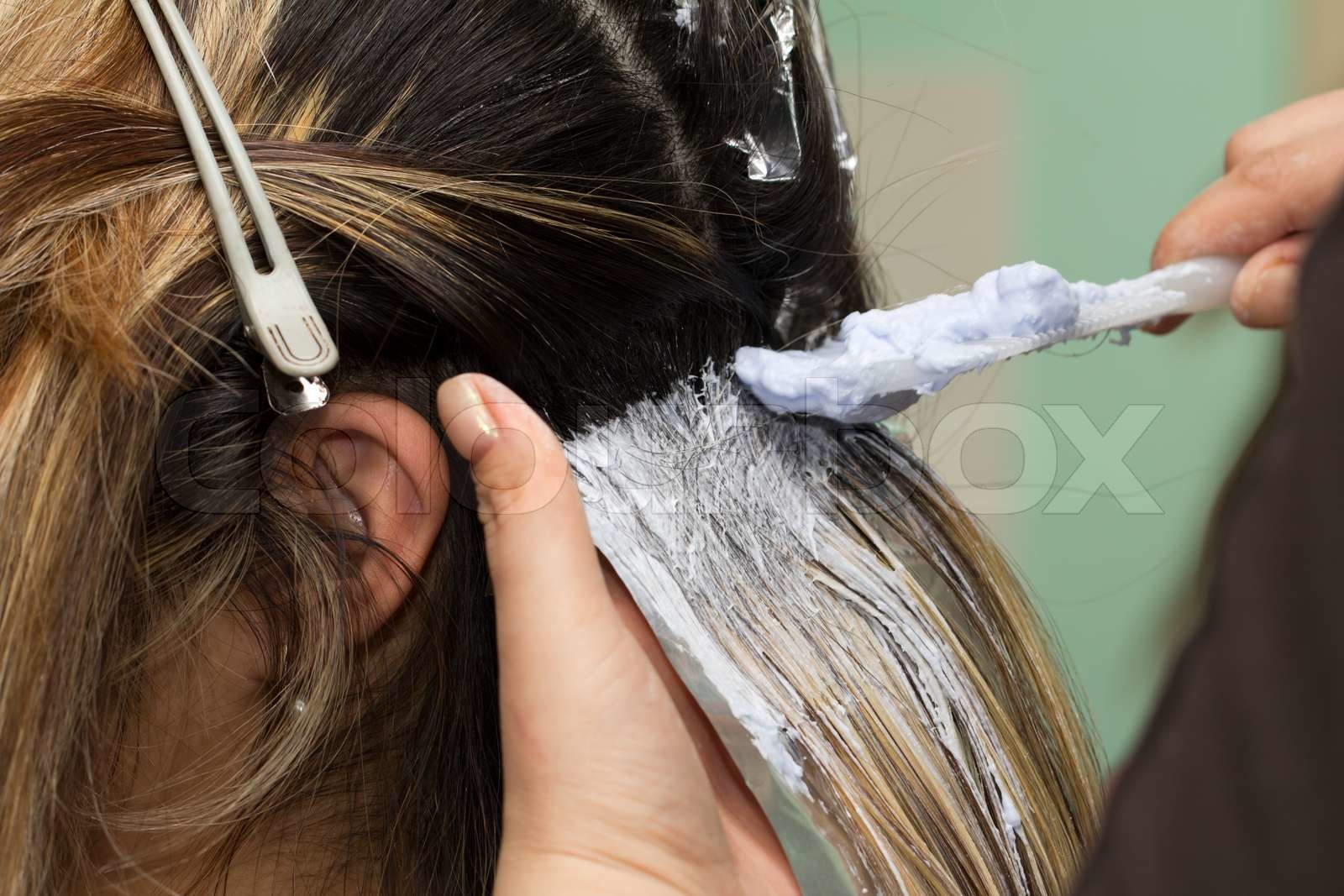
The first step is almost always decolonization. We’re talking about lightener—what most of us call bleach. This step strips the natural (or artificial) pigment from your hair strands. Why? Because you can’t paint a bright yellow over a dark brown and expect it to show up. You have to create a blank canvas. This initial stage takes the hair through various "stages of lift," moving from dark brown to red, then orange, then yellow, and finally, that pale, "inside of a banana peel" yellow.
The second step is where the magic happens. Once the hair is lightened, it’s usually quite raw and, frankly, kind of an ugly shade of brass. This is where the "process" part hits its second phase: the toner or gloss.
This second application deposits the actual tone you want. It neutralizes the warmth, adds shine, and seals the cuticle. If you want silver, your stylist uses a violet-based toner. If you want a buttery champagne, they’ll mix something warmer. Without this second step, you don't have a finished look; you just have raw, lightened hair.
Why You Can't Always Skip the Second Step
There is a common misconception that if you just leave the bleach on longer, you won't need a second process. That’s a recipe for disaster.
Hair can only handle so much. If you try to reach a specific "white" shade using only high-volume developer and lightener, you risk "chemical haircut" territory. This is where the hair literally snaps off because the protein bonds have been obliterated. Expert colorists like Tracey Cunningham, who works with A-listers like Khloé Kardashian, emphasize that the integrity of the hair is the priority. A double process allows the stylist to lift the hair to a safe level and then use a non-damaging, acidic toner to reach the final goal.
Is it only for blondes?
Nope.
Think about those "fantasy colors." If you have dark hair and you want to go pastel pink or neon green, you are a prime candidate for a double process hair color. You have to get the hair light enough for the pink to even be visible. Even some high-end "dimensional" brunettes require a double process if the goal is to lift a dark base and then deposit a very specific, cool-toned ash brown that wouldn't be possible with a single-step permanent dye.
It's also a standard for "gray coverage plus." Some clients need their roots covered (step one) and then a global gloss or highlights (step two) to ensure the ends don't look dull or "inky."
The Reality of the Salon Chair: Time and Money
Let’s be real for a second. This is a commitment.
A single process root touch-up might take 90 minutes. A full double process hair color? You’re looking at three to six hours depending on your hair's starting point and density. You are paying for the stylist’s time, their expertise in chemistry, and a massive amount of product.
Prices vary wildly based on geography and the stylist's experience. In a city like New York or Los Angeles, you could easily drop $400 to $800 on a double process. In smaller markets, it might be $200 to $350. But remember, you aren't just paying for the color. You're paying for the insurance that your hair won't fall out in the shower the next morning.
Maintenance is the "Third Process"
Once you leave the salon, the clock starts ticking.
Toner is semi-permanent. It fades. Every time you wash your hair with hot water or use a harsh shampoo, those tiny pigment molecules from the second step of your double process hair color are slipping away. After about 4 to 6 weeks, you’ll likely notice the brassiness returning.
To keep it looking fresh, you’ll need:
- Sulfate-free shampoos: Specifically designed for color-treated hair.
- Purple or Blue shampoo: To counteract yellow or orange tones at home.
- Bond builders: Products like Olaplex No. 3 or K18 to repair the disulfide bonds broken during the bleaching phase.
- Cold water rinses: It’s annoying, but it keeps the cuticle closed.
Honestly, if you aren't prepared to buy the high-end aftercare, don't get the double process. It's like buying a Ferrari and putting the cheapest gas in it—it just won't perform.
Risks and When to Say No
Not everyone is a candidate for this. If your hair is already compromised—maybe you’ve been doing DIY box dyes for years or you’ve had a previous chemical relaxing treatment—a double process might be the final straw.
A responsible stylist will perform a strand test. They take a tiny, hidden piece of hair and apply the lightener to see how it reacts. If the hair turns "gummy" or doesn't lift, they’ll tell you no. Trust them. It’s better to have dark hair that stays on your head than blonde hair that ends up in the drain.
Also, consider your scalp. Double processing usually involves "on-scalp" lightener for the first step. This can tingle, itch, or even slightly burn. If you have a sensitive scalp or psoriasis, you need to tell your colorist before they start mixing the bowls.
Essential Steps Before Your Appointment
If you've decided to go for it, don't just show up and hope for the best.
- Stop washing your hair 48 hours before. The natural oils on your scalp act as a protective barrier against the lightener.
- Bring realistic photos. "Platinum" means something different to everyone. Show your stylist exactly what tone you're aiming for.
- Disclose your history. Be honest about that "semi-permanent" box dye you used six months ago. It’s still in the hair shaft, and it will affect the lift.
- Deep condition a week prior. Get the moisture levels up before the chemicals strip them away.
A double process hair color is the gold standard for dramatic transformation. It’s a complex dance of chemistry that, when done correctly, produces results that a single bottle of dye simply cannot touch. It requires patience, a healthy budget, and a dedicated maintenance routine, but for that perfect, clear-toned result, most find it’s worth every second in the chair.
Actionable Next Steps:
- Schedule a consultation first: Never book a double process as a "blind" appointment; let the stylist see your hair dry and in natural light first.
- Budget for the "Extra" costs: Factor in an additional 20% for the specific shampoos and masks you'll need to maintain the integrity of the lightened strands.
- Check the weather: If you're going for a double process in the summer, invest in a UV protectant spray for your hair, as sun exposure will oxidize your toner faster than anything else.