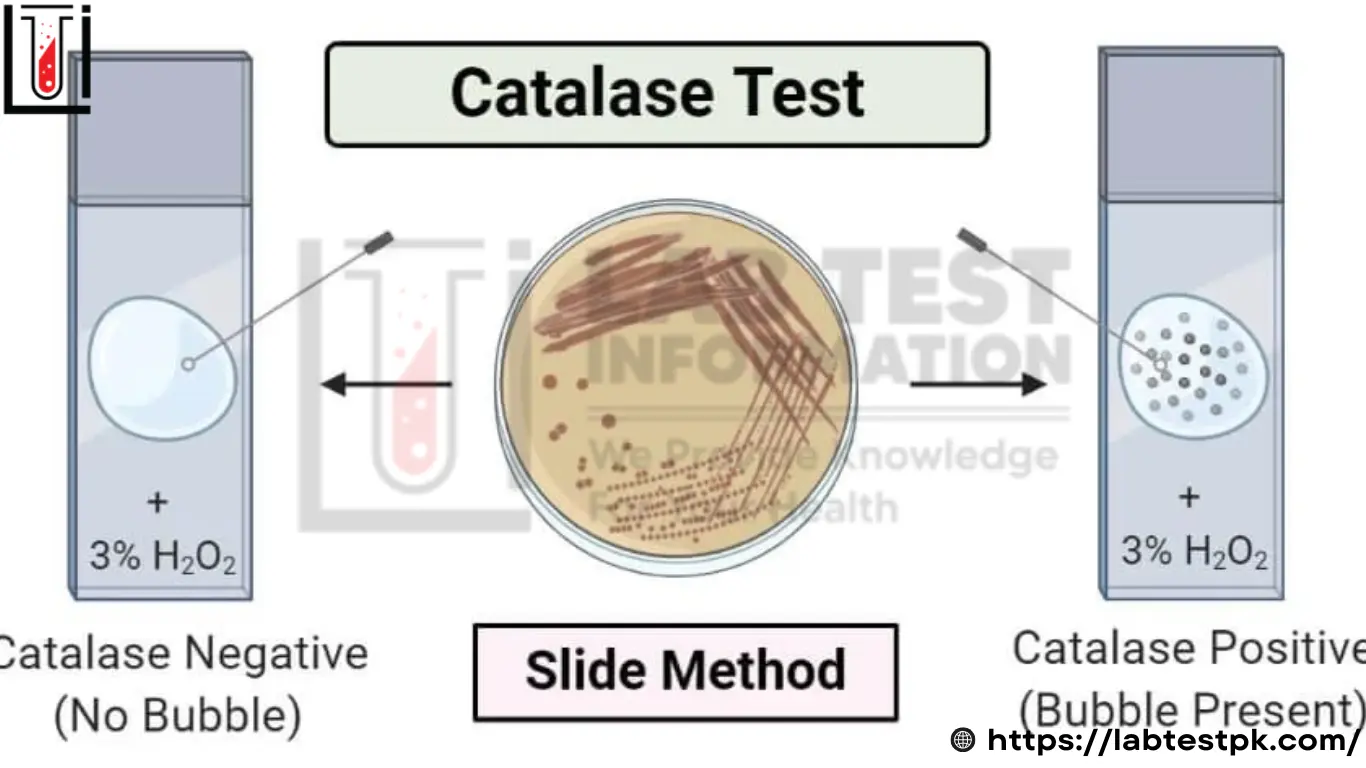
Ever poured hydrogen peroxide on a scraped knee and watched it fizz like a science experiment? That’s not the liquid "killing germs"—at least, not exactly. It’s actually catalase, a tiny, hyper-efficient protein in your body, screaming into action.
Honestly, we don't give enzymes enough credit. Catalase is basically your cellular hazmat crew. It takes something incredibly toxic to your DNA and turns it into life-sustaining water and oxygen. And it does it faster than almost any other enzyme known to man.
But there’s a lot of weird misinformation floating around. You’ve probably seen "anti-gray hair" pills at the drug store claiming to boost your catalase levels. Or maybe you've heard it’s the secret to living until you’re 150. Let’s sort the actual biology from the marketing fluff.
What Does Catalase Do? (The Quick Version)
At its core, catalase is a decomposing machine. It has one primary job: find hydrogen peroxide ($H_2O_2$) and rip it apart before it can wreak havoc.
In the human body, your cells are constantly doing work—burning fuel, creating energy, and fighting off invaders. A byproduct of this work is hydrogen peroxide. While we use it to clean cuts, inside a cell, $H_2O_2$ is a loose cannon. It’s a "reactive oxygen species" (ROS) that can cause oxidative stress. If it hangs around, it starts snatching electrons from your proteins and DNA, leading to cellular "rust."
The 40 Million Molecule Miracle
Catalase doesn't just work; it sprints. A single molecule of this enzyme can decompose roughly 40 million molecules of hydrogen peroxide every single second.
If you tried to do that manually, you'd be there for several lifetimes. Without catalase, your cells would literally pickle themselves in their own metabolic waste.
Where This Enzyme Hides in Your Body
You won’t find catalase evenly spread out like butter on toast. It’s concentrated in specific "power centers" where toxic waste is highest.
- The Liver: This is the big one. Your liver is the body’s ultimate filter, so it’s packed with catalase to handle the chemical byproducts of detoxification.
- Red Blood Cells: These cells carry oxygen, which is a high-stakes job that creates plenty of oxidative risk. Catalase keeps them from breaking down prematurely.
- Kidneys: Similar to the liver, the kidneys deal with high metabolic turnover and need constant protection.
- Peroxisomes: If you look inside a single cell, catalase is mostly tucked away in tiny sacs called peroxisomes. These are like the cell's specialized "recycling bins" where dangerous chemicals are safely processed.
The "Gray Hair" Connection: Fact vs. Fiction
This is where things get kinda messy. There’s a popular theory—backed by some legitimate research—that we go gray because our catalase levels drop as we age.
The idea is that without enough catalase to mop it up, hydrogen peroxide builds up in the hair follicle. This "bleaches" the hair from the inside out by blocking melanin (your natural pigment).
The Scientific Reality:
While it’s true that graying hair follicles often show lower catalase activity and higher $H_2O_2$ levels, it isn't the only reason you're turning silver. Genetics, stress, and other enzymes like MSR A and B play massive roles too.
Does taking a catalase supplement work?
Probably not. Most experts, like those at Verywell Health, point out that catalase is a protein. When you swallow it, your stomach acid and digestive enzymes usually break it down into basic amino acids before it ever reaches your hair. It’s like trying to fix a broken window by throwing a pile of glass shards at your house—it doesn’t just "re-assemble" where you need it.
Why Catalase Still Matters in 2026
We're seeing a massive spike in research regarding catalase and longevity. Because oxidative stress is a primary driver of aging and chronic diseases—think Alzheimer's, Parkinson's, and diabetes—scientists are looking for ways to support our natural enzyme production.
For example, a study published in MDPI highlighted how catalase helps protect pancreatic $\beta$-cells. These are the cells that make insulin. When they get overwhelmed by oxidative stress, they stop working, which can lead to Type 2 diabetes. Catalase is the shield that keeps those cells alive under pressure.
Is It Only in Humans?
Nope. Catalase is everywhere. It’s in plants (that’s why a potato fizzes if you put peroxide on it), it's in bacteria, and it's in almost every animal that breathes oxygen. If an organism uses oxygen to make energy, it almost certainly has catalase to handle the fallout.
How to Support Your Body's Natural Defense
You can't really "hack" your catalase levels with a magic pill, but you can support the environment it works in.
- Iron and Manganese: Catalase is a "heme" enzyme, meaning it requires iron to function. Chronic iron deficiency doesn't just make you tired; it can actually cripple your antioxidant defenses.
- Watch the UV Exposure: While catalase helps protect skin cells from UV damage, excessive radiation can actually deplete the enzyme's reserves in the skin.
- Eat Your Greens (and Liver): Foods rich in antioxidants don't replace catalase, but they "lighten the load." If other antioxidants (like Vitamin C or E) are doing their job, catalase isn't spread so thin.
- Manage Metabolic Stress: High blood sugar creates an environment of constant oxidative stress. By keeping your glucose levels stable, you're essentially giving your catalase crew a much-needed break.
The Bottom Line
Catalase isn't just a boring science term. It’s a high-speed, life-preserving machine that prevents you from quite literally oxidizing from the inside out. While you shouldn't waste your money on "anti-gray" supplements that claim to be a fountain of youth, you should respect the incredible work your liver and blood cells are doing every second.
Next Steps for Your Health
If you're worried about oxidative stress or premature aging, don't look for a single enzyme supplement. Instead, focus on a Full-Spectrum Antioxidant Strategy. This means getting a blood panel to check your iron and ferritin levels, as catalase literally cannot function without an iron core. Additionally, prioritize "sulforaphane-rich" foods like broccoli sprouts, which have been shown to trigger the Nrf2 pathway—your body's internal "on switch" for producing more of its own protective enzymes like catalase.